
What is Surveillance Pricing?
The New York City Council recently passed a bill to ban surveillance pricing, a practice in which businesses use personal data to determine what consumers pay.
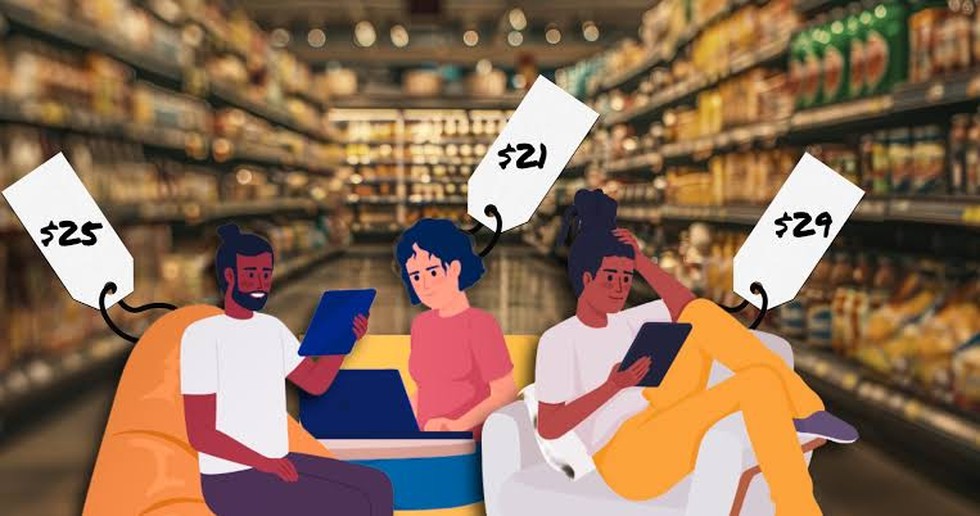
About Surveillance Pricing:
- It is the practice of collecting personal information about consumers and charging different prices to individual (or groups of) consumers for the same goods or services.
- Businesses can use algorithms to analyse information about an individual and estimate how much they might be willing to pay.
- This can result in consumers shopping for the same exact product paying vastly different prices.
- It often involves the use of data analytics, artificial intelligence, and machine learning algorithms to personalize prices based on a variety of factors.
- These factors may include their location, income, browsing history, previous purchases, demographic characteristics, and online shopping behaviour.
- Key Features:
- Data-Driven: Relies on extensive data collection—clicks, time spent on page, demographics, etc.
- Dynamic: Prices can change frequently, even minute-to-minute, based on live signals.
- Personalized: Different users may see different prices for the same product or service.
- Algorithmic: Driven by machine learning models that continuously learn from new data
- Surveillance pricing is different from dynamic pricing: while airlines and ride-hailing platforms commonly adjust prices in response to demand, availability, and other market conditions, surveillance pricing relies on customer-specific information to determine what they are charged.
- Example:
○ E-commerce: A customer in a wealthier zip code might see higher prices than one in a lower-income area. - Surveillance pricing is only possible if the merchant has your data. This is gathered via multiple channels, including:
- Cookies and device and browser fingerprinting
- Mobile apps that access location or device data
- Loyalty cards and programs that log your past purchases
- Social media activity
- Search behavior (especially when you’re logged into accounts).
- For example, if you sign in to Amazon and browse a particular product multiple times without buying, Amazon might infer high interest and raise the price slightly the next time you look for it.
Source: What is surveillance pricing, and why does New York want to ban it?