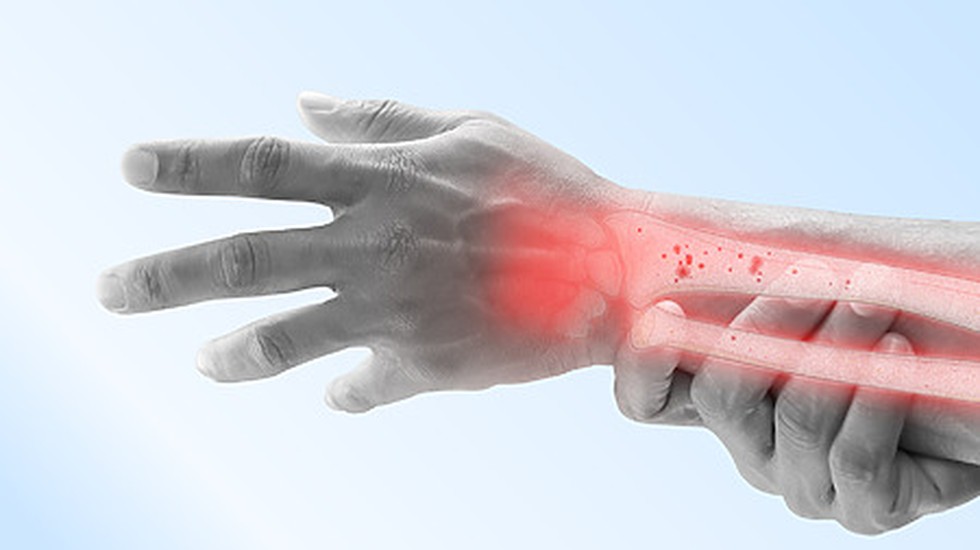
Osteoporosis is commonly associated with aging and postmenopausal women, but bone-health concerns are increasingly being noticed among younger adults in clinical practice.
About Osteoporosis:
It is a disease in which the bones become weak and are likely to fracture (break).
Osteoporosis means “porous bone.” Viewed under a microscope, a healthy bone looks like a honeycomb.When osteoporosis occurs, the holes and spaces in the honeycomb are much larger than in healthy bone.
Osteoporotic bones have lost density or mass and contain abnormal tissue structure. As bones become less dense, they weaken and are more likely to break (bone fractures).
Fractures can occur in any bone but happen most often in bones of the hip, vertebrae in the spine, and wrist.
What Causes Osteoporosis?
Bones are made of living tissue. To keep them strong, the body breaks down old bone and replaces it with new bone.
Osteoporosis develops when more bone is broken down than replaced.
You lose bone mass, and changes happen in the structure of the bone tissue. This can happen as you get older.
Some of the common risk factors for developing osteoporosis include:
Are female
Over the age of 50
Are of white or Asian descent
Have a family history of osteoporosis
Have low body weight
Have low levels of sex hormones (low estrogen in women, low testosterone in men)
Have too much thyroid hormone (hyperthyroidism)
Are chronically on certain medications such as steroids
Symptoms:
It is called a “silent” disease because it doesn’t usually cause symptoms.
Although most people are not aware that they may have osteoporosis until they experience a fracture, there are some signs and symptoms that you may experience in later stages of the condition. They include:
Back pain (in the presence of vertebral compression fracture)
Loss of height over time (this will be gradual)
A stooped posture
Low-impact bone fracture
Treatment: Treatment for osteoporosis may involve:
Making lifestyle changes, such as changing the diet and exercise routine
Dear Student,
You have still not entered your mailing address. Please enter the address where all the study materials will be sent to you. (If applicable).