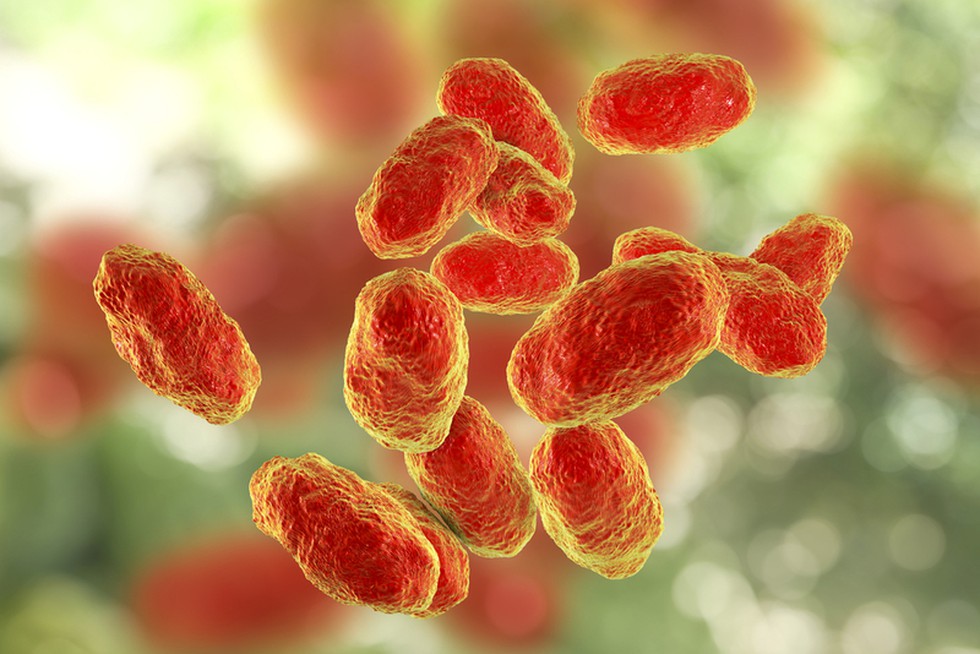
Hib, a once-controlled but deadly bacterial infection, is resurging in the US as childhood vaccination rates decline.
About Hib Disease:
It is a serious illness caused by the bacteria Haemophilus influenzae type b.
Babies and children younger than 5 years old are most at risk for Hib disease, but it can also affect adults with certain medical conditions.
Hib bacteria can cause mild illness, such as ear infections or bronchitis, or severe illness, such as infections of the bloodstream, joints, and the linings of the brain and spinal cord.
Contrary to what the name Haemophilus influenzae suggests, the bacterium does not cause influenza.
Transmission: Hib is spread through respiratory droplets, mostly coughing and sneezing, and through lengthy contact with an infected person.
Symptoms:
influenzae can cause many different types of infections.
Symptoms depend on the part of the body that's infected.
Serious infections can result in long-term health problems and death.
Prevention and Treatment:
Treatment usually includes the use of antibiotics to fight the infection. However, influenzae can be resistant to antibiotics.
Depending on the severity of your condition, you may need additional treatment in the hospital.
An effective vaccine against Haemophilus influenzae type b is available.
Dear Student,
You have still not entered your mailing address. Please enter the address where all the study materials will be sent to you. (If applicable).