About Microbacterium pollutisoli:
- It is a new species of bacteria discovered in toxic soil of a banned pesticide Hexachlorocyclohexane in Uttar Pradesh.
- It is named by combining the Latin words pollutus, meaning "contaminated," and solum, meaning "soil." Together, the name literally translates to "the Microbacterium of polluted soil."
- Characteristics:
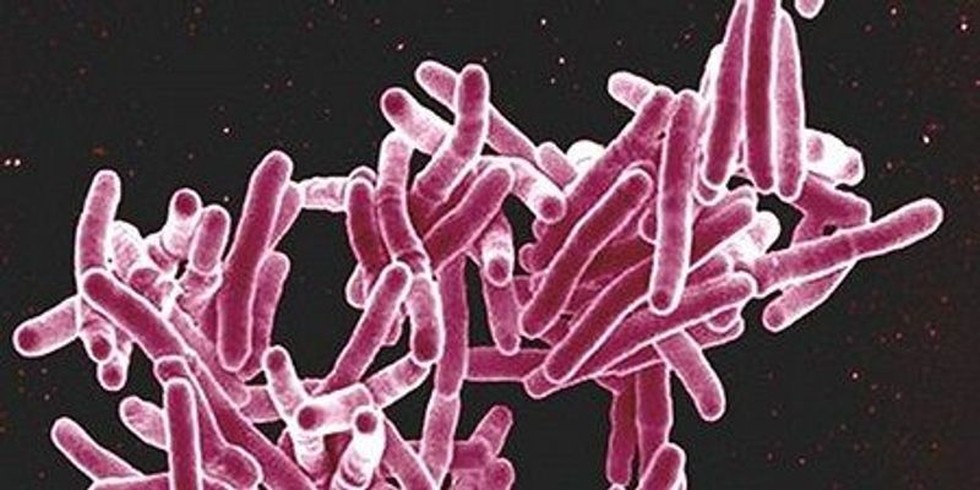
- It forms shiny, yellow circular colonies and is shaped like a short rod.
- It is capable of growing in temperatures ranging from 12°C to 46°C and surviving in highly alkaline conditions.
- Its genome revealed biosynthetic gene clusters.
- These are sets of instructions in their DNA that allow the bacteria to produce valuable compounds like carotenoids (natural pigments used in vitamins), ectoine (a substance that protects cells from stress), and beta-lactones (chemicals often studied for their ability to fight bacteria or even cancer cells.