Recently, the World Health Organization announced that it had given prequalification approval to a malaria treatment for newborns and infants for the first time.
About Malaria:
Malaria is a life-threatening febrile illness caused by Plasmodium parasites.
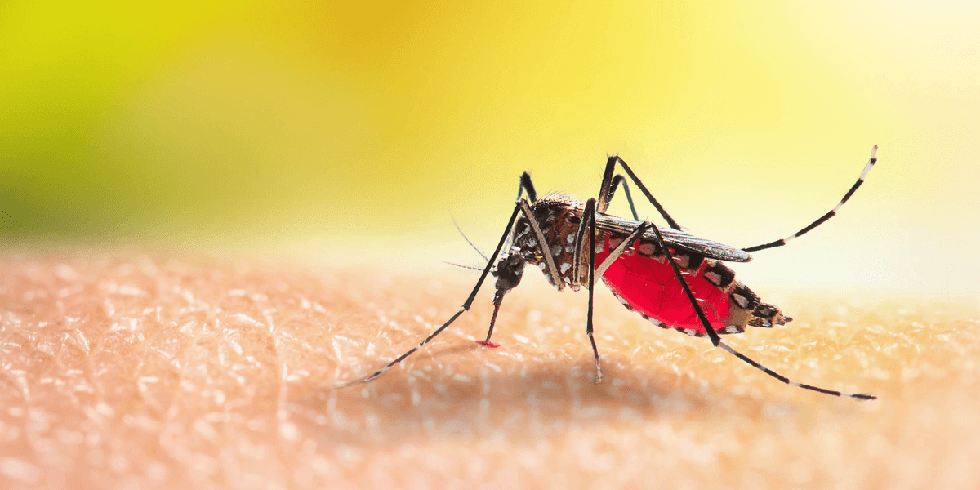
Transmission: It is transmitted through the bites of infected female Anopheles mosquitoes.
It is not contagious, but can be spread through infected blood or contaminated needles.
Risk: Infants, children under 5 years, pregnant women and girls, travellers and people with HIV or AIDS are at higher risk of severe infection.
Symptoms
Symptoms appear 10–15 days after infection and include fever, chills, and headache.
Severe symptoms can include seizures, difficulty breathing, jaundice, dark urine, and death if untreated.
Prevention and Treatment
Prevention includes vector control, use of mosquito nets, repellents (DEET, IR3535, Icaridin), long-sleeved clothing, and chemoprophylaxis for travellers.
Early diagnosis and treatment using microscopy or rapid diagnostic tests (RDTs) are critical.
Treatments include:
ACTs (Artemisinin-based Combination Therapies) for P. falciparum.
Chloroquine for P. vivax
Primaquine to prevent relapses in P. vivax and P. ovale infections.
Dear Student,
You have still not entered your mailing address. Please enter the address where all the study materials will be sent to you. (If applicable).