
Konda Reddi Tribe
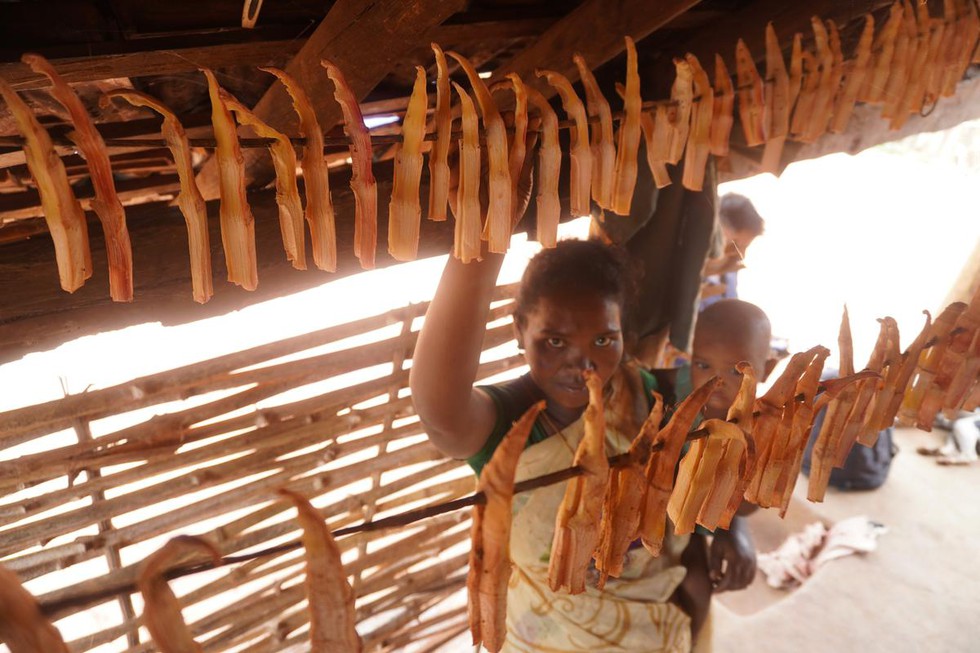
The indigenous knowledge of the Konda Reddi tribe, a Particularly Vulnerable Tribal Group inhabiting the Papikonda hill range in the Godavari region, has proven resourceful.
About Konda Reddi Tribe:
- Konda Reddis is a Particularly Vulnerable Tribal Group inhabiting the banks of the river Godavari and also in the hilly forest tracts of Godavari and Khammam districts of Andhra Pradesh.
- Their mother tongue is Telugu, with a unique accent.
- Subdivisions:
- The Konda Reddy tribe is divided into exogamous septs for regulating matrimonial relations.
- Like other Telugu-speaking people, their surnames are prefixed to individual names.
- Generally, each sept is exogamous, but certain septs are considered as brother septs and marriage alliances with brother septs (agnate relations) are prohibited.
- Family and Marriage:
- The family is patriarchal and patrilocal. Monogamy is a rule, but polygamous families are also found.
- Marriage by negotiations, by love and elopement, by service, by capture and by exchange are socially accepted ways of acquiring mates.
- Religion: The primary religion practiced by the Konda Reddi is Folk Hinduism, characterized by local traditions and cults of local deities worshiped at the community level.
- Political Organization:
- They have their own institution of social control called ‘Kula Panchayat’.
- Each village has a traditional headman called ‘Pedda Kapu’.
- The office of the headman is hereditary, and the headman is also the Pujari (priest) of the village deities.
- Livelihood:
- They are primarily shifting cultivators and largely depend on flora and fauna of forest for their livelihood.
- They collect and sell non timber forest produce like tamarind, adda leaves, myrobolan, broom sticks, etc., to supplement their meagre income.
- They cultivate largely jowar, which is their staple food.
Source: Konda Reddi tribe’s indigenous knowledge of Indian laurel tree proves resourceful