Higher levels of vitamin A were significantly associated with better lung function in children and adults with asthma.
About Vitamin A:
It is a fat-soluble vitamin primarily stored in the liver.
Although vitamin A is often considered a single nutrient, it is actually a group of fat-soluble compounds, including retinol, retinal, and retinyl esters.
There are two types of vitamin A that are found in the diet.
Preformed vitamin A is found in animal products such as meat, fish, poultry, and dairy foods.
Precursors to vitamin A, also known as provitamin A, are found in plant-based foods such as fruits and vegetables. The most common type of provitamin A is beta-carotene.
In order to use these two types of vitamin A, the body must convert them into the active forms of the vitamin, retinal and retinoic acid.
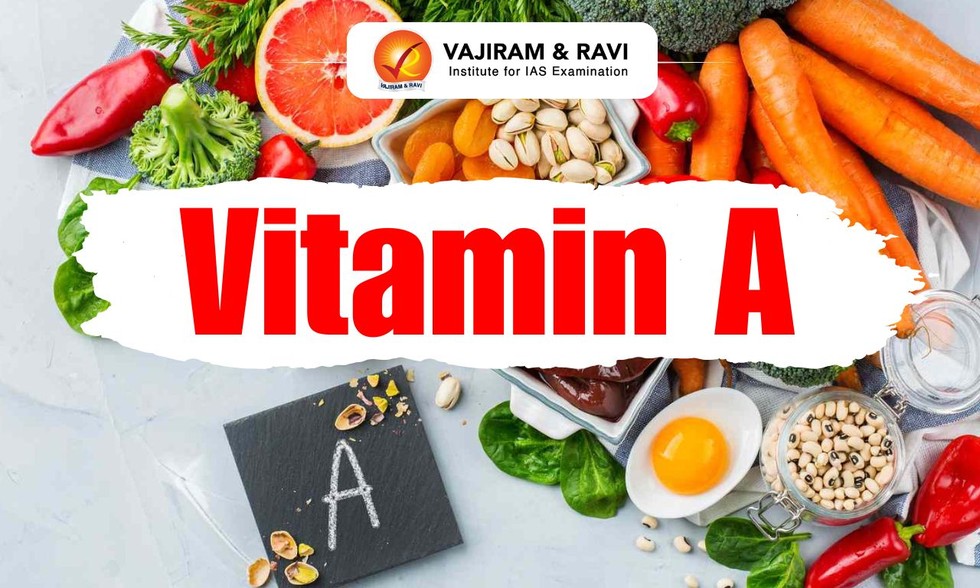
Foods with the highest levels of vitamin A include:
Beef liver and other organ meats
Some types of fish such as herring and salmon and cod fish oil
Eggs
Dairy products such as cheese and fortified milk
Fortified breakfast cereals
Orange and yellow vegetables and fruits, such as carrots, sweet potatoes, mangos, and cantaloupe
Broccoli, spinach, and most dark green, leafy vegetables.
Function:
It supports cell growth, immune function, fetal development, and vision.
One of the best-known functions of vitamin A is its role in vision and eye health.
It is also known as retinol because it produces the pigments in the retina of the eye.
Vitamin A promotes good eyesight, especially in low light.
Vitamin A helps protect surface tissues such as the skin, intestines, lungs, bladder, and inner ear.
It supports immune function by promoting the growth and distribution of T cells, a type of white blood cell that protects the body from infection.
Vitamin A supports male and female reproductive health and fetal development.
Vitamin A deficiency can lead to:
Reversible night blindness
Non-reversible corneal damage known as xerophthalmia
Dear Student,
You have still not entered your mailing address. Please enter the address where all the study materials will be sent to you. (If applicable).