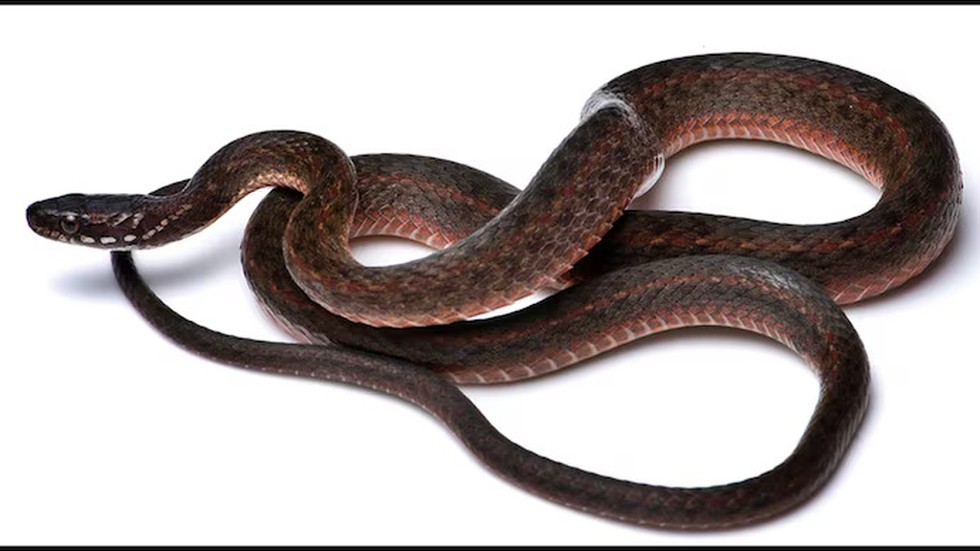
Scientists from the Wildlife Institute of India (WII), Dehradun documented the Rakhine Keelback (Herpetoreas davidi) in Ngengpui Wildlife Sanctuary, and the Kachin Hills Keelback (Hebius gilhodesi) in Namdapha National Park and Kamlang Tiger Reserve.
About Keelback Snake:
Keelback snakes are typically non-venomous.
Habitat: These are often found near water bodies such as streams and wetlands.
Habitat: They are found in moist localities within wet and dry forest environments.
Diet: Frogs, lizards and occasionally fish and tadpoles
Features:
One of the most distinctive features of keelback snakes is their “keeled” scales.
Each scale has a raised ridge running down its center, giving the snake’s skin a noticeably rough and textured feel.
The keeled surface not only gives keelbacks a more rugged appearance but also helps with camouflage,
As the texture can break up light reflections and allow them to blend more effectively into natural surroundings like leaf litter, mud, and wetland vegetation.
Ecological Significance: Their presence is considered an indicator of healthy ecosystems, particularly in forested and riparian habitats.
Dear Student,
You have still not entered your mailing address. Please enter the address where all the study materials will be sent to you. (If applicable).