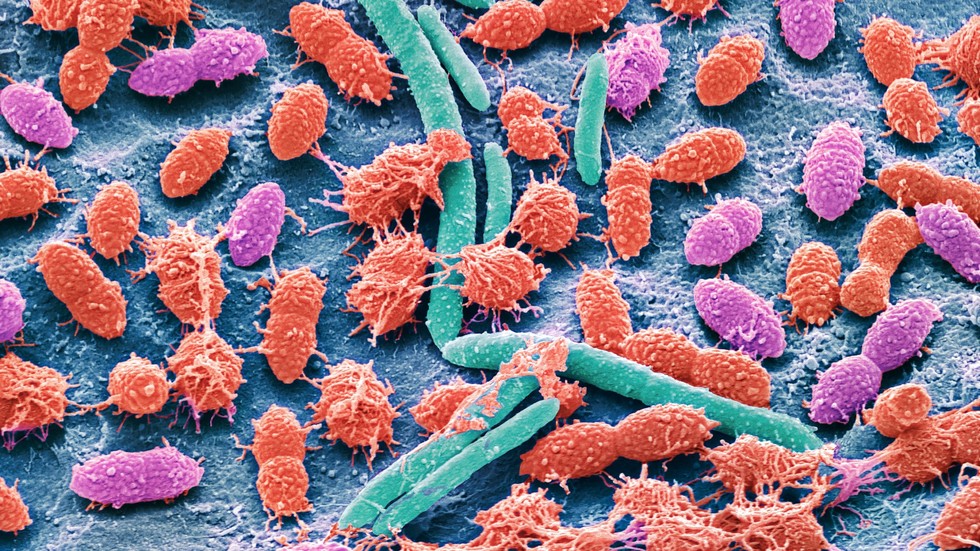
Scientists designed a study to understand how changing lifestyles influence the gut microbiome across different cultural, dietary, and ecological settings and to generate a comprehensive microbiome resource representing the diversity of South Asia.
About Gut Microbiome:
It is a community of microorganisms which includes bacteria, viruses, fungi and parasites residing in the gastrointestinal tract.
It plays a crucial role in digestion, nutrient absorption, and immunomodulation, while also maintaining a symbiotic relationship with the host.
Humans acquire Gut microbiomes through:
Initially acquired during infant stage during vaginal delivery or breastfeeding.
Later diet and other environmental exposuresintroduce new microbes to human biome.
Key Functions of Gut microbiome:
Digestion and Nutrient Extraction: The gut microbiota exists symbiotically within the human digestive system and helps support energy harvesting, digestion, and immune defense.
Gut Barrier: They help maintain your gut barrier, keeping the bacteria and bacterial toxins inside from escaping into your bloodstream.
They also have anti-inflammatory properties to gut.
Synthesis of Essential Vitamins: It can synthesise several vitamins that are crucial for human health.
Dear Student,
You have still not entered your mailing address. Please enter the address where all the study materials will be sent to you. (If applicable).