April 5, 2026
Prelims Pointers
April 5, 2026
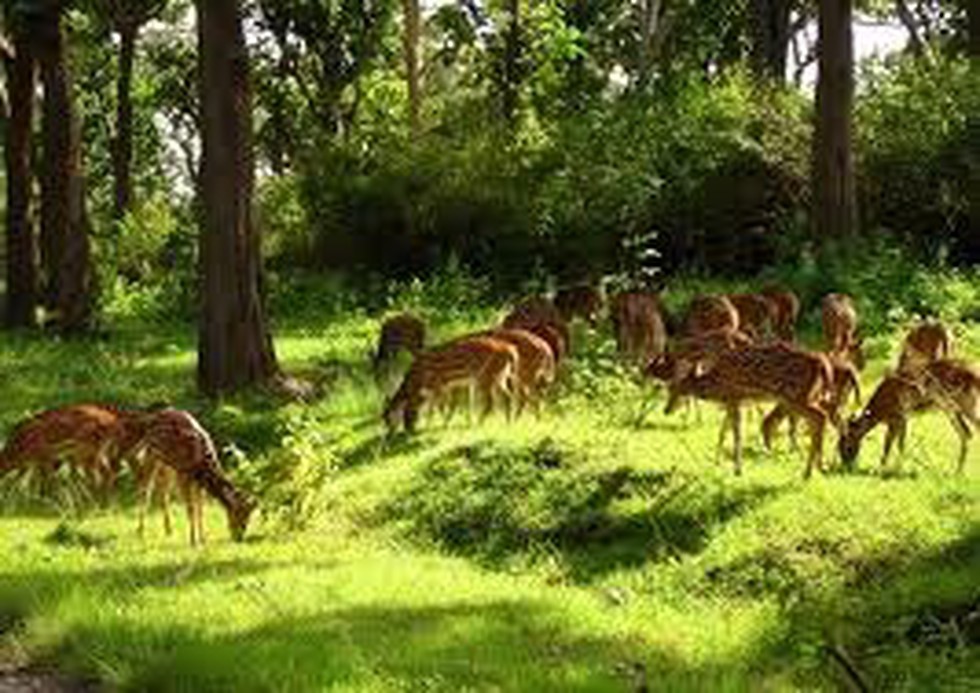
About Barnawapara Wildlife Sanctuary:
- Location: It is located in the northern part of the Mahasamund district of Chhattisgarh.
- It is named after the Bar and Nawapara forest villages, which are in the heart of the sanctuary.
- The tributaries of Mahanadi are the source of water. The River Balamdehi forms the western boundary, and the Jonk River forms the northeastern boundary of the sanctuary.
- Vegetation: It mainly consists of tropical dry deciduous forest.
- Flora: The flora chiefly comprises Teak, Sal, Bamboo and Terminalia being the prominent trees.
- Other major plants found in the sanctuary include Semal, Mahua, Ber, and Tendu.
- Fauna: It is home to neelgai, wild boar, tigers, leopards, Indian bison, porcupines, pythons, antelopes, sambhar and cheetal, along with 150 species of birds, including parrots, blackbucks, herons, egrets, peafowl, etc.
Prelims Pointers
April 5, 2026
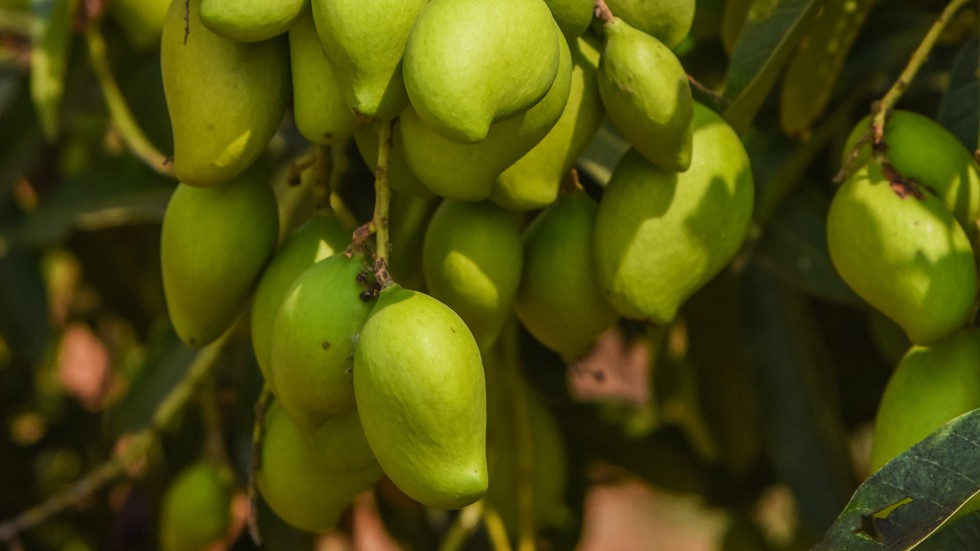
About Appemidi Mango:
- It is found exclusively in the Uttara Kannada and Shivamogga districts of Karnataka.
- It is small and tender; it is regarded as the king among raw mango varieties.
- It is highly sought after by the South Asian pickle industry.
- These mangoes are pulpy, known for their distinctive aroma and long long shelf life.
It has received GI (geographical indication) tag in 2009 in recognition of its culinary and cultural heritage, - Uses: It is a traditional pickling variety of mango from Karnataka.
Key Facts about Geographical Indication (GI) Tag
- It is a sign used on products that have a specific geographical origin and possess qualities or a reputation that are due to that origin.
- This is typically used for agricultural products, foodstuffs, wine and spirit drinks, handicrafts and industrial products.
- The Geographical Indications of Goods (Registration and Protection) Act, 1999 seeks to provide for the registration and better protection of geographical indications relating to goods in India.
- GI tag is valid for 10 years following which it can be renewed.
Prelims Pointers
April 5, 2026
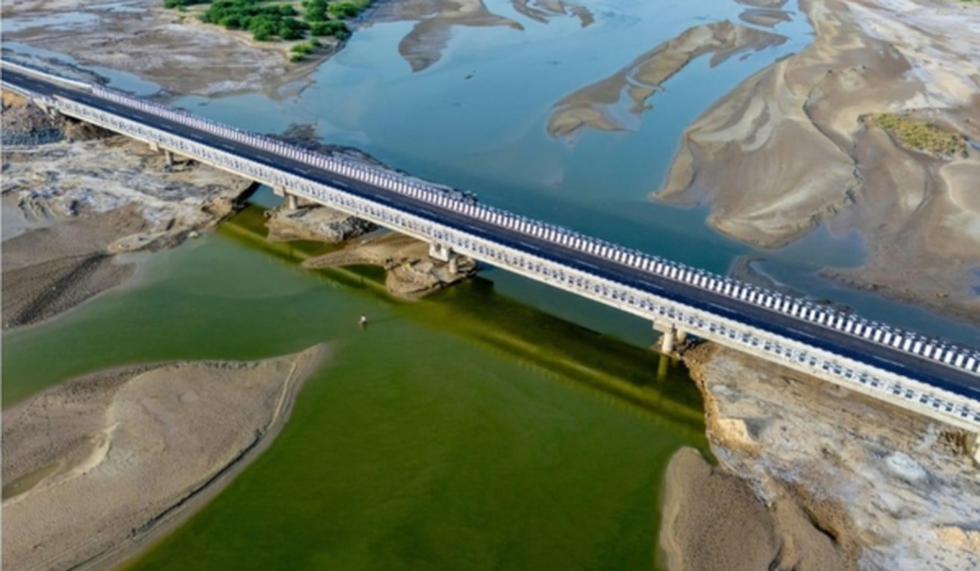
About Project Chetak:
- It was raised in 1980 in the strategically important western sector of India.
- It has played a vital role in developing and maintaining infrastructure in Rajasthan, Punjab, and the northern parts of Gujarat.
- The project has played a vital role in connecting border areas and contributing to national security and regional development, it said.
- It is one of the largest BRO projects in terms of geographical area.
- It supports the defence forces by maintaining key feeder roads towards the International Border with continuous efforts underway to upgrade them to National Highway Double Lane specifications, said the statement.
- Motto: ‘Chetak ka Prayas, Desh ka Vikas’
Key Facts about Border Roads Organisation
- It is a road construction executive force in India that provides support to the Indian Armed Forces.
- BRO was entirely brought under the Ministry of Defence in 2015.
- Establishment: It was formed in 1960 to secure India’s borders and develop infrastructure in remote areas of the north and northeastern states of the country.
- It develops and maintains road networks in India’s border areas and friendly neighboring countries.
- BRO specialises in constructing and maintaining Roads, Bridges, Tunnels, Airfields and Marine Works across some of the world’s most challenging terrains.
- Motto: Shramena Sarvam Sadhyam (everything is achievable through hard work).
Prelims Pointers
April 5, 2026
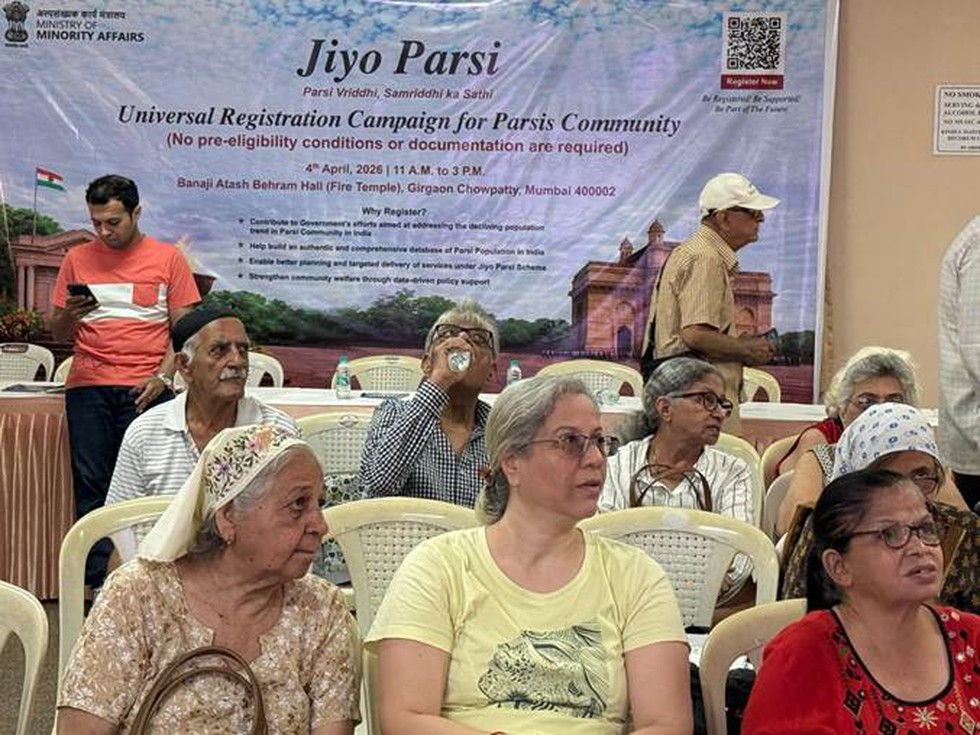
About Jiyo Parsi Scheme:
- Jiyo Parsi is a flagship Central Sector Scheme of the Government of India aimed at arresting the declining population of the Parsi community.
- It was launched in 2013-14 and seeks to stabilize and increase the Parsi population through structured interventions and scientific support.
- The scheme provides:
- Medical Assistance for fertility treatment and pregnancy-related care
- Health of Community support including financial assistance for childcare and care of dependent elderly
- Advocacy initiatives such as counselling, awareness campaigns, and outreach programmes
- The Scheme will be implemented through the State Governments with the assistance of respective Parsi Institutions.
- Eligible Parsi couples would be provided financial assistance under the various components of the schemes through Direct Benefit Transfer (DBT) mode.
- The State Governments would get the necessary verification, including biometric authentication of all beneficiaries done.
- Nodal Ministry: Ministry of Minority Affairs
Prelims Pointers
April 5, 2026
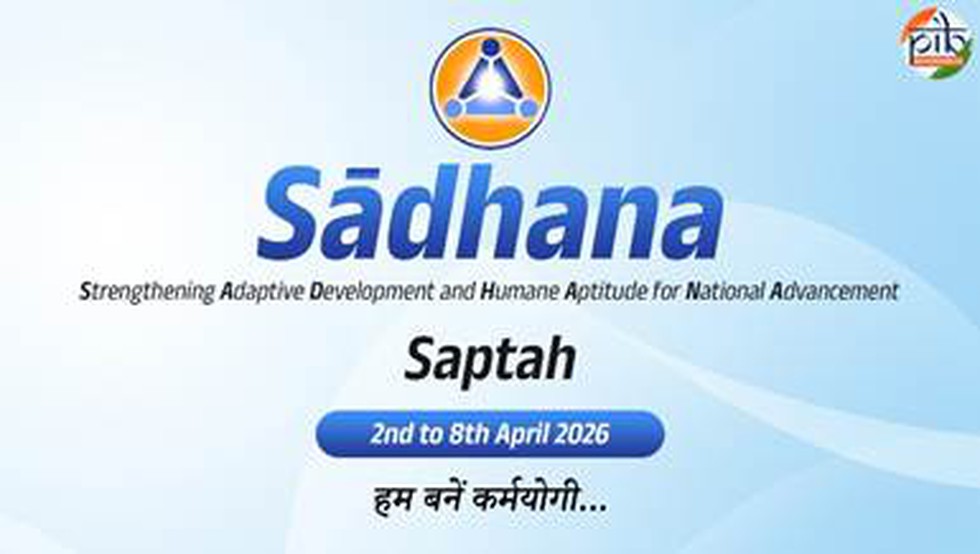
About Sādhana Saptah Initiative:
- It is an initiative under Mission Karmayogi, also known as the National Programme for Civil Services Capacity Building
- The Strengthening Adaptive Development and Humane Aptitude for National Advancement(Sādhana) Saptah aims to foster skills necessary for citizen centric governance.
- It is organised by the Department of Personnel and Training, Capacity Building Commission and Karmayogi Bharat.
- The initiative brings together Central Ministries, States and Union Territories, and training institutions on a common platform to promote responsive and citizen centric governance.
- It is structured around three Sutras: Technology, Tradition and Tangible Outcomes, with a focus on building skills required for achieving the vision of Viksit Bharat 2047.
- It provides multiple learning opportunities through curated courses on the iGOT Karmayogi platform, Samuhik Charcha sessions, thematic webinars and hands on workshops conducted by training institutions.
- These activities focus on competencies such as leadership, communication, data analysis, project management and digital governance.
Prelims Pointers
April 5, 2026
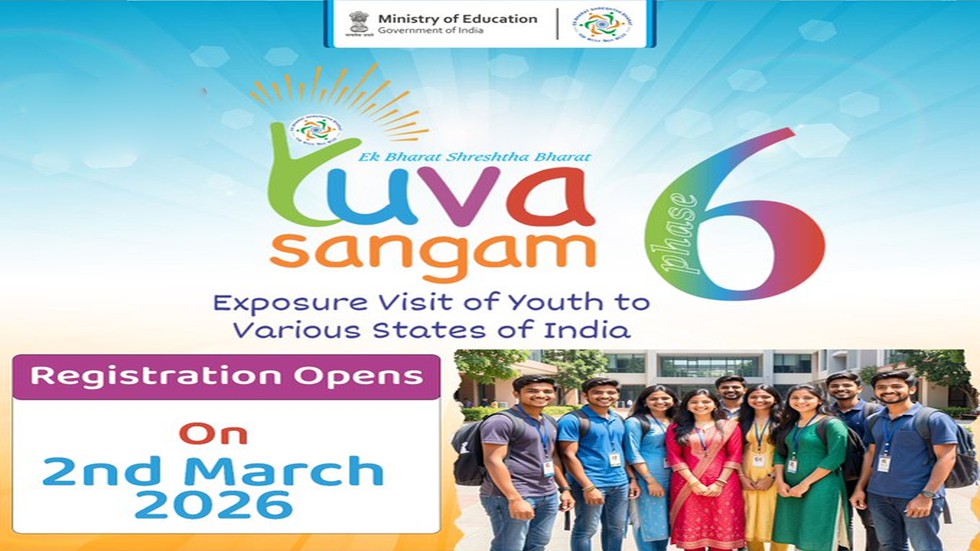
About Yuva Sangam:
- Yuva Sangam is a youth exchange programme that brings young people from different parts of the country together.
- Focus: It is designed for those aged 18–30 years, including students, National Service Scheme and Nehru Yuva Kendra Sangathan volunteers, and young professionals.
- It is anchored by the Ministry of Education and implemented through Higher Education Institutions.
- It creates a structured platform for youth engagement across regions.
- It was launched under the Government of India’s Ek Bharat Shreshtha Bharat (EBSB) initiative.
- It supports the experiential learning approach of the National Education Policy 2020, where learning extends beyond classrooms into real-world contexts.
- The programme is structured around the five thematic pillars — the 5 Ps:
- Paryatan (Tourism), Parampara (Traditions & Culture), Pragati (Development & Governance), Paraspar Sampark (People-to-People Connect), and Prodyogiki (Technology & Innovation)
Prelims Pointers
April 5, 2026
About United Nations Development Partnership Fund:
- It was established in 2017, with $150 million, led by the Government of India.
- The Fund supports Southern-owned and -led, demand-driven and transformational sustainable development projects across the developing world.
- Focus: It focuses on least developed countries and Small Island developing States.
- United Nations agencies implement the Fund projects in close collaboration with partnering Governments.
- The fund is a notable example of South-South cooperation with the system.
- Its thematic reach spans all 17 SDGs, with several initiatives addressing more than one Goal.
- These include climate resilience, environmental sustainability, renewable energy, gender equality, health and pandemic response, education and skills, livelihoods, infrastructure, water and sanitation, and agricultural development.
- Under this, the Commonwealth Window of this Fund aims to catalyze the achievement of the Sustainable Development Goals (SDGs) in the developing countries of the Commonwealth of Nations.
- Commonwealth of Nations is a voluntary association of independent and equal sovereign States comprised mainly of former territories of the British Empire, including India.
- It is managed by United Nations Office for South-South Cooperation (UNOSSC),
Prelims Pointers
April 5, 2026
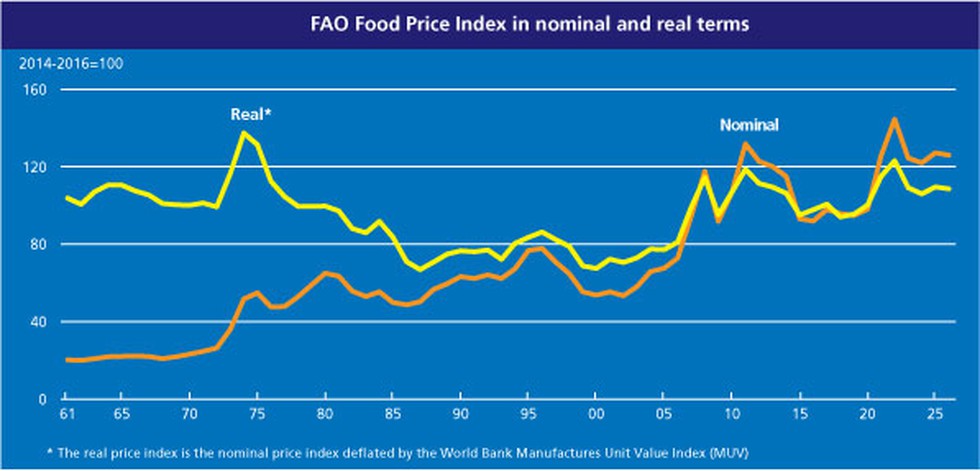
About FAO Food Price Index:
- It is a measure of the monthly change in international prices of a basket of food commodities.
- It consists of the average of five commodity group price indices (cereal, vegetable, dairy, meat and sugar), weighted with the average export shares.
- Base year: 2014-16.
What is Food and Agriculture Organization?
- It is a specialized agency of the United Nations that leads international efforts to defeat hunger and improve nutrition and food security.
- Its goal is to achieve food security for all and make sure that people have regular access to enough high-quality food to lead active, healthy lives.
- Members: It consists of 195 members – 194 countries and the European Union, FAO works in over 130 countries worldwide.
- Its sister bodies are the World Food Programme (WFP) and the International Fund for Agricultural Development (IFAD).
- Reports published by the FAO: The State of the World’s Forests (SOFO), The State of World Fisheries and Aquaculture (SOFIA), The State of Agricultural Commodity Markets (SOCO), The State of Food Security and Nutrition in the World (SOFI).
- Headquarter: Rome (Italy)
Prelims Pointers
April 5, 2026

About Coal Gasification Incentive Scheme
- It was approved in 2024, for promotion of coal and lignite gasification projects for PSUs and private sector.
- It aims to achieve 100 million tonnes of coal gasification by 2030, leveraging India’s abundant domestic coal reserves to promote sustainable industrial development.
- It encourages participation from both public and private sector players to establish coal gasification projects across the country.
- This initiative is a key component of India’s clean coal transition strategy.
- Significance: It is expected to reduce environmental impact, enhance energy security, and drive economic growth through technological innovation and infrastructure development.
- Category of Projects
- Category I:PSU-led projects
- Category II: Private and PSU projects
- Category III: Demonstration and small-scale projects
What is Coal Gasification?
- It is a thermo-chemical process that converts coal into syngas,
- A synthetic gas composed mainly of carbon monoxide (CO), hydrogen (H₂), carbon dioxide (CO₂), methane (CH₄), and water vapour (H₂O).
- Coal is reacted at high temperatures (1000–1400°C) with a controlled amount of oxygen and steam, producing syngas.
- Process of Coal Gasification
- Preparation: Coal is finely crushed to increase surface area.
- Gasification reactor: The powdered coal is fed into a reactor with limited oxygen/air and steam.
- Chemical reactions: Coal breaks down into syngas components due to partial oxidation.
- Gas cleaning: Impurities like tar, sulfur, and dust are removed from raw syngas.
Prelims Pointers
April 5, 2026
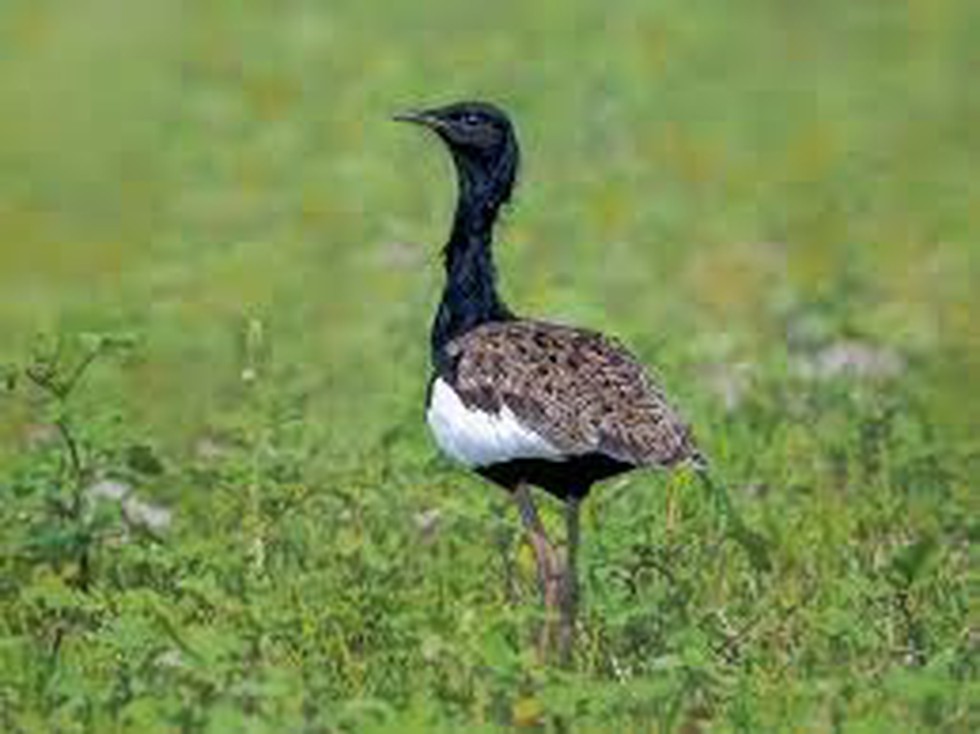
About Bengal Florican:
- It is a grassland indicator species.
- Habitat: It is a bustard mostly found in the seasonally inundated alluvial grasslands of the Gangetic-Brahmaputra plains.
- Distribution: It is distributed in Uttar Pradesh, Assam and Arunachal Pradesh in India, in the terai of Nepal and in Bangladesh.
- Key strongholds in India are Dudhwa National Park in Uttar Pradesh and several sites across Assam—Manas, Kaziranga, Orang, and Dibru-Saikhowa National Parks.
- The male bird shows black plumage, with a crest and elongated display feathers that are raised during courtship, and white wing patches become visible in flight.
- It makes vertical leaps, wing movements and vocalisations along with other males, a behaviour known as “lekking”, to establish territories and attract females.
- It shows reverse sexual dimorphism and colour dichromatism (male and female are differently coloured).
- Diet: They are omnivorous birds. They eat various insects, fruits, seeds, and flowers and also feed on small snakes and lizards.
- Threats: Land conversion, expansion of agriculture, annual grassland burning, overgrazing, encroachment, change of river course, invasive plant species and fire mismanagement have altered their habitat.
- Conservation Status:
- IUCN: Critically Endangered
- Wild Life Protection Act 1972: Schedule I
April 4, 2026
Prelims Pointers
April 4, 2026
About Commission for Air Quality Management:
- It is a statutory body established under the Commission for Air Quality Management in National Capital Region (NCR) and Adjoining Areas, Act 2021.
- Mandate: Better coordination, research, identification, and resolution of problems surrounding the air quality index and for matters connected therewith or incidental thereto.
- It undertakes action for the prevention and control of Air pollution in Delhi-NCR & Adjoining Areas.
- It is required to coordinate its actions on monitoring of air quality with the government of Delhi and the adjoining states, which includes Punjab, Haryana, Rajasthan, and Uttar Pradesh.
- Powers:
- Restricting activities influencing air quality
- Investigating and conducting research related to environmental pollution impacting air quality, preparing codes and guidelines to prevent and control air pollution,
- Issuing directions on matters including inspections, which will be binding on the concerned person or authority?
- All the directions and orders by the Commission are of binding nature, and any person, officer, or authority shall be bound to comply with the same.
- The commission is directly accountable to the parliament.
- Composition:
- Chairperson: To be chaired by a government official of the rank of Secretary or Chief Secretary. He will hold the post for three years or until s/he attains the age of 70 years.
- It also has five ex officio members who are either Chief Secretaries or Secretaries in charge of the department dealing with environment protection in the States of Delhi, Punjab, Haryana, Rajasthan, and Uttar Pradesh.
- Three full time technical members.
- Three members from non-government organisations.
- Technical members from Central Pollution Control Board (CPCB), Indian Space Research Organisation, and NITI Aayog.
Prelims Pointers
April 4, 2026

About Raja Ravi Varma:
- He was born on 29 April 1848, in the village of Kilimanoor in Kerala to a family of chieftains known as the Koil Thampurans.
- Ravi Varma was an Indian painter celebrated for blending Hindu mythological themes with European realism and naturalism.
- He was among the first Indian artists to use oil paints and master lithographic reproduction.
- Themes: Varma painted scenes from Hindu mythology and portraits of Indian and British figures in India.
- Notable Works: His notable works include Shakuntala Writing a Love Letter to Dushyanta and Shri Rama Vanquishing the Sea.
- He is also known for having mastered the reproduction of his work on the lithographic press– through which his paintings spread far and wide.
- He set up his own printing press in Maharashtra — first in Ghatkopar and eventually in Lonavala in 1894.
- Awards:
- In 1904, he received the Kaiser-i-Hind medal and was popularly known as Raja Ravi Varma.
- His 1873 painting, Nair Lady Adorning Her Hair, won Varma prestigious awards including Governor’s Gold Medal when it was presented in the Madras Presidency, and Certificate of Merit at an exhibition in Vienna.
Prelims Pointers
April 4, 2026

About Kar Saathi:
- It is the Income Tax Department's AI chatbot, designed to serve as a virtual tax assistant available round-the-clock through the department's official website.
- It is aimed at simplifying compliance under the Income Tax Act, 2025.
- It functions as a digital assistant integrated within the new income tax website.
- Its primary purpose is to address user inquiries, provide step-by-step guidance, and streamline procedures such as filing returns.
- It is integrated into the site to provide automated, real-time responses to taxpayer queries.
- Features of Kar Saathi:
- The tool is available 24x7 and can explain processes such as filing returns, understanding updated provisions, and navigating forms.
- It's positioned as a "one-stop solution" for taxpayers — covering everything from understanding tax rules to walking you through return filing and resolving queries about direct tax compliance.
Prelims Pointers
April 4, 2026
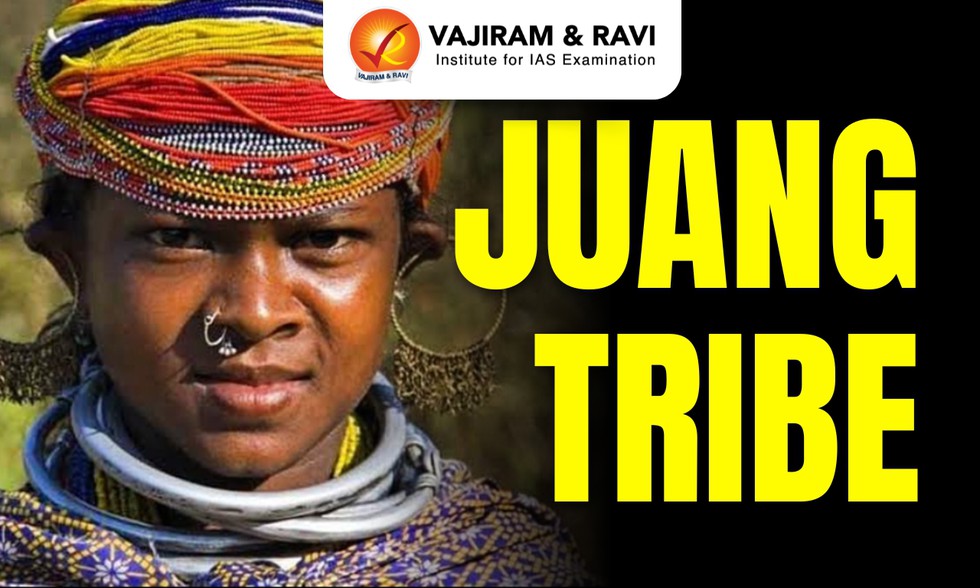
About Juang Tribe:
- Juang is one of the 13 particularly vulnerable tribal groups (PVTGs) of the tribes found in Odisha.
- They are primarily concentrated in the current districts of Keonjhar and Dhenkanal in Odisha.
- Language: Linguistically, they converse in the Juang language, a member of the Munda family within the Austroasiatic languages.
- The Juangs are known for their clan structure and kinship organisations.
- Occupation: Initially reliant on hunting, gathering, and limited cultivation, the declaration of their forests as reserves during the British colonial era prompted a shift in traditional customs.
- Adapting to these changes, the Juang people showcased expertise in basket-weaving, exchanging their products with neighboring caste villages for essentials like salt, oil, and food.
- Clothing: Historically known as Patuas or “leaf-wearers,” Juang women adorned leaf girdles, while men wore small loincloths.
- Beliefs: Although they have some Hindu beliefs, Juangs practice mostly ancient animistic rituals.
- Their supreme god is the sun god. However, they have also adopted the Hindu deities in addition to tribal gods and goddesses.
Prelims Pointers
April 4, 2026

About Rongali Bihu:
- It is one of the major festival of Assam which is commonly known as Bohag bihu
- It is the most popular Bihu that celebrates the onset of the Assamese New Year and the coming of spring.
- The word ‘Rongali’ is derived from ‘Rong’ which means happiness and celebrations.
- This festival reflects the rich culture of Assamese society.
- Celebration of Rongali Bihu:
- During the celebration, traditional pat or muga silk or cotton mekhela chadors are worn by ladies (the two-piece attire).
- As a sign of affection and respect, gamocha, the traditional Assamese towel, also known as Bihuwaan, is exchanged.
Key facts about Bihu
- Bihu is celebrated by people from all parts of Assam irrespective of caste creed or religious background.
- The first Bihu is known as the Rongali Bihu or Bohag Bihu, which is celebrated in the month of April.
- The second Bihu is known as Kati Bihu or Kongali Bihu, which is celebrated during the month of October
- Finally there is Magh Bihu, which is observed during the month of January.
Prelims Pointers
April 4, 2026

About Azerbaijan:
- Location: It is located at the junction of Eastern Europe and Western Asia along the southern flanks of the Caucasus Mountains.
- Bordering Countries: It is bordered by Russia in the north, Georgia in the northwest, Armenia in the west, and Iran in the south.
- Water Bodies: It is bounded in the east by the Caspian Sea.
- Capital City: Baku
- Geographical Features of Azerbaijan:
- Climate: Its climate is highly varied and contains examples of nine out of the world's eleven climate zones.
- Major Rivers: Alazani, Aras, and Kura Rivers
- Highest Point: Mount Bazardüzü is the highest peak in the Greater Caucasus Range and the highest mountain in Azerbaijan.
- Natural Resources: It mainly consists of gold, silver, iron, titanium, copper, manganese, cobalt, molybdenum, and chromium.
Prelims Pointers
April 4, 2026

About Sukhna Wildlife Sanctuary:
- Location: It is a protected area located in Chandigarh, near the famous Sukhna Lake at the foothills of the Shivalik range.
- The lake was created by the architect Le Corbusier in 1958 by diverting the Sukhna Choe, a seasonal stream that flows down from the Shivalik hills.
- The sanctuary was developed as a result of afforestation done for soil conservation around Sukhna Lake.
- The Sanctuary was established in 1998.
- The place is quite unstable geographically and becomes prone to soil erosion by surface runoff during rains.
- It has sandy soil of Shivalik with pockets of clay embedded at places.
- Vegetation: It is characterized by a mix of forests, grasslands, and wetlands, with the Sukhna Lake forming an important part of the ecosystem.
- Flora: The common flora of the sanctuary includes Khair, Phulai, Kikar, Shisham, Moonj, Amaltas, Jhingan, Amla, Rati, Vasaka, and many more.
- Fauna:
- Squirrel, Common-Mongoose, Indian Hare, Porcupine, Jungle Cat, Jackal, Wild boar, etc, are the mammals found in the sanctuary.
Prelims Pointers
April 4, 2026

About Purchasing Managers’ Index:
- It is an indicator of business activity — both in the manufacturing and services sectors.
- It is a survey-based measure that asks the respondents about changes in their perception of some key business variables from the month before.
- It is calculated separately for the manufacturing and services sectors and then a composite index is constructed.
- The index helps in determining whether the market conditions, as seen by purchasing managers, is expanding, contracting or staying the same.
- There are two types of PMI — Manufacturing PMI and Services PMI.
- How is the Manufacturing PMI Derived?
- It is derived by sending fact-based questions to a large number of companies in the concerned sector.
- The questions are related to 5 key variables— new orders, output employment, suppliers’ delivery times and stock of items purchased
- The surveys are conducted on a monthly basis.
- The Purchasing Managers' Index can range between 0 and 100, with a number over 50 citing expansion and under 50 noting contraction.
Prelims Pointers
April 4, 2026

About INS Aridhaman:
- It is India’s third indigenously built nuclear-powered ballistic missile submarine.
- It is the second submarine in the Arihant class of SSBNs (Submersible Ship Ballistic Nuclear).
- It is built under the Advanced Technology Vessel (ATV) project to build nuclear submarines at the Ship Building Centre in Visakhapatnam.
- Features of INS Aridhaman
- It consists of an 83 MW pressurized water reactor supplied by the Bhabha Atomic Research Centre.
- Armaments:
- Equipped with eight vertical launch tubes, it is designed to carry more long-range nuclear-tipped missiles than INS Arihant and INS Arighaat.
- It has four launch tubes capable of deploying up to 24 K-15 Sagarika submarine.
- It also has anechoic tiles for acoustic damping and advanced sonar suites enhancing its survivability against detection.
Prelims Pointers
April 4, 2026

About Namo Drone Didi Yojana:
- It is a central sector initiative to empower women-led Self-Help Groups (SHGs) promoted under Deendayal Antyodaya Yojana – National Rural Livelihoods Mission (DAY-NRLM) by providing them with drone technology for agricultural services.
- It aims to provide drones to selected SHGs for rental services to farmers for agriculture purposes (application of liquid fertilizers and pesticides for the present).
- Financial Assistance: Central Financial Assistance @ 80% of the cost of drone package will be provided to the women SHGs. For the remaining 20% cost, SHGs can seek loans from the National Agriculture Infrastructure Financing Facility (AIF)with a 3% interest subvention.
- Training: One of the members of the women SHGs will be selected for 15 day training comprising of mandatory drone pilot training and additional training for agriculture purpose for nutrient and pesticide application.
- It is implemented by converging the resources of:
- Department of Agriculture & Farmer’s Welfare (DA&FW), Department of Rural Development (DoRD) and Department of Fertilizers (DoF) and Lead Fertilizer Companies (LFCs).
April 3, 2026
Prelims Pointers
April 3, 2026

About General Anti Avoidance Rules:
- It is an anti-tax avoidance law in India to curb tax evasion and avoid tax leaks.
- It came into effect in 2017. The GAAR provisions come under the Income Tax Act, 1961.
- It was recommended by the Parthasarathi Shome Committee.
- Aim: It is specifically aimed at cutting revenue losses that happen to the government due to aggressive tax avoidance measures practiced by companies.
- GAAR is a tool for checking aggressive tax planning, especially those transactions or business arrangements that are entered into with the objective of avoiding tax.
- It is meant to apply to transactions that are prima facie legal, but result in tax reduction.
- GAAR applies only if the tax benefit exceeds ₹3 crore in a financial year.
- GAAR provisions give wide powers to tax authorities to treat any arrangement or a transaction as an ‘impermissible avoidance arrangement’ (IAA) and re-compute income and consequent tax implications.
Prelims Pointers
April 3, 2026
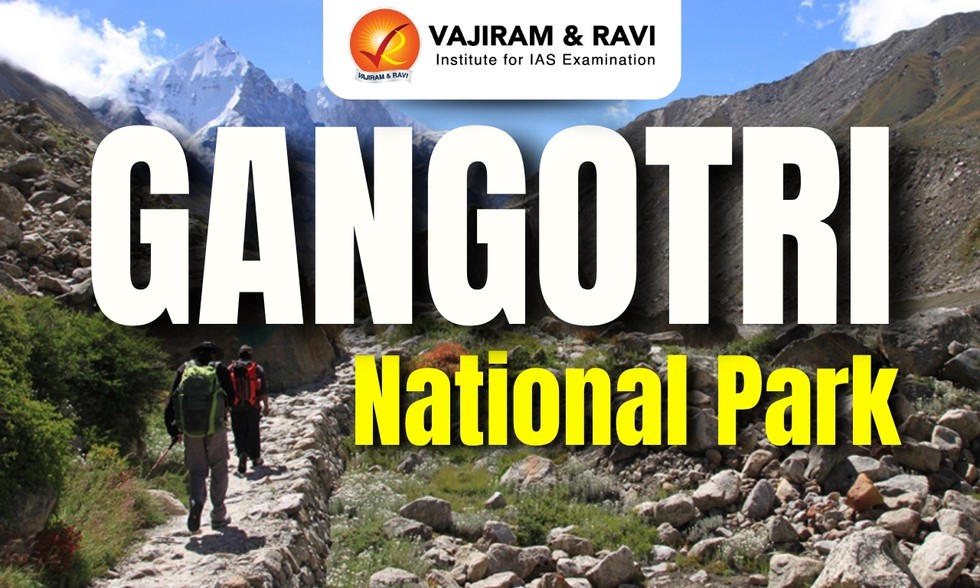
About Gangotri National Park:
- Location: It is located in Uttarakhand.
- It sits along the upper catchment of the Bhagirathi River.
- International boundary: The northeastern section of the park forms the international boundary of India and Tibet (China).
- The area enclosed by the park also borders Kedarnath Wildlife Sanctuary and Govind National Park.
- The mountains in the park are part of the Gangotri Group of the Garhwal Himalayas, which are a subrange of the eastern Himalayas.
- Important Peaks: Major peaks within the park include Chaukhamba I, Satopanth, Chaukhamba II, Chaukhamba III, and Kedarnath Main.
- Glacier: The famous Gangotri Glacier is located in the park boundaries and is known for being one of the primary sources of the Ganges.
- Flora: Western Himalayan subalpine conifer forests dominate the lower elevation landscapes. These forests are filled with fir trees intermixed with deodar, oak, spruce, and rhododendrons trees.
- Higher elevations in the park are home to Western Himalayan alpine shrubs.
- Fauna: It mainly home to Snow leopard, brown bear, blue sheep, musk deer, Asian black bear, and the Himalayan tahr etc.
Prelims Pointers
April 3, 2026
About United Nations Interim Force in Lebanon:
- It is a peacekeeping mission in south Lebanon.
- It was established by the Security Council in 1978.
- Background: Originally, UNIFIL was created by the Security Council in 1978 to confirm Israeli withdrawal from Lebanon.
- The mandate had to be adjusted twice, due to the developments in 1982 and 2000.
- In 2006, the UN Security Council strengthened UNIFIL’s mandate to monitor the cessation of hostilities, among other tasks.
- Objectives: UNIFIL's objectives include:
- Confirming Israeli withdrawal
- Restoring international peace and security
- Assisting the Lebanese Government in restoring its authority
- Monitoring the cessation of hostilities Protecting civilians and humanitarian workers
- It has the Maritime Task Force which is a naval peacekeeping force.
- It was deployed in 2006 at the request of the Lebanese Government to help the Lebanese Navy secure the country’s sea borders and other maritime entry points
- India is also one of the troops contributing country.
Prelims Pointers
April 3, 2026
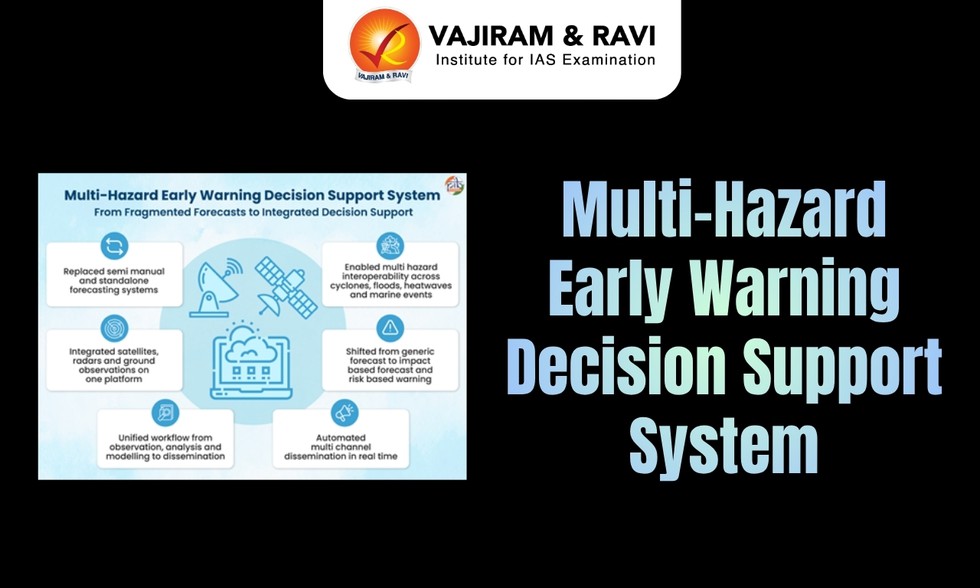
About Multi-Hazard Early Warning Decision Support System:
- It is an advanced digital forecasting platform developed by the Indian Meteorological Department (IMD) using open-source technology and in-house expertise.
- It is digital transformation initiative under Mission Mausam.
- It was officially launched in 2024.
- It operates in real time using tools such as Geographic Information System (GIS) maps, enabling forecasters to quickly collect, analyse, and disseminate weather information in a clear and user-friendly manner.
- Features of Multi-Hazard Early Warning Decision Support System
- Automated Weather Data Processing: Over 90% of weather data collection, quality checks, and integration are automated, enabling faster detection of weather systems and their possible impacts.
- Better Use of Forecast Models: More than 95% of numerical weather prediction model inputs are used in forecasting, improving risk assessment for different weather hazards.
- Re-engineered Forecasting System: The entire forecasting and warning generation process has been re-engineered, enabling real-time alerts and faster decision-making.
- Longer Forecast Lead Time: Forecast lead time has increased, allowing authorities and communities to prepare in advance.
- Faster Forecast Preparation: The time required to prepare forecasts has reduced, enabling quicker dissemination of warnings.
- Nodal Ministry: Ministry of Earth Sciences (MoES)
Prelims Pointers
April 3, 2026
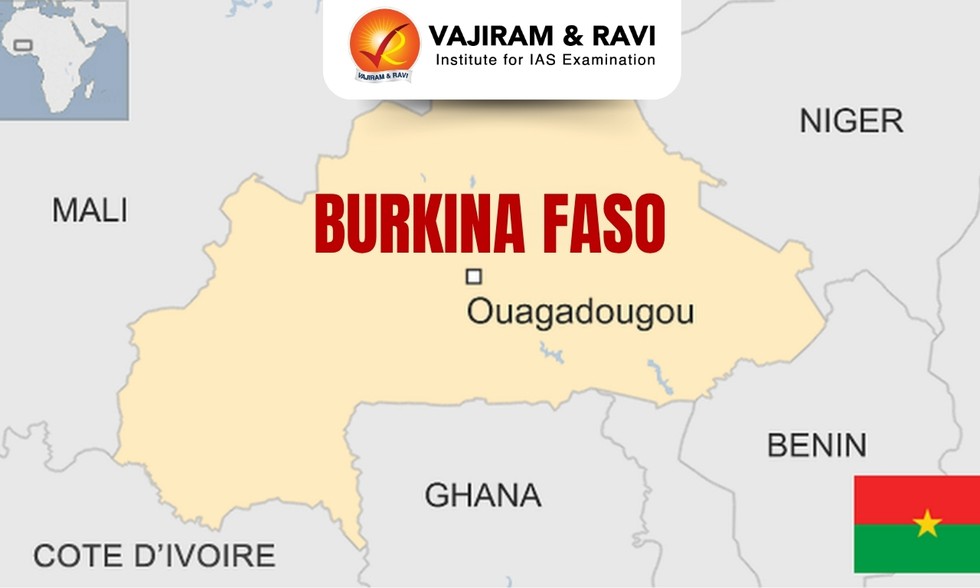
About Burkina Faso:
- It is a landlocked country in western Africa.
- Bordering countries: It shares its borders with six other nations: Mali to the north and west, Niger to the east, and Benin to the southeast, while to the south it touches Togo, Ghana, and Ivory Coast.
- Capital City: Ouagadougou
- Geographical Features of Burkina Faso:
- Terrain: It is predominantly characterized by savannahs, plateaus, and low mountains in the southwest.
- The northern region, known as the Sahel, is arid and desert-like.
- Highest mountain: Mount Tenakourou
- Rivers: Black Volta, Red Volta, and White Volta (These 3 converge in Ghana and form the Volta River).
- Lakes: The country's largest lake, Lake Bam, lies near the center of the country.
- Natural Resources: It is rich in mineral resources, and produces gold, silver, zinc, manganese, phosphate and limestone in substantial quantities.
Prelims Pointers
April 3, 2026
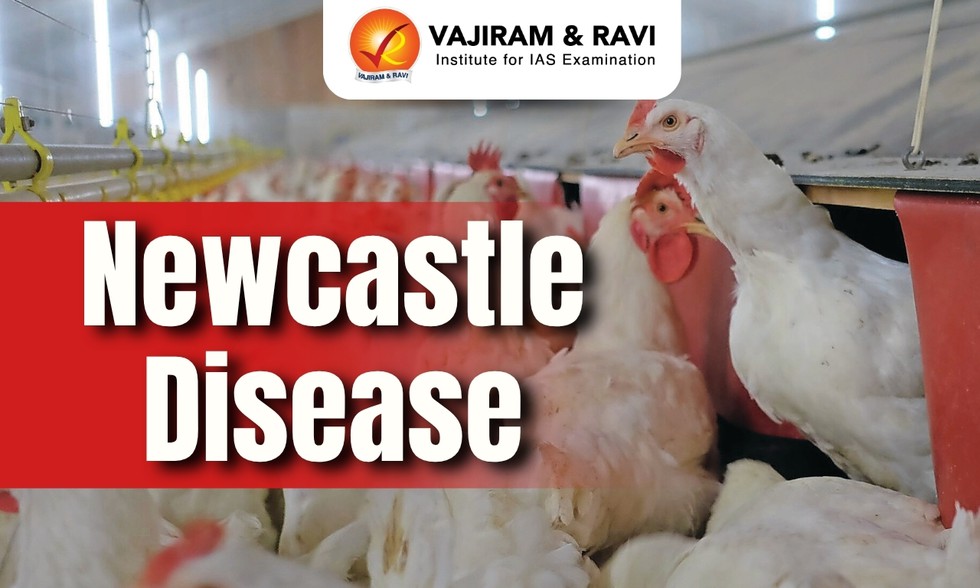
About Newcastle Disease:
- It is caused by avian paramyxovirus serotype 1, affects chickens and a wide range of other birds.
- It is a highly contagious and often severe disease found worldwide that affects birds including domestic poultry.
- The disease appears in three forms: lentogenic or mild, mesogenic or moderate and velogenic or very virulent.
- The lentogenic strains are very widespread but cause few disease outbreaks.
- Transmission: Infected birds shed virus in exhaled air, respiratory discharge, and feces.
- Symptoms:
- It usually presents as a respiratory disease, but depression, nervous manifestations, or diarrhoea may be the predominant clinical form.
- Respiratory signs – gasping, coughing, sneezing and rales
- Nervous signs – tremors, paralyzed wings and legs, twisted necks, circling, spasms, and paralysis
- Apartial or complete drop in egg production may occur. Eggs may be abnormal in color, shape, or surface, and have watery albumen
- Treatment: There is no treatment for Newcastle Disease, although treatment with antibiotics to control secondary infections may assist.
Prelims Pointers
April 3, 2026

About Earthquake Lights:
- Earthquake lights are flashes, streaks, balls, or tall pillars of light that sometimes appear in the sky right before, during, or just after an earthquake.
- Formation:
- Earthquakes happen when huge tectonic plates push and grind against each other.
- This stress squeezes rocks in the crust, especially those containing quartz or certain minerals.
- The pressure creates electric charges inside the rocks.
- These charges then flow upward through cracks and faults until they reach the surface. Once there, they bump into air molecules and ionise them, stripping electrons and creating glowing plasma.
- The result is visible flashes or steady beams with no heat or fire.
- Scientists have noted that lights appear more often in places with straight, vertical faults, like rift zones, which act like easy pathways for electricity.
Prelims Pointers
April 3, 2026
About Trade Enablement and Marketing Initiative:
- It is a Central Sector Scheme under the Raising and Accelerating MSME Performance (RAMP) Programme.
- The initiative will empower MSMEs with digital tools and guidance to effectively utilize the e-commerce marketplace.
- The key objectives of the TEAM Initiative:
- Facilitating onboarding of MSMEs onto the ONDC network to enable digital commerce participation.
- Supporting MSMEs in creation of digital product catalogues, branding and packaging improvements.
- Providing training and capacity building on e-commerce operations, digital marketing, logistics and online payments.
- Strengthening market linkages and increasing online sales opportunities for participating enterprises.
- Duration: 3 years from 2024 to 2027.
- Eligibility Criteria: All the Udyam registered Micro and Small Enterprises (MSEs) under manufacturing and services sectors will be eligible for benefits under the Initiative.
- Targeted beneficiaries: It envisages benefiting 5 lakh Micro and Small Enterprises (MSEs) of which 50% are to be women owned MSEs.
- Implementing Agency: National Small Industries Corporation (NSIC)
- Nodal Ministry: It has been launched by the Ministry of Micro, Small and Medium Enterprises (MoMSME).
Prelims Pointers
April 3, 2026
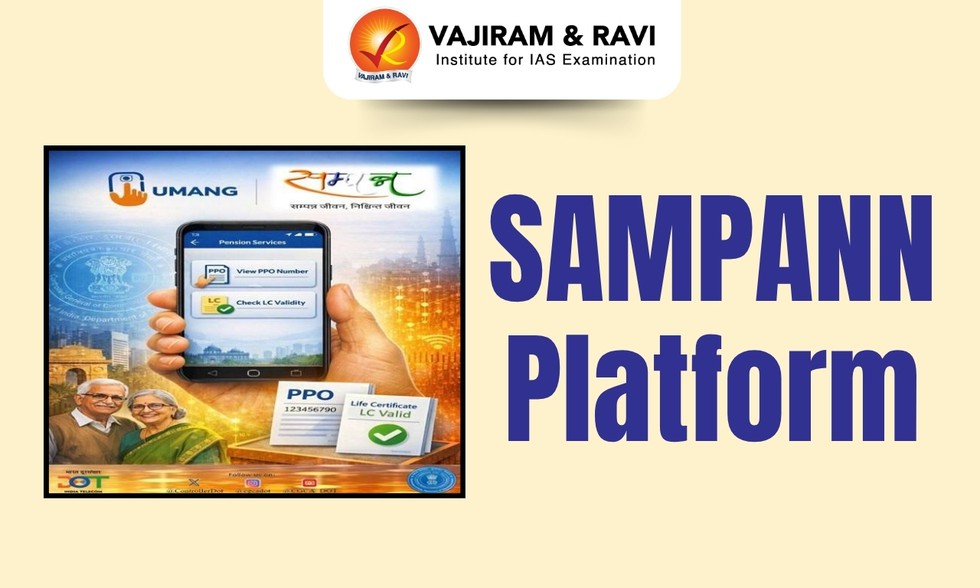
About SAMPANN Platform:
- SAMPANN (System for Accounting and Management of Pension) is the flagship digital pension and financial management platform of the Department of Telecommunications.
- It is managed by the Office of the Controller General of Communication Accounts (CGCA).
- It was designed to streamline pension sanction, authorisation, accounting and payment through a single digital platform.
- It was launched in 2018.
- It provides direct credit of pension into the bank accounts of pensioners.
- Features of SAMPANN Platform:
- It is a cloud-based, end-to-end pension management system of the Department of Telecommunications.
- Direct disbursement of pension on a timely basis without intermediaries
- Single window system for complete pension process
- Online grievance management for the pensioners, reducing paperwork
- Tracking of pension status from home encourages transparency and accountability
- Faster processing of arrears and revision of pension.
Prelims Pointers
April 3, 2026
About Non-Deliverable Derivative:
- An NDD is a derivative contract where two parties agree on a future exchange rate for the rupee, but settle the difference in cash, usually in US dollars.
- Reason for formation: As India has capital controls, offshore investors can’t freely trade in the rupee in physical form. This led to the creation of the NDD markets in the rupee.
- Participating Parities: The NDD market is widely used by foreign investors, hedge funds and global banks who cannot freely access and play in the Indian rupee market.
- These trades take place offshore, outside the control of the RBI.
- This often acts as a price discovery mechanism for the rupee, even influencing expectations before Indian markets open.
- Issues with NDD
- Distort Price Discovery: These instruments have long been criticised for distorting price discovery.
- Used For Speculation: Some participants would cancel and re-enter contracts to take advantage of favourable movements, effectively turning hedging tools into speculative instruments.
April 2, 2026
Prelims Pointers
April 2, 2026
About Antariksh Venture Capital Fund:
- It is a close ended fund registered with the Securities and Exchange Board of India (SEBI) as a Category II Alternative Investment Fund (AIF).
- Key Investor: Indian National Space Promotion and Authorization Centre (IN-SPACe), Department of Space, Government of India.
- The Fund is sponsored by SIDBI Venture Capital Limited.
- The Fund’s investment objective: To provide much-needed capital to companies in the space sector at various stages of development as well as support the scaling of operations and the commercialization of new technologies, empowering the companies to contribute to India’s broader space ambitions.
- It is looking to invest exclusively in Indian companies operating in the Space sector with Technology Readiness Level (TRL) of 4 and above.
Key Facts about Indian National Space Promotion and Authorization Centre
- It is a single-window, independent, nodal agency that functions as an autonomous agency in the Department of Space (DOS).
- It is formed following the Space sector reforms to enable and facilitate the participation of private players.
- Functions:
- It is responsible to promote, enable, authorize and supervise various space activities of non-governmental entities (NGEs) including building launch vehicles & satellites and providing space-based services; sharing space infrastructure and premises under the control of DOS/ISRO; and establishing of new space infrastructure and facilities.
- The agency acts as an interface between ISRO and NGEs and assesses how to utilize India’s space resources better and increase space-based activities.
- Three Directorates viz., Promotion Directorate (PD), Technical Directorate (TD) and Program Management and Authorization Directorate (PMAD) are carrying out the functions of IN-SPACe.
Prelims Pointers
April 2, 2026
About YUVIKA Programme:
- YUva VIgyani KAryakram (YUVIKA) is a learning and awareness creating programme of the ISRO.
- It imparts basic knowledge on Space Technology, Space Science, and Space Applications to younger students with a preference to rural areas.
- The programme is aimed at creating awareness about the emerging trends in science and technology amongst the youngsters, who are the future building blocks of our nation.
- It is also expected to encourage more students to pursue Science, Technology, Engineering and Mathematics (STEM) based research /career.
- Eligibility:
- Those who have finished class 8 and are currently studying in class 9 can apply for the programme.
- Three students from each state/Union Territory will participate in this programme every year, covering CBSE, ICSE, and state-board syllabus.
- The selection is based on 8th Standard academic performance and extracurricular activities.
- Students belonging to the rural area have been given special weightage in the selection criteria.
- In case there is a tie between the selected candidates, the younger candidates will be given priority.
- This programme involves:
- It is a two-week residential programme offered by ISRO.
- It will include invited talks, experience sharing by eminent scientists, facility and lab visits, exclusive sessions for discussions with experts and practical and feedback sessions.
Prelims Pointers
April 2, 2026
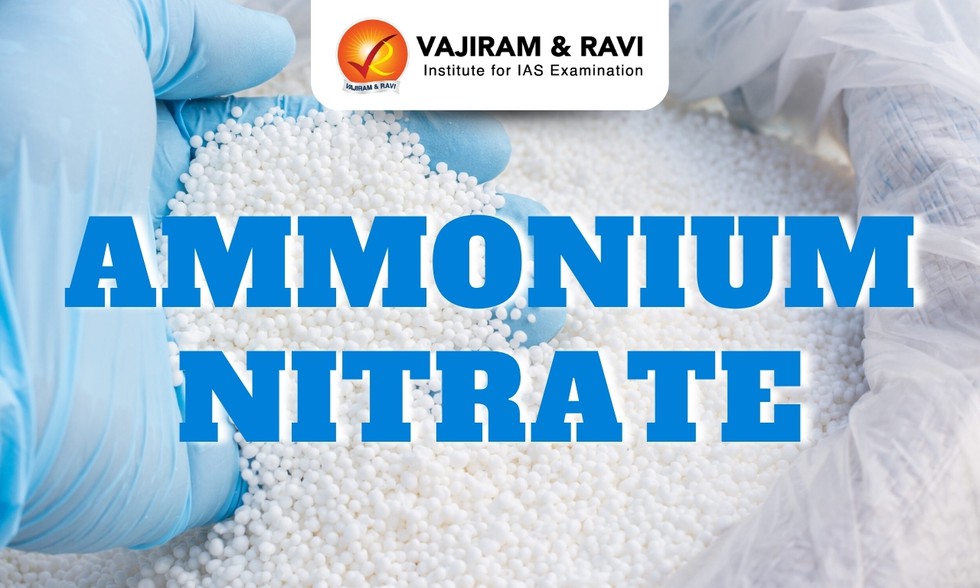
About Ammonium Nitrate:
- Ammonium nitrate (NH4NO3) is a crystal-like white solid which is made in large industrial quantities.
- It is a salt of ammonia and nitric acid.
- Properties of Ammonium Nitrate:
- It has a melting point of 170°C.
- It is highly soluble in water; heating of the water solution decomposes the salt to nitrous oxide (laughing gas).
- Applications:
- It is commonly used in agriculture as a high-nitrogen fertilizer, and it has also been used as an oxidizing agent in explosives.
- It is one of the base ingredients used in the manufacture of commercial explosives.
- It is the main component of slurry explosives used for mining.
- Legal Controls on Ammonium Nitrate in India
- Under rules introduced in 2012 and updated in 2021, any mixture containing over 45% ammonium nitrate is legally classified as an explosive.
- A District Magistrate may permit possession of up to 30 metric tonnes, while larger quantities need approval from the Petroleum and Explosives Safety Organisation (PESO).
- PESO issues licences for the manufacture, storage, transport, and use of large quantities of ammonium nitrate.
Prelims Pointers
April 2, 2026
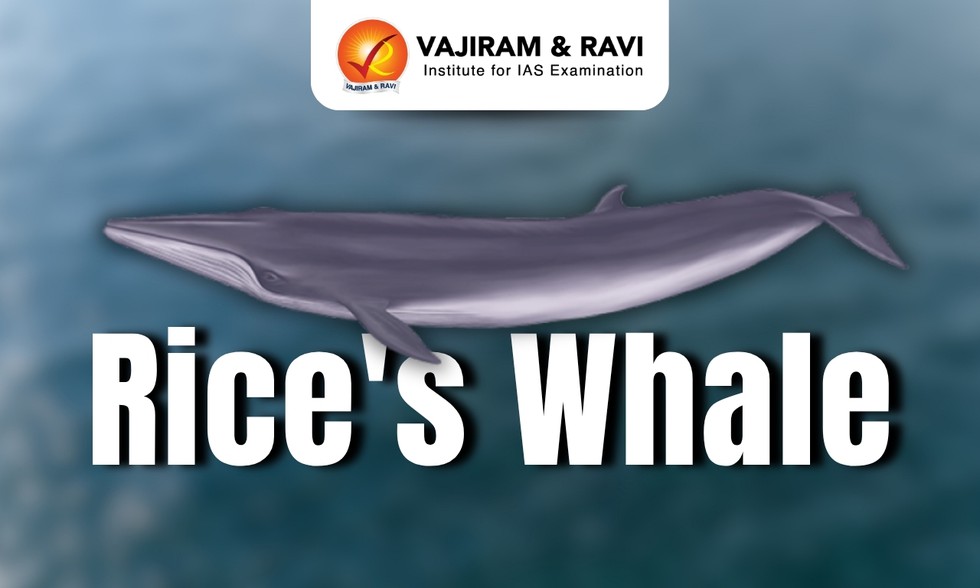
About Rice's Whale:
- Rice's whales are members of the baleen whale family Balaenopteridae.
- These are most closely related to Bryde’s whales.
- In 2021, the Rice’s whale was recognized as a new species, evolutionarily distinct from other Bryde’s whales around the world.
- Appearance:
- They have three prominent ridges in front of their blowhole. Their body is sleek, and their pectoral fins are slender and pointed.
- Rice's whales are uniformly dark gray on top with a pale to pink belly.
- Distribution: It is the only whale species that lives year-round in the Gulf of America.
- Diet: They are mainly dependent on silver-rag driftfish.
- Threats: Vessel strikes, noise pollution, oil spills, and climate change.
- Conservation Status
- IUCN Red List: Critically Endangered
Prelims Pointers
April 2, 2026
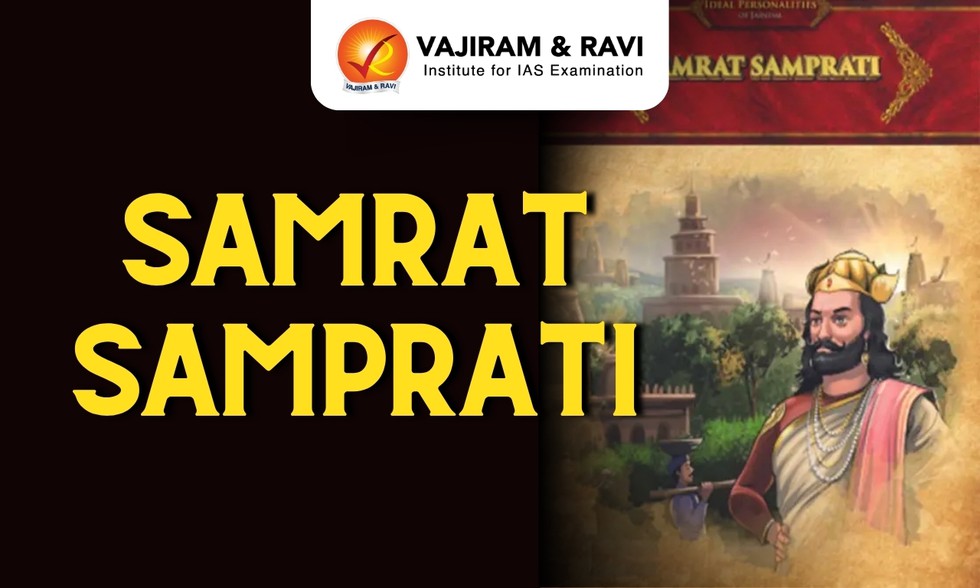
About Samrat Samprati:
- Samrat Samprati (224-215 BC) was a Mauryan ruler.
- He was the grandson of Samrat Ashoka.
- Other Names: He was known as Indrapalit, Sangat and Vigatashok.
- He was known for propagating Jainism and the principle of non-violence.
- His life is described in Jain scripture like ‘Sampratikatha’, ‘Parishistaparva’, and ‘Prabhavakcharita’.
- King Samprati had established centres of Jain culture in Iran and in Arab countries.
- It is said that Samprati, also known as 'Jain Ashoka',built thousands of Jain temples in western and southern India.
Key Facts about Jainism
- Jainism is a sramanic religion. Sramana' is a Sanskrit word that denotes an ascetic or monk.
- Jainism is one of the religions whose origin can be traced back to the twenty four teachers (tirthankaras - ones who establishes a path or ford), through whom their faith is believed to have been handed down.
- The 24th Tirthankara was Vardhamana Mahavira.
- Jainism mainly aims at the attainment of liberation. It can be attained through three principles required to be observed to attain Moksha/Nirvana
- Samyakdarshana: Right Faith
- Samyakjnana: Right Knowledge
- Samyakcharita: Right Action
- The five doctrines of Jainism (five vows), known as Panchamahavratas, are for the monks.
- Ahimsa: do not commit violence
- Satya:do not tell a lie
- Asteya: do not steal
- Aparigraha: do not hoard
- Brahmacharya: observe continence.
Prelims Pointers
April 2, 2026
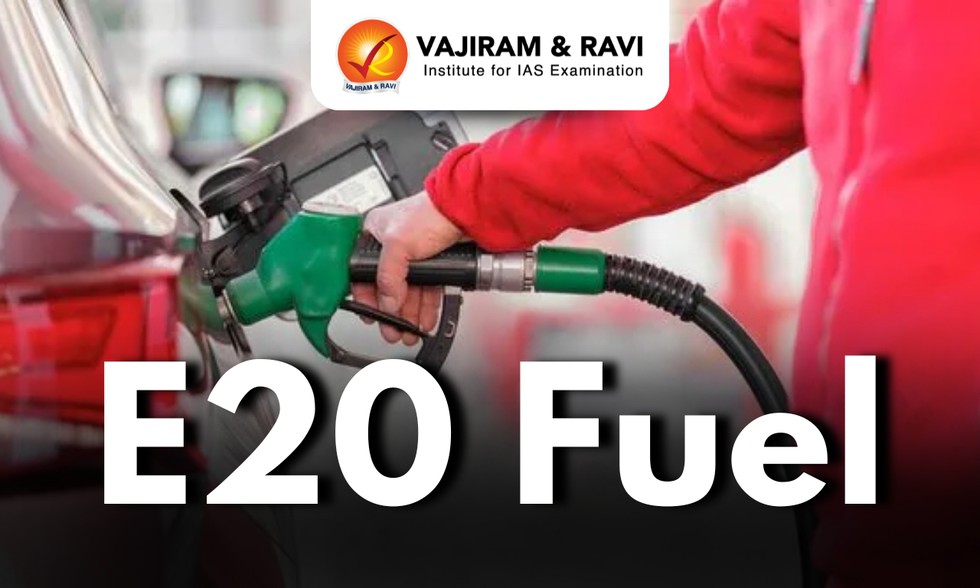
About E20 Fuel:
- It is a blend of 20 per cent ethanol and 80 per cent petrol.
- Ethanol is a biofuel derived from crops such as sugarcane, maize, and grains.
- Advantages: It offers a higher octane rating and potentially cleaner combustion, making it a more advanced alternative.
- While regular petrol in India typically has an octane rating of around 91 to 92 RON, E20 fuel comes with a minimum rating of 95 RON.
- This higher octane helps in smoother combustion.
What is Ethanol?
- Ethanol, also known as ethyl alcohol, is a type of alcohol that is commonly used in various applications.
- Properties: It is a clear, colourless liquid with a characteristic odour and taste.
- Ethanol has the chemical formula C2H5OH and is composed of carbon, hydrogen, and oxygen atoms.
- Pure ethanol is nontoxic and biodegradable, and if spilled, they break down into harmless substances.
- However, fuel ethanol contains denaturants to make fuel ethanol undrinkable.
- How is ethanol sourced?
- Ethanol can be produced from various sources, but it is often derived from renewable resources such as crops like corn, sugarcane, barley, and wheat.
- It can also be produced from cellulosic materials like agricultural residues and wood.
Prelims Pointers
April 2, 2026
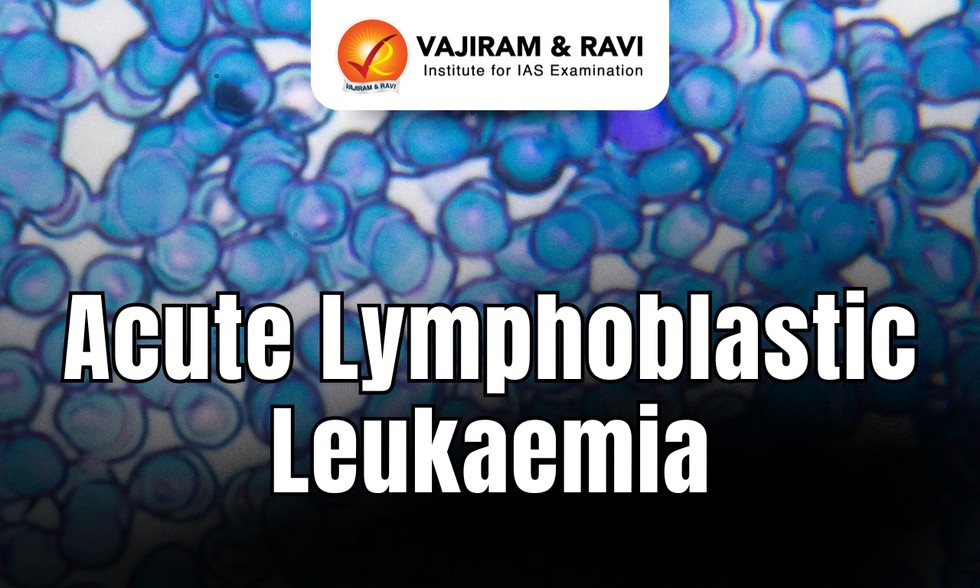
About Acute Lymphoblastic Leukaemia:
- Acute lymphoblastic leukaemia or acute lymphocytic leukaemia is a type of blood cancer that affects the white blood cells and bone marrow.
- It is a fast-growing cancer. It is the most common type of paediatric cancer.
- Symptoms: Bleeding from the gums, Bone pain, Fever, Frequent infections and Frequent or severe nosebleeds etc.
- Causes: It occurs when a bone marrow cell develops changes (mutations) in its genetic material or DNA.
- Types of Acute Lymphoblastic Leukaemia: The World Health Organization classifies acute lymphoblastic leukemia into two main groups:
- B-cell lymphoblastic leukemia/lymphoma: Starts in immature cells that ordinarily develop into B-cell lymphocytes. B-cell ALL is the most common subtype.
- T-cell lymphoblastic leukemia: Starts in immature cells that ordinarily develop into T-cell lymphocytes. T-cell ALL is less common.
- Treatment: It may include chemotherapy or targeted drugs that specifically kill cancer cells.
Prelims Pointers
April 2, 2026
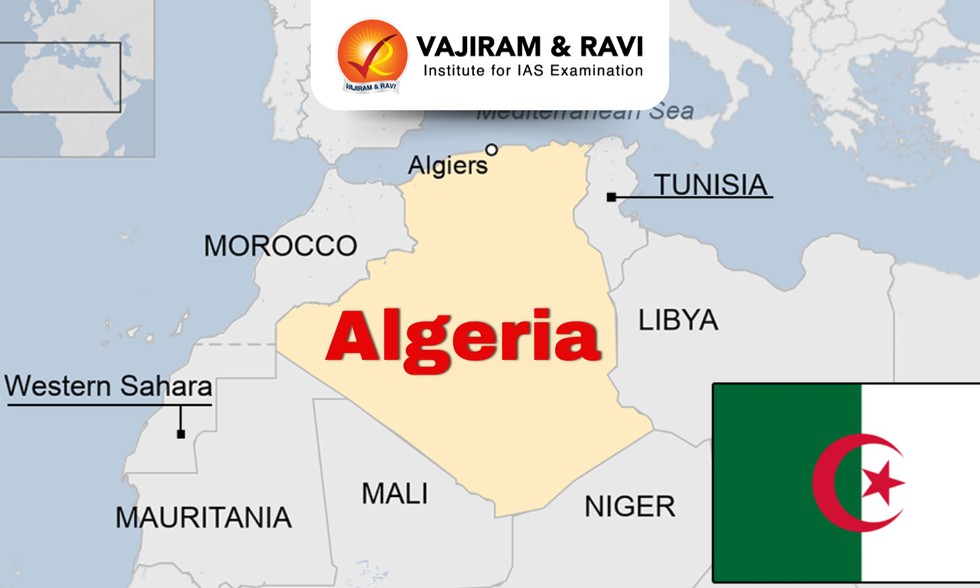
About Algeria:
- Location: It is located in the Maghreb region of North Africa.
- Bordering countries: It is bordered by seven countries namely Tunisia, Libya, and Niger to the northeast, east, and southeast respectively; Mali, Mauritania, and Western Sahara lie to the southwest. Morocco borders to the west.
- Maritime Border: It has a coastline on the Mediterranean Sea to the north.
- Capital City: Algiers
- Geographical Features of Algeria:
- Climate: It mainly consists of Mediterranean climate, with warm, dry summers and mild, rainy winters.
- Major Rivers: Djedi River and Chelif River
- Highest Point: Mount Tahat
- Mountain Ranges: Mountain ranges in Algeria include the Atlas mountains, the Saharan Atlas, the Tell Atlas, the Hoggar Mountains, and the Tassili n' Ajjer mountains.
- Natural Resources: It has abundant natural resources including oil, gas, solar energy, iron, zinc, lead, silicon, and helium.
Prelims Pointers
April 2, 2026
About Rebate of State and Central Taxes and Levies (RoSCTL) Scheme:
- It is operational since 2019.
- It aims to reimburse all embedded State and Central Taxes/Levies for exports of manufactured goods and garments.
- It has been established as a successor for the old “Rebate of State Levies (RoSL) Scheme.
- The difference between RoSL & RoSCTL Scheme is that under the RoSL Scheme, there was no benefit on the central tax and Levies. But in the RoSCTL scheme, the exporter will get rebate of both State and Central tax and Levies.
- Objective: To compensate for the State and Central Taxes and Levies in addition to the Duty Drawback Scheme on export of apparel/ garments and Made-ups by way of rebate.
- Features of RoSCTL Scheme:
- The rebate under the Scheme shall be in the form of duty credit scrips.
- The scrips shall be issued electronically on the Customs system.
- The duty credit scrips shall be used for payment of Basic Customs Duty on import of goods. These scrips shall be freely transferable.
- The duty credit available in an e-scrip shall be transferred at a time for the entire amount in the said e-scrip to another person and transfer of the duty credit in part shall not be permitted.
- Validity of e-scrip: The period of validity of the e-scrip, of one year from its creation, shall not change on account of transfer of the e-scrip.
- Eligibility: All exporters of garments/Apparel and made-ups manufactured in India are eligible to take benefit under this scheme, except entities/ IECs under the Denied Entity List of the Directorate General of Foreign Trade (DGFT).
- Implementing agency: It is implemented by the Department of Revenue, Ministry of Finance.
Prelims Pointers
April 2, 2026
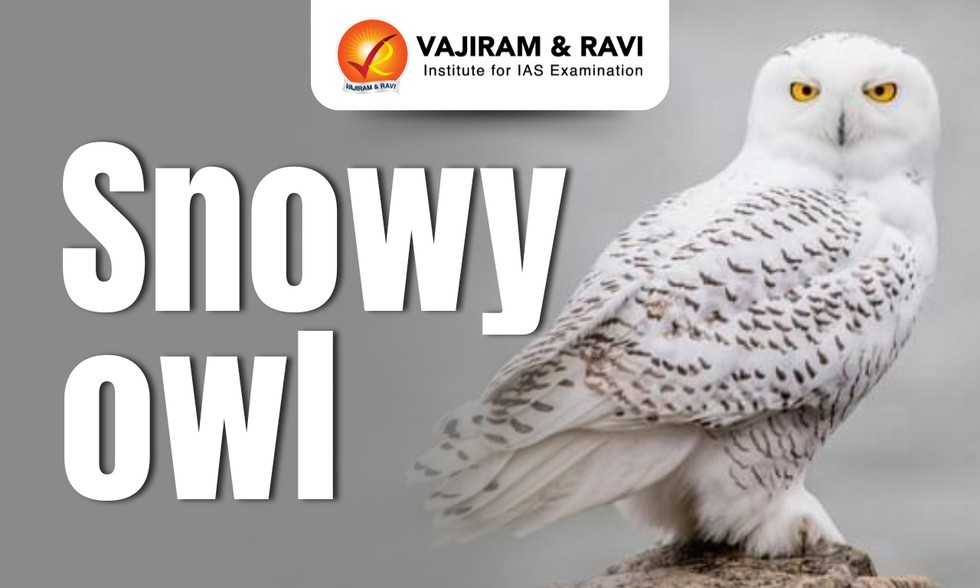
About Snowy owl:
- The Snowy owl (Bubo scandiacus) is a large, white owl of the true owl family.
- Habitat: It is mainly live in the Arctic in open, treeless areas called tundra.
- It can also be found in coastal dunes and prairies, open moorland, meadows, marshes, and agricultural areas.
- Distribution: It is native to Arctic regions in North America and Eurasia.
- Characteristics of Snowy owl:
- Unlike many other owls, Snowy owls are not nocturnal, and can be seen hunting any time of the day or night.
- It is a nomadic bird, rarely breeding at the same locations or with the same mates on an annual basis and often not breeding at all if the prey is unavailable.
- Diet: These are carnivores and feed on a wide variety of small mammals such as lemmings, meadow voles etc.
- They use a ‘wallop’ hunting method - swooping down and
snatching prey with their strong talons.
- They use a ‘wallop’ hunting method - swooping down and
- Conservation Status
- IUCN Red List: Vulnerable