Jan. 31, 2026
Prelims Pointers
Jan. 31, 2026
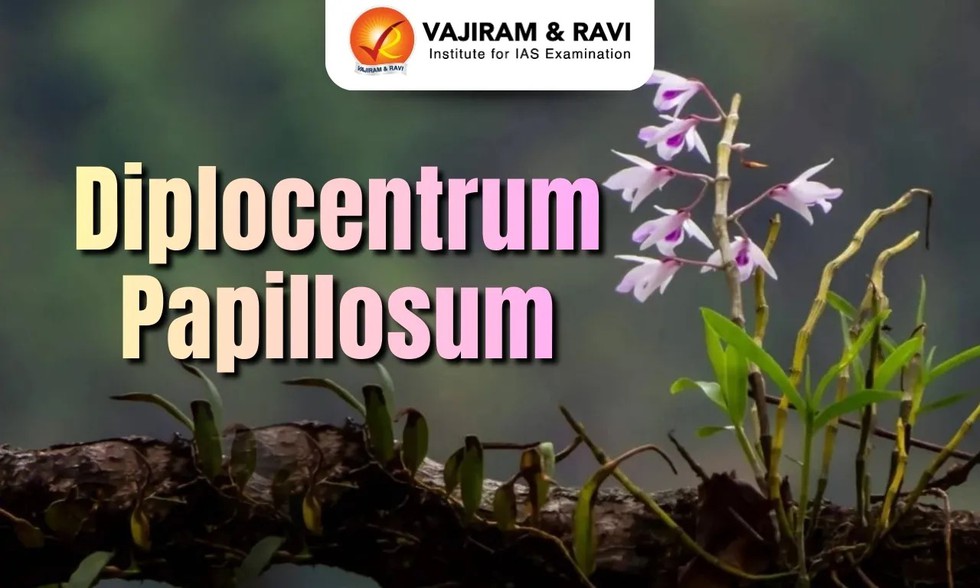
About Diplocentrum papillosum:
- It is a new species of orchid.
- It was discovered in the Idukki district, Kerala.
- Belonging to the Diplocentrum genus, which is found only in the southern ranges of the Western Ghats, the plant has been scientifically named Diplocentrum papillosum, distinguished by the unique characteristics of its flower
- This orchid thrives on rocks and tree branches, with strong roots that help it withstand powerful winds.
- The specific epithet ‘papillosum’ refers to the papillose character of the flower, which is unique to the Diplocentrum species.
Prelims Pointers
Jan. 31, 2026

About Exercise Agni Pariksha:
- It is a joint training exercise involving personnel from the Indian Army and the Indo-Tibetan Border Police (ITBP).
- Location: Arunachal Pradesh
- This first-of-its-kind initiative aimed to enhance inter-force combat synergy and operational integration.
- The primary objective of the exercise was to familiarise non-artillery personnel with artillery procedures, coordination mechanisms, and the execution of firing missions, thereby improving their understanding of firepower integration in dynamic combat scenarios.
Prelims Pointers
Jan. 31, 2026
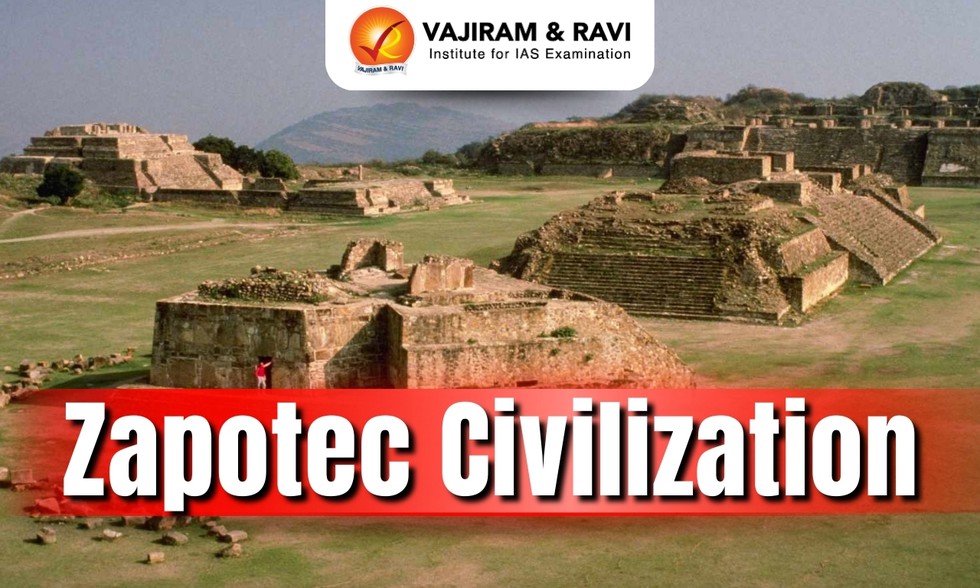
About Zapotec Civilization:
- The Zapotec civilization thrived in the Valley of Oaxaca, Mexico, characterized by its high elevation and reliance on irrigation from the Atoyac River and its tributaries.
- Emerging from hunter-gatherer societies, the Zapotecs transitioned to agriculture, developing skills in weaving, pottery, and stone masonry.
- By the Classic period (200 BCE-100 CE), they established a highly centralized state, with Monte Albán as their capital, featuring impressive public architecture and a distinct social hierarchy separating nobles from commoners.
- This society was marked by a professional priesthood and a state religion, where rituals included human sacrifice and complex ceremonies.
- The Zapotecs also innovated in calendar systems and writing, contributing to Mesoamerican culture.
- The Zapotec state was one of the earliest examples of centralized government in Mesoamerica.
Prelims Pointers
Jan. 31, 2026
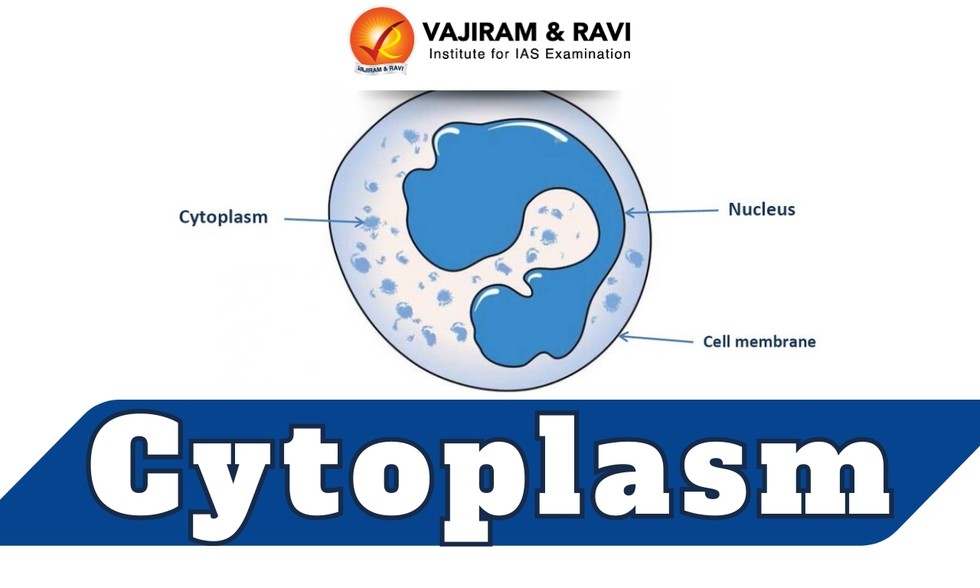
About Cytoplasm:
- Cytoplasm is a thick solution that fills each cell and is enclosed by the cell membrane.
- It is mainly composed of water, salts and proteins.
- In eukaryotic cells (i.e., cells having a nucleus), the cytoplasm includes all of the material inside the cell but outside the nucleus, which contains its own watery substance called nucleoplasm.
- All of the organelles in eukaryotic cells are located in the cytoplasm. The cytoplasm helps to keep them in place.
- Among such organelles are the mitochondria, which are the sites of energy production through ATP (adenosine triphosphate) synthesis;
- the endoplasmic reticulum, the site of lipid and protein synthesis;
- the Golgi apparatus, the site where proteins are modified, packaged, and sorted in preparation for transport to their cellular destinations;
- lysosomes and peroxisomes, sacs of digestive enzymes that carry out the intracellular digestion of macromolecules such as lipids and proteins;
- The portion of the cytoplasm surrounding organelles is called cytosol, which is the liquid part of the cytoplasm.
- Cytoplasm is also the site of most metabolic activities in the cell, and it allows materials to pass easily throughout the cell.
- Although cytoplasm may appear to have no form or structure, it is actually highly organized.
- A framework of protein scaffolds called the cytoskeleton provides the cytoplasm and the cell with their structure.
- Though prokaryotic cells do not have organelles (they do have ribosomes), they still have cytoplasm.
Prelims Pointers
Jan. 31, 2026
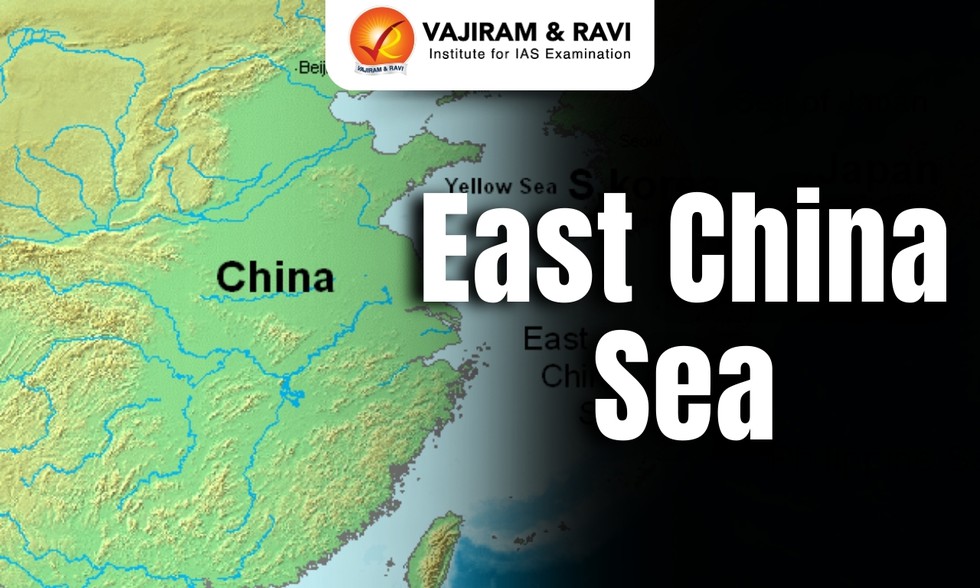
About East China Sea:
- It is a marginal sea of the Western Pacific Ocean, located in East Asia.
- It extends northeastward from the South China Sea, to which it is connected by the shallow Taiwan Strait between Taiwan and mainland China.
- The Korea Strait connects it to the Sea of Japan.
- To the north, the East China Sea opens up into the Yellow Sea.
- The East China Sea and the South China Sea together form the China Sea.
- The countries which border the sea include South Korea, Japan, the Republic of China (Taiwan), and the People’s Republic of China.
- Rivers: The Yellow River (Huanghe) and the Yangtze River (Changjiang) discharge into the East China Sea.
- Weather in the region is dominated by the monsoon winds.
- The region is influenced by the Tsushima and Kuroshio Currents as well as by a strong upwelling area northeast of Taiwan.
- Islands: The sea contains several islands, with the most significant being the Ryukyu Islands, which are part of Japan, and the Senkaku/Diaoyu Islands.
- China, Taiwan, and Japan all claim sovereignty over the Senkaku islands, which are under Japanese administration.
Prelims Pointers
Jan. 31, 2026

About Punjabi Folk Orchestra:
- It is a unique ensemble developed using a wide range of traditional Punjabi folk instruments such as Dhol, Dholki, Taal-Koze, Tansari, Flute, Nagara, Chimta, Sap, Kara, and Vanjli.
- It brings together rhythmic, melodic, and percussive folk instruments into a single, structured musical presentation.
- Traditional Punjabi folk melodies have been thoughtfully composed and arranged for orchestral performance, preserving their authentic folk essence while presenting them in a collective and harmonious form.
- Performance: The orchestra is performed by a group of twelve students, each playing a specific instrumental role.
- Their performance highlights teamwork, coordination, and a deep understanding of Punjabi folk music traditions.
What is Qalandri Dhamal?
- It is a traditional Sufi folk dance of Sindh and Punjab.
- Qalandri Dhamal is a devotional dance expressing love and surrender to God and Sufi saints, most notably associated with the shrine of Lal Shahbaz Qalandar in Sehwan Sharif.
Prelims Pointers
Jan. 31, 2026

About Hanle Dark Sky Reserve:
- Location: It is located in the remote Changthang region of Ladakh.
- It is part of the Changthang Wildlife Sanctuary, offering Bortle-1 dark skies (the darkest category).
- It is India’s first International Dark Sky Reserve, centred around the Indian Astronomical Observatory (IAO) at Hanle.
- It is managed by the Indian Institute of Astrophysics (IIA) under the Department of Science and Technology (DST), Ministry of Science & Technology
- The reserve aims to curb light pollution and promote astro-tourism benefiting local communities.
- The reserve is a science-driven socio-economic development project, built on two pillars:
- Curtailing light pollution in the region
- Promoting astro-tourism for local livelihood generation
- Significance of Hanle: Hanle’s pristine dark skies and transparent atmosphere allow observing and photographing faint celestial objects that are often impossible from other locations in India.
Prelims Pointers
Jan. 31, 2026

About Coking Coal:
- It is a naturally occurring sedimentary rock found within the earth’s crust.
- It is also known as Metallurgical coal.
- Characteristics: It is a type of coal that softens and swells when heated, forming lightweight, porous coke particles, and is characterized by a free swelling index of 1 or greater.
- It typically contains more carbon, less ash, and less moisture than thermal coal, which is used for electricity generation.
- Coke is the main product of the high-temperature carbonisation of coking coal.
- Coking coal is divided into 3 sub-categories namely,
- Primary Coking Coal (Low ash , low Volatile, High Coking property)
- Medium Coking Coal (low ash, medium volatile, low caking index)
- Blendable/ Semi/Weak Coking Coal (low ash, high volatile, very low caking index).
- Global Producers: The largest producers of coking coal were China, Australia, Russia, USA and Canada.
- In India coking coal resources are largely located in Jharkhand, with additional reserves in Madhya Pradesh, West Bengal and Chhattisgarh.
- Uses of Coking Coal:
- It is essential for metallurgical processes, as it exhibits caking properties that allow it to fuse into a solid mass during heating.
- It is an essential ingredient in the production of steel, making it one of the most widely used building materials on earth.
Prelims Pointers
Jan. 31, 2026
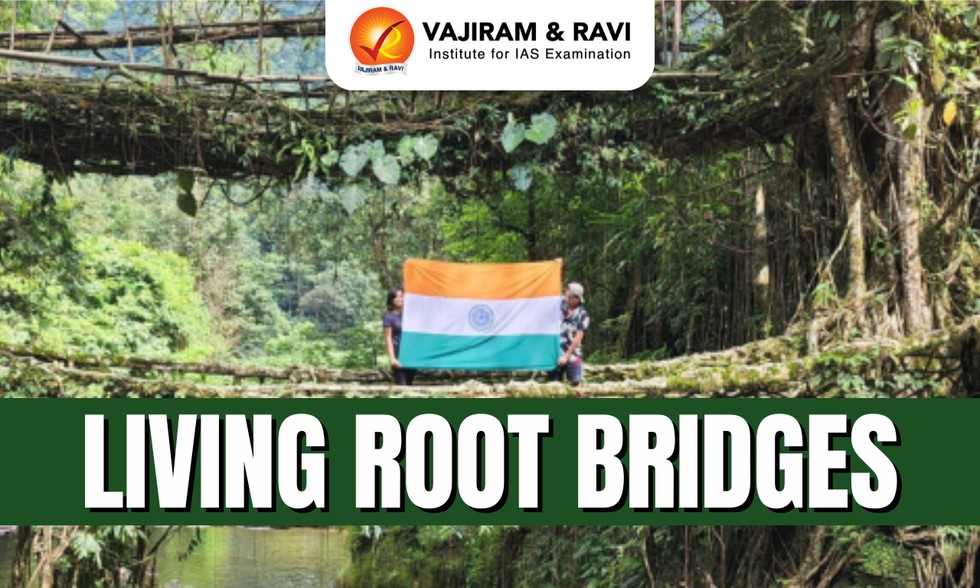
About Living Root Bridges:
- The living root bridges are locally known as Jingkieng Jri or Lyu Chrai.
- These are nestled across the lush southern slopes of the Khasi and Jaintia Hills in Meghalaya.
- These are masterpieces of bioengineering created by indigenous Khasi and Jaintia tribes over a time period of 15 to 30 years.
Prelims Pointers
Jan. 31, 2026
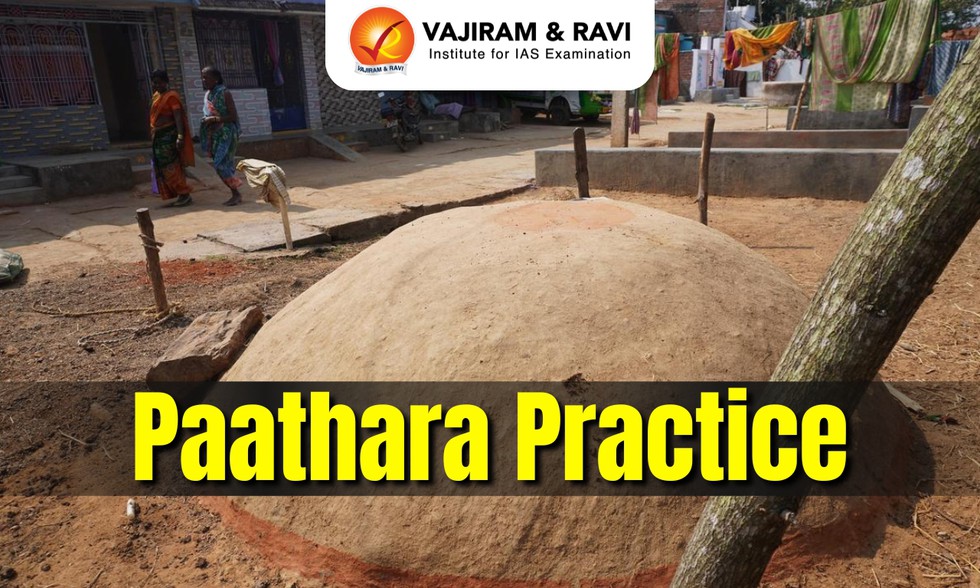
About Paathara Practice:
- It is an ancestral practice of underground grain storage
- In the storage pit freshly harvested grains, mostly paddy, are stored.
- It is observed by farmers along the banks of the Mahendratanaya River in the Uddanam region of Srikakulam district, near the Andhra Pradesh–Odisha border.
- This tradition thrived in the inland, hilly terrain, where underground grain storage was effective.
- Key Features of Paathara Practice:
- Structure: The pit is dug in a rectangular shape, plastered with straw and clay, and sealed with a layer of cow dung on top.
- The Paathara was built in front of thatched houses and was an integral part of rural architecture, symbolising a thriving joint family system.
- Every paddy-growing family stored enough grain for its annual needs.
- Advantage: The Paathara protects grain from rodents, contamination, and theft.
- Decline: Lack of space and awareness, as well as changes in rural architecture—have contributed to its decline.
Jan. 30, 2026
Prelims Pointers
Jan. 30, 2026

About NPS Swasthya Pension Scheme (NSPS):
- It is a new initiative launched by the Pension Fund Regulatory and Development Authority (PFRDA) as a Proof of Concept (PoC) under its Regulatory Sandbox Framework.
- The initiative aims to integrate health-related financial benefits with the existing National Pension System (NPS) framework.
- The scheme is designed to provide financial support for out-patient and in-patient medical expenses.
- The scheme will function as a sector-specific contributory pension scheme within the Multiple Scheme Framework (MSF) of NPS and will be offered to Indian citizens on a voluntary basis.
- It will be launched by Pension Funds after obtaining prior approval from PFRDA.
- As it is being implemented as a pilot project, only a restricted number of subscribers will be enrolled during the PoC phase.
- To facilitate the pilot, certain provisions of the PFRDA (Exits and Withdrawals under NPS) Regulations, 2015, have been relaxed.
- Pension Funds may also collaborate with FinTech firms and health service administrators to implement the scheme.
Key Features of the Scheme:
- Any Indian citizen is eligible to join the scheme, but a Common Scheme Account under NPS is mandatory.
- Subscribers can contribute any amount, in line with existing NPS guidelines applicable to the non-government sector.
- Subscribers aged above 40 years (excluding government sector subscribers) may transfer up to 30% of their contributions from the Common Scheme Account to the Swasthya Pension Scheme.
- Partial withdrawals are permitted for medical expenses up to 25% of the subscriber’s own contributions, with no limit on the number of withdrawals, subject to a minimum accumulated corpus of ₹50,000.
- In cases of critical inpatient treatment, where medical expenses exceed 70% of the available corpus, subscribers may opt for 100% premature withdrawal solely to meet such medical costs.
Claim Settlement and Safeguards:
- Amounts withdrawn under the scheme will be paid directly to the Health Benefit Administrator (HBA), Third Party Administrator (TPA), or hospital, based on valid claims and supporting bills.
- Any surplus remaining after settlement of medical expenses will be transferred back to the subscriber’s Common Scheme Account.
Prelims Pointers
Jan. 30, 2026
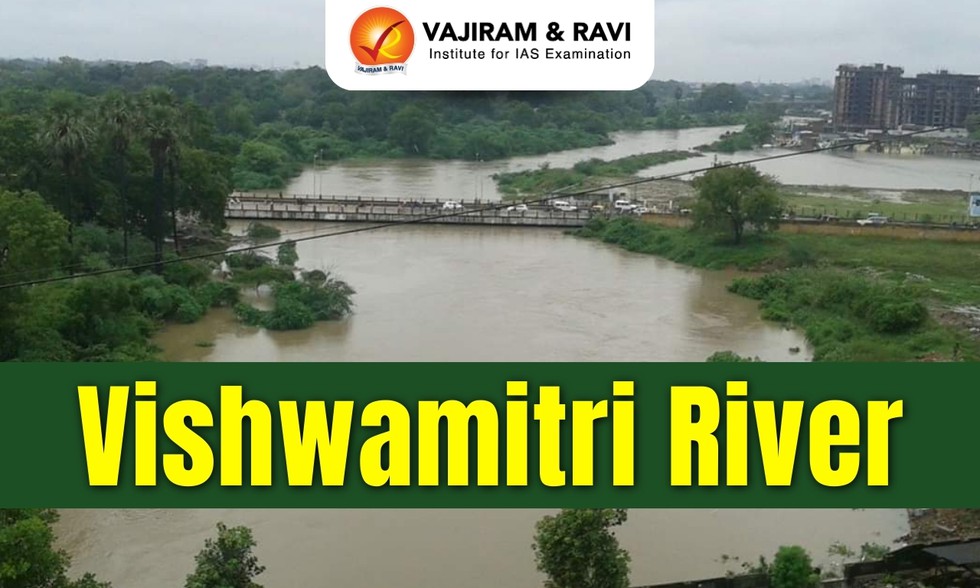
About Vishwamitri River:
- It is a small non-perennial river located in Gujarat.
- It drains into the Arabian Sea via the Gulf of Khambhat.
- The highly meandering, sinuous river has a unique ecosystem bearing a plethora of beautiful ravines right from its beginning till its end.
- Porcupines, the common Indian civet, the jungle cat, cobras, pythons, the checkered keelback, and the Bengal monitor are some of the species found in the ravines on the banks of this river.
- Vishwamitri is also where the protected and vulnerable species of the Indian crocodile (Crocodylus palustris), also known as the mugger, resides.
Key Facts about Mugger Crocodiles:
- It is one of the 24 extant species of crocodilians found globally.
- The crocodile’s common name comes from magar, which translates loosely to “water monster” in the Hindi and Urdu languages.
- Distribution:
- The mugger’s geographic range extends from extreme southeastern Iran eastward to Bangladesh and from Nepal and northern India south to Sri Lanka.
- In India its largest populations are found in the middle Ganges (Bihar-Jharkhand) and Chambal (Madhya Pradesh, Gujarat and Rajasthan) basins.
- Habitat:
- It is most commonly found in freshwater environments such as rivers, lakes, hill streams, and village ponds.
- It can live in fresh water and coastal saltwater lagoons.
- This species makes burrows on land in a wide variety of habitats.
- Conservation Status:
- IUCN Red List: Vulnerable
Prelims Pointers
Jan. 30, 2026
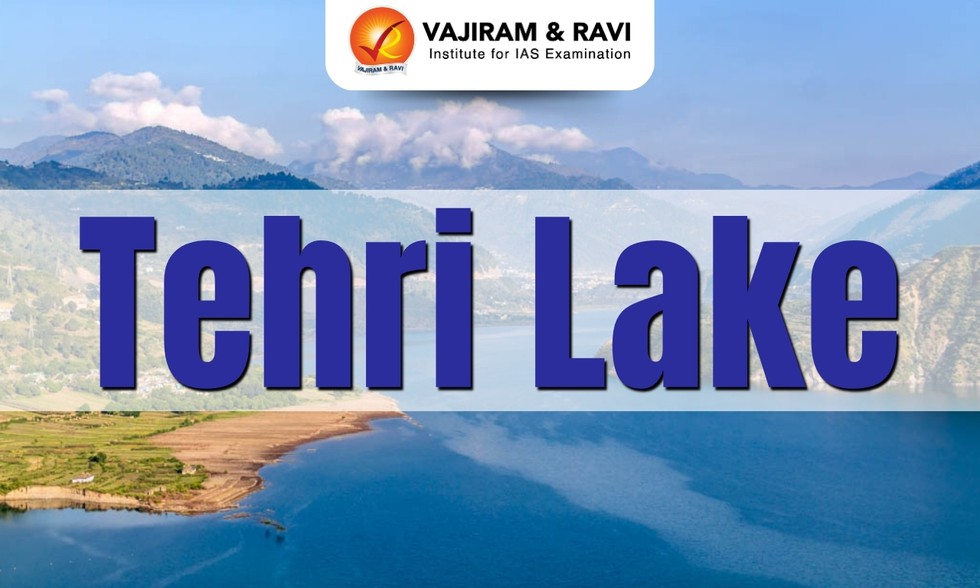
About Tehri Lake:
- It is an artificial dam reservoir located in the Tehri Garhwal town of Uttarakhand.
- It came into existence during the construction of Tehri Dam when the water from the Bhagirathi River was diverted to fill the dam reservoir.
Key Facts about Tehri Dam:
- It is a multipurpose dam built on the Bhagirathi River (one of the source streams of the Ganges River) in the Garhwal district of Uttarakhand.
- It is one of the tallest dams in the world and the tallest dam in India.
- Its primary purpose is to generate hydroelectricity.
Prelims Pointers
Jan. 30, 2026
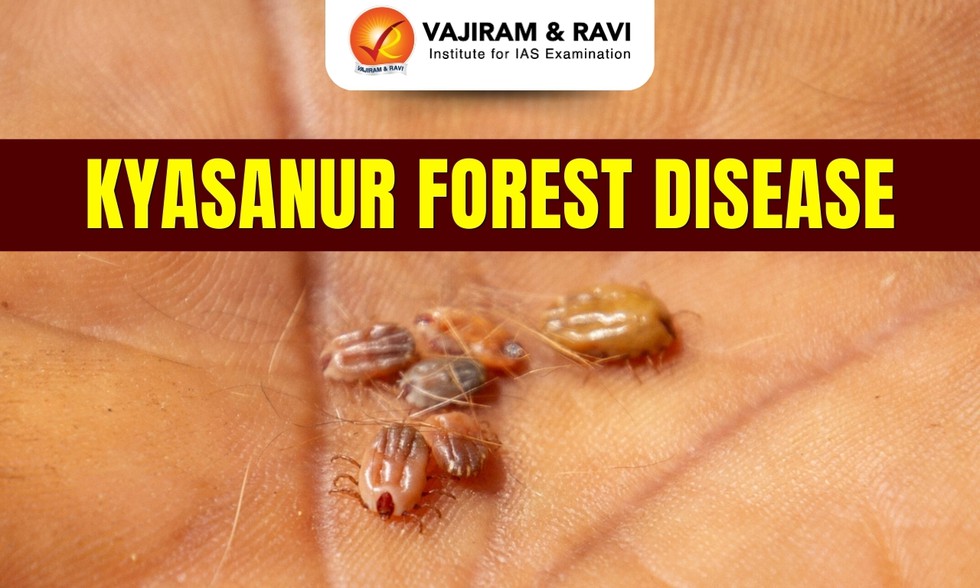
About Kyasanur Forest Disease (KFD):
- It is a tick-borne viral haemorrhagic disease mostly found in southern India.
- The disease was first reported from the Kyasanur Forest of Karnataka in India in 1957; hence, it is known as KFD.
- The causal agent, KFD Virus (family Flaviviridae, genus Flavivirus), is a member of the tick-borne encephalitis (TBE) complex.
- It is also known as “monkey disease/monkey fever” because of its association with monkey deaths.
- Transmission:
- Hard ticks (Hemaphysalis spinigera) spread the KFD virus to people and to animals, like monkeys and rodents.
- Transmission to humans may occur after a tick bite or contact with an infected animal, most importantly a sick or recently dead monkey.
- KFD does not spread between people.
- Symptoms:
- Sudden onset of high-grade fever, prostration, nausea, vomiting, diarrhea, and occasionally neurological and haemorrhagic manifestations.
- Treatment:
- There is no cure for KFD.
- Supportive care is crucial, including fluid balance, providing oxygen, managing blood pressure, and treating additional infections.
- Vaccine: A vaccine for KFD is available and recommended in the parts of India where KFD is found.
Prelims Pointers
Jan. 30, 2026

About Pechora Missile System:
- The Pechora, officially known as the S-125 Neva/Pechora, is a Soviet-origin, medium-range surface-to-air missile (SAM) system designed to intercept low- to medium-altitude targets.
- Features:
- The system consists of a radar-guided missile launcher and a fire control unit, typically employing the V-600 missile.
- It uses the 4R90 Yatagan radar, equipped with five parabolic antennas, to detect, track, and lock onto targets.
- It is particularly effective against slow-moving or low-flying targets, making it well-suited for countering drones and cruise missiles.
- It can operate independently or as part of a larger, integrated air defence network, and is capable of functioning even in environments with heavy electronic jamming.
- Range: The Pechora system has an operational firing range of up to 30–35.4 km.
- Altitude: It can engage targets flying at altitudes from as low as 20 meters up to 20–25 km, making it versatile for both low and medium-altitude threats.
- Detection: The system’s radar can detect targets up to 100 km away, providing early warning and engagement capability.
Prelims Pointers
Jan. 30, 2026

About Canada:
- Location: It is located in the northern part of North America.
- It is the second largest country in the world in area (after Russia).
- Bordered by: It shares borders with Alaska, a non-contiguous US state, to the northwest, and other US states to the south.
- The border of Canada with the US is the longest bi-national land border in the world.
- Maritime Borders: It is bounded by the Arctic Ocean to the north, by the Atlantic Ocean to the east and the Pacific Ocean to the west.
- It also shares maritime borders with the island of Greenland in the northeast and the French island regions of Saint Pierre and Miquelon in the southeast.
- Capital City: Ottawa
- Geographical Features of Canada:
- Climate: It has seven climatic regions namely, the Arctic, Subarctic, Prairie, Great Lakes, Cordilleran, plus the East and West Coasts.
- Major Mountains: Rocky Mountain, the St. Elias Mountains and the Laurentian Mountains.
- Major Rivers: Mackenzie River, Yukon River, Saint Lawrence River.
- Lakes: The five Great Lakes namely Superior, Michigan, Huron, Ontario, and Erie form a natural boundary between Canada and the United States. (Amongst these five, only Lake Michigan lies entirely within the US).
- Natural Resources: Bauxite, Iron ore, Nickel, Zinc, copper, gold, lead, uranium, rare earth elements, potash, diamonds etc.
Prelims Pointers
Jan. 30, 2026
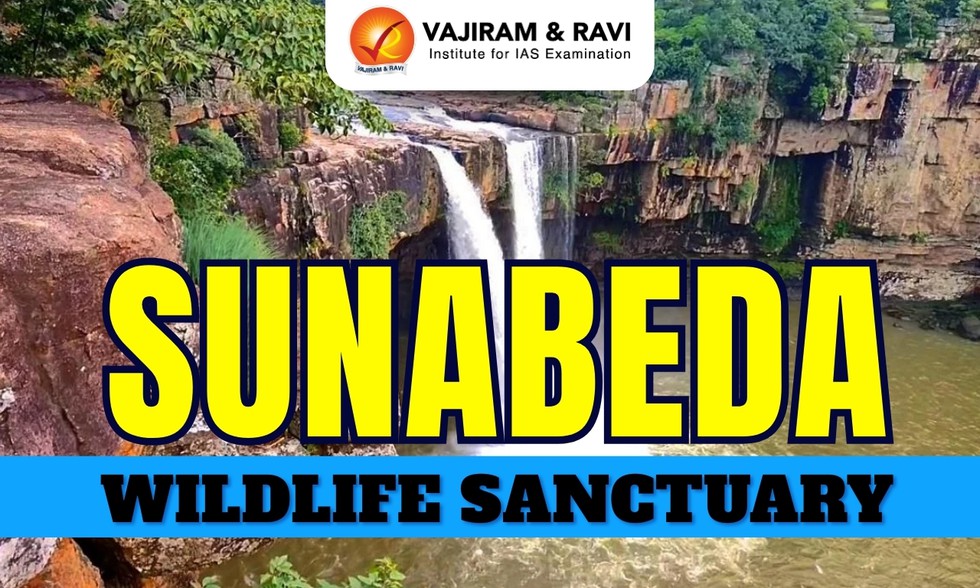
About Sunabeda Wildlife Sanctuary:
- Location: It is located in the Nuapada district of Odisha.
- It adjoins the Sitanadi and Udanti sanctuaries of Chhattisgarh.
- Terrain: The sanctuary harbors a great diversity of wildlife habitats, with a vast plateau, canyons, and waterfalls.
- Rivers: It also forms the catchment area of the Jonk River (tributary of the Mahanadi River), over which a dam has been constructed to facilitate irrigation.
- Vegetation: The important vegetation of this sanctuary comprises dry deciduous tropical forests.
- Flora: Bija, Teak, Sisoo, Asan, Dharua, Mahul, Char, Sandalwood, Sidha, etc.
- Fauna: It is an ideal habitat for the Barasingha (swamp deer).
- Other important animals found are tigers, Leopards, hyenas, Barking Deer, Chital, Gaur, Sambar, Sloth Bear, Hill Myna, etc.
Prelims Pointers
Jan. 30, 2026

About PAIMANA Portal:
- The Project Assessment, Infrastructure Monitoring & Analytics for Nation-building (PAIMANA) is a flagship initiative of the Ministry of Statistics and Programme Implementation (MoSPI).
- It functions as a centralised national repository of infrastructure projects, enabling web-generated analytical reports and enhancing data accuracy, and operational efficiency.
- It is integrated with DPIIT’s Integrated Project Monitoring Portal (IPMP/IIG-PMG) through APIs.
- Key features of the PAIMANA Portal:
- Centralized Project Monitoring: It serves as a centralized project monitoring system, providing a single-window interface for ministries, departments, and implementing agencies to upload, track, and review project information.
- Real-time Dashboards: It features real-time dashboards with drill-down capabilities, enabling users to monitor progress across sectors, states, and timelines.
- Advanced Data Analytics: It includes advanced data analytics, role-based user access, interactive dashboards.
- It is mandated to monitoring of Central Sector Infrastructure Projects worth ₹150 crore and above.
Prelims Pointers
Jan. 30, 2026

About National Legal Services Authority:
- It was established under the Legal Services Authorities (LSA) Act, 1987.
- Purpose: To provide free and competent legal services to the poor and marginalised sections of the society including Scheduled Caste (SC) and Scheduled Tribe (ST).
- Structure of Legal Services:
- NALSA is housed at Supreme Court of India, New Delhi
- In every State, a State Legal Services Authority and in every High Court, a High Court Legal Services Committee has been constituted.
- District Legal Services Authorities and Taluk Legal Services Committees have been constituted in the Districts and most of the Taluks to give effect to the policies and directions of the NALSA.
- The free legal services include:
- Payment of court fees, process fees, and all other charges payable or incurred in connection with any legal proceedings;
- Providing the service of lawyers in legal proceedings;
- Obtaining and supply of certified copies of orders and other documents in legal proceedings.
- Preparation of appeal, paper book, including printing and translation of documents in legal proceedings.
- Persons eligible for free legal services includes:
- Women and children
- Members of SC/ST
- Industrial workmen
- Victims of mass disasters, violence, flood, drought, earthquake, and industrial disaster
- Disabled persons
- Persons in custody
- Persons whose annual income does not exceed Rs. 1 lakh (in the Supreme Court Legal Services Committee the limit is Rs. 5,00,000).
Prelims Pointers
Jan. 30, 2026

About Solar Cycles:
- The solar cycle describes an approximately 11-year cycle of solar activity driven by the sun's magnetic field.
- It is indicated by the frequency and intensity of sunspots visible on the surface.
- Every 11 years or so, the Sun's magnetic field completely flips.
- This means that the Sun's north and south poles switch places.
- The solar cycle affects activity on the surface of the Sun, such as sunspots, which are caused by the Sun’s magnetic fields.
- As the magnetic fields change, so does the amount of activity on the Sun’s surface.
- It can be tracked by counting the number of sunspots.
- Cycle Stages:
- Solar minimum: It is the beginning of a solar cycle or when the Sun has the least sunspots.
- Over time, solar activity—and the number of sunspots—increases.
- Solar maximum: It is the middle of the solar cycle or when the Sun has the most sunspots.
- As the cycle ends, it fades back to the solar minimum, and then a new cycle begins.
- Impact: The solar cycle has the potential to impact Earth’s climatic conditions through changes in solar radiation, cosmic rays, and ozone distribution.
- Solar minimum: It is the beginning of a solar cycle or when the Sun has the least sunspots.
Jan. 29, 2026
Prelims Pointers
Jan. 29, 2026
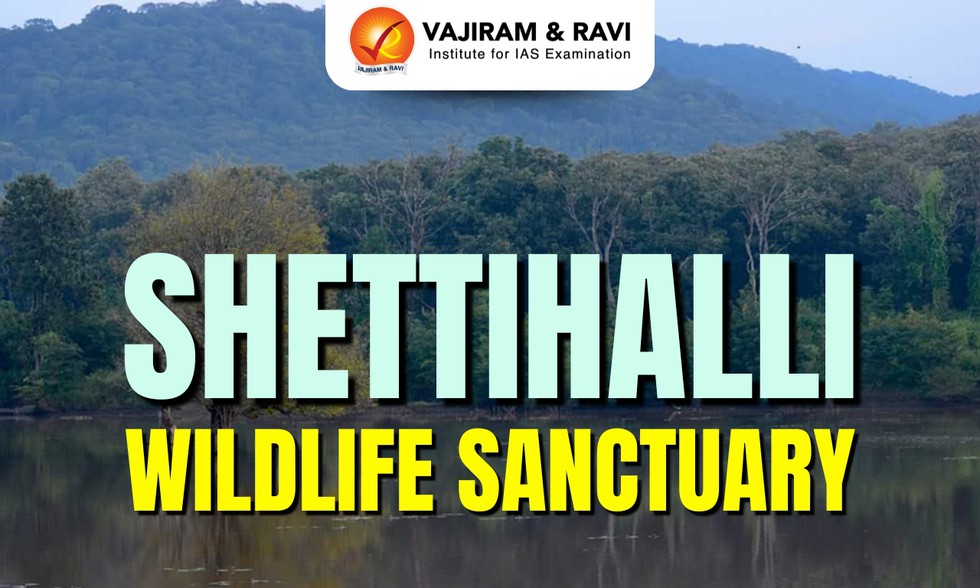
About Shettihalli Wildlife Sanctuary:
- It is located in the Shimoga District of Karnataka.
- The Tunga Anicut Dam is situated within the sanctuary.
- The Mandagadde Bird Sanctuary is also a part of the Shettihalli Wildlife Sanctuary.
- It is a popular bird nesting site situated on an island in the midst of the Tunga River.
- Vegetation:
- It is mainly covered by tropical evergreen and semi-evergreen forests.
- The eastern and central parts are mostly covered by dry and moist deciduous forests, while the western parts have semi-evergreen forests.
- Flora: Major tree species include silver oak, teak, Indian Thorny Bamboo, Calcutta Bamboo, Asan, Tectona Grandis, Sweet Indrajao, Amla, etc.
- Fauna:
- It houses mammals like Tiger, Leopard, Wild Dog, Jackal, Gaur, Elephant, Sloth Bear Sambar, Spotted Deer, Wild Pig, Common Langur, Bonnet Macaque, etc.
- Birds include Hornbills, Kingfishers, Bulbuls, Parakeets, Doves, Pigeons, Babblers, Flycatchers, Munias, Swallows, Woodpeckers, Peafowl, Jungle fowl and Partridges.
Prelims Pointers
Jan. 29, 2026
About Phosphorus :
- It is a highly reactive nonmetallic chemical element of the nitrogen family (Group 15 [Va] of the periodic table).
- It has the symbol P and atomic number 15.
- The two main forms of phosphorus are white phosphorus and red phosphorus.
- White phosphorus is a poisonous waxy solid, and contact with skin can cause severe burns. It glows in the dark and is spontaneously flammable when exposed to air.
- Red phosphorus is an amorphous, non-toxic solid.
- Uses:
- White phosphorus is used in flares and incendiary devices.
- Red phosphorus is in the material stuck on the side of matchboxes, used to strike safety matches against to light them.
- By far the largest use of phosphorus compounds is for fertilisers.
- Ammonium phosphate is made from phosphate ores.
- The ores are first converted into phosphoric acids before being made into ammonium phosphate.
- Phosphorus is also important in the production of steel.
- Phosphates are ingredients in some detergents but are beginning to be phased out in some countries.
- This is because they can lead to high phosphate levels in natural water supplies, causing unwanted algae to grow.
- Phosphates are also used in the production of special glasses and fine chinaware.
- Biological Role:
- The main function of phosphorus is in the formation of bones and teeth.
- It plays an important role in how the body uses carbohydrates and fats.
- It is also needed for the body to make protein for the growth, maintenance, and repair of cells and tissues.
- Phosphorus also helps the body make ATP, a molecule the body uses to store energy.
- Occurence:
- Because phosphorus cannot naturally occur in the environment, it is typically mined from phosphates.
- Phosphates typically accumulate at the bottom of rivers and lakes, within different rocks, and in large mineral deposits around the world.
- Natural phosphates exist inside every living thing. They comprise DNA, RNA, ATP, phospholipids, and other compounds crucial for cellular function and, by extension, life.
- The main food sources are the protein food groups of meat and milk, as well as processed foods that contain sodium phosphate.
Prelims Pointers
Jan. 29, 2026

About Shiveluch Volcano:
- It is one of the largest and most active volcanoes located on Russia's Kamchatka Peninsula, one of the most intense volcanic regions in the world.
- It is a stratovolcano—a steep-sloped volcano composed of alternating layers of solidified ash, hardened lava, and volcanic rocks.
Key facts about Kamchatka Peninsula:
- It lies in far eastern Russia, between the Sea of Okhotsk on the west and the Pacific Ocean and Bering Sea on the east.
- It is one of the world’s most concentrated areas of geothermal activity.
- The Kuril Island chain runs from the southern tip of the peninsula to a short distance from Japan’s northern Hokkaido Island.
- The volcanoes of Kamchatka have been a UNESCO World Heritage Site since 1996.
Prelims Pointers
Jan. 29, 2026
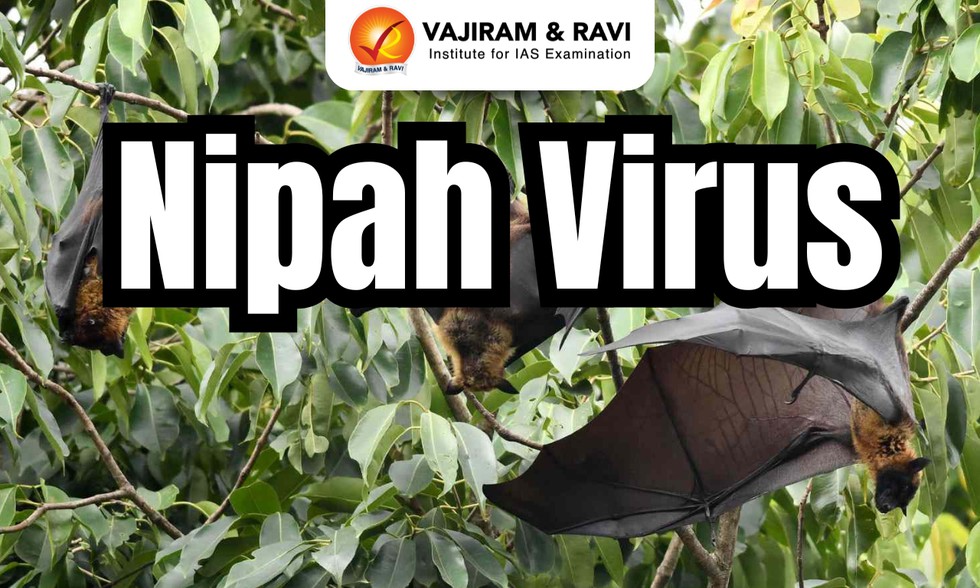
About Nipah Virus:
- Nipah virus (NiV) is a zoonotic virus (it is transmitted from animals to humans) and can also be transmitted through contaminated food or directly between people.
- Fruit bats of the Pteropodidae family are the natural hosts of Nipah virus.
- In infected people, it causes a range of illnesses from asymptomatic (subclinical) infection to acute respiratory illness and fatal encephalitis.
- NiV infection is one of the priority diseases on the World Health Organization (WHO) R&D Blueprint because of its epidemic or pandemic potential.
- Symptoms:
- Infected people initially develop symptoms including fever, headaches, myalgia (muscle pain), vomiting and sore throat.
- Treatment:
- There are no specifically approved treatments or vaccines available for NiV infection, either for people or animals.
- Intensive supportive care is recommended to treat severe respiratory and neurologic complications.
Prelims Pointers
Jan. 29, 2026
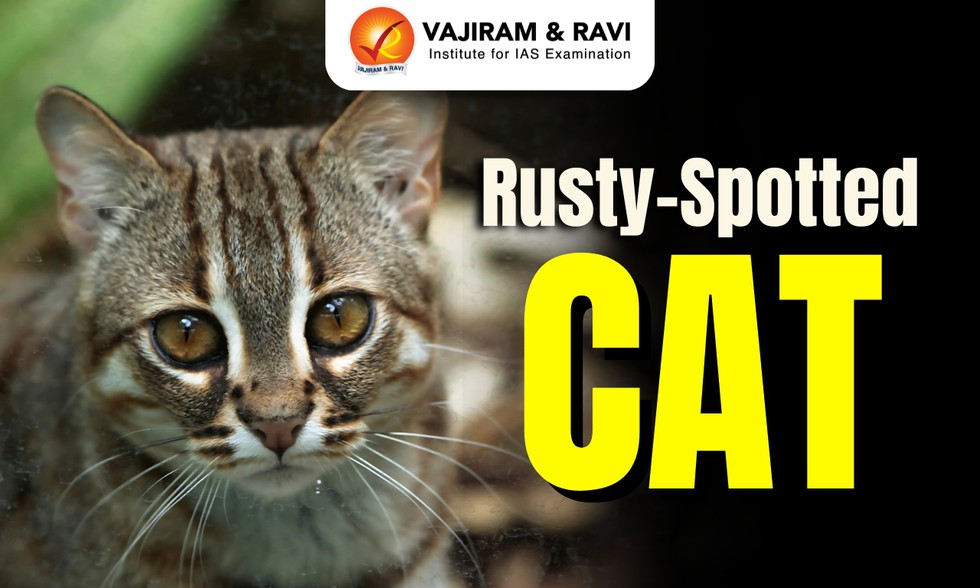
About Rusty-Spotted Cat:
- It is the world’s smallest and lightest known cat.
- Scientific Name: Prionailurus rubiginosus.
- Distribution:
- The species has been recorded in dry deciduous and semi-deciduous forests in northern and central India, Western Ghats, Kachchh and Rajasthan, and peninsular India, besides Nepal and Sri Lanka.
- Conservation Status:
- IUCN Red List: Near Threatened.
Prelims Pointers
Jan. 29, 2026

About Sea of Japan:
- Location: The Sea of Japan, or East Sea, is a marginal sea of the western Pacific Ocean.
- It is bound by Japan and Sakhalin to the east and by mainland Russia, North Korea, and South Korea to the west.
- Connections
- It is connected with the East China Sea via the Tsushima and Korea straits and with the Okhotsk Sea in the north by the La Perouse and Tatar straits.
- In the east, it is connected with the Inland Sea of Japan via the Kanmon Strait and the Pacific Ocean by the Tsugaru Strait.
- Major Ports:
- Russia: Vladivostok, Sovetskaya Gavan, Nakhodka, Alexandrovsk-Sakhalinsky, and Kholmsk.
- North Korea: Hamhung, Chongjin, and Wonsan.
- Japan: Niigata, Tsuruta, and Maizuru.
Prelims Pointers
Jan. 29, 2026
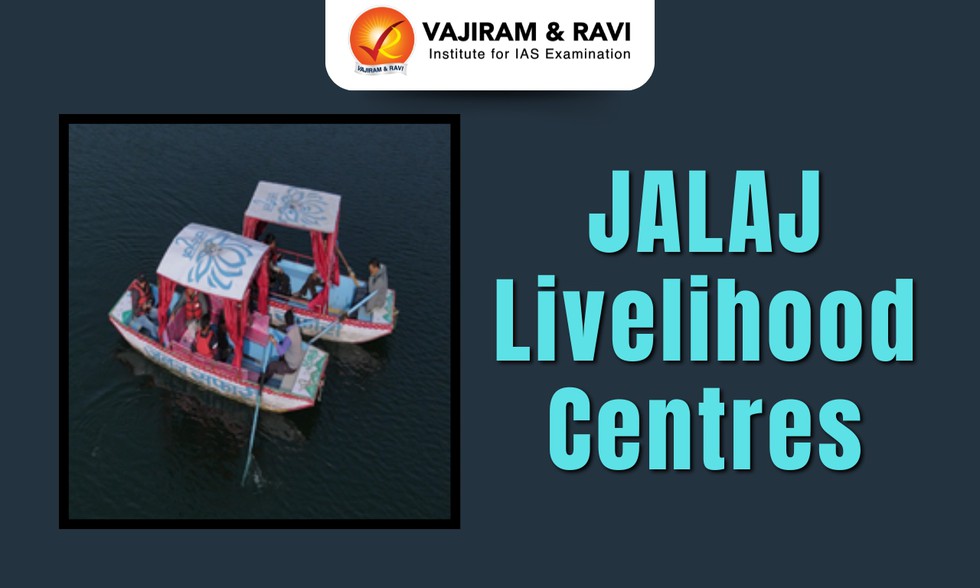
About JALAJ Livelihood Centres:
- It is a joint initiative of the Namami Gange Mission and the Wildlife Institute of India (WII).
- Aim: It is aimed at integrating river conservation with sustainable livelihoods in the Ganga river basin.
- Jalaj is based on the circular economy model where the local people will be trained in sustainable livelihood practices and mobilized to contribute to biodiversity conservation and clean river ecosystem.
- Features of JALAJ Livelihood Centres:
- The initiative promotes community ownership of conservation efforts while creating dignified livelihood opportunities, with a special focus on women’s participation.
- It is a concept to establish symbiotic linkages between river and people.
- The Jalaj sites are established at different locations in the Ganga basin represent the culture and communities indigenous to that area.
- These are established as holistic Centres of overall community well-being, conservation education and livelihood trainings.
- It will have facilities for dissemination of the information on aquatic biodiversity conservation, livelihood training and sale centres for the products developed by livelihood trainees.
Prelims Pointers
Jan. 29, 2026

About Deuteron:
- A deuteron is a stable isotope of hydrogen with a nucleus containing one proton and one neutron.
- It is denoted by the symbol “²H” or “D”.
- It is found in small amounts in natural water and in the atmosphere of Jupiter and Saturn.
- Applications of Deuteron:
- It is used in the production of heavy water, which is used as a moderator in nuclear reactors.
- It is used in the production of deuterium, which is used as a fuel in fusion reactors.
- It is used in the production of tritium, which is used in nuclear weapons.
Prelims Pointers
Jan. 29, 2026

About Scabies:
- It is a contagious parasitic skin infestation that occurs in all parts of the world.
- Scabies is caused by a tiny bug, the Sarcoptes scabiei mite that burrows under the skin, causing an itchy rash.
- It is more common in hot, tropical countries like India.
- Transmission: Scabies spreads easily in crowded conditions and generally through close, direct contact with an infected person, and sometimes through shared clothing and bedding.
- Symptom: The most common symptom is an intense itchy rash that may become worse at night.
- Treatment: Treatment of scabies is usually with topical creams and oral medication.
- The World Health Organization classified scabies as a neglected tropical disease due to its significant burden on impoverished and vulnerable populations.
Prelims Pointers
Jan. 29, 2026
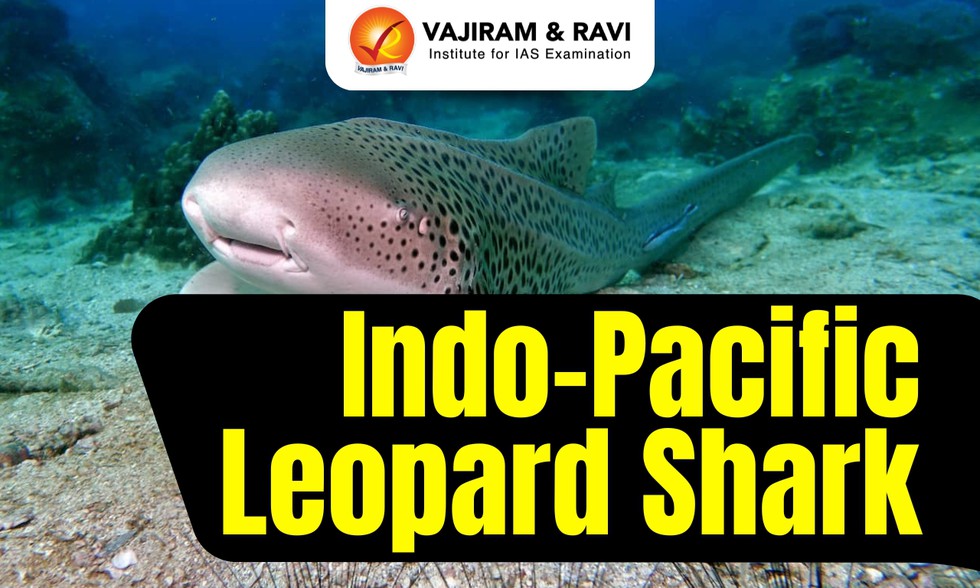
About Indo-Pacific Leopard Shark:
- Indo-Pacific leopard sharks are also called zebra sharks.
- Their names come from their distinctive patterning, which changes over time.
- These are slow-swimming reef sharks whose bodies have either a spotted or striped pattern depending on their age.
- Habitat: Found in tropical waters of the Indo-Pacific usually in the coastal waters.
- Conservation Status:
- IUCN: Endangered
Jan. 28, 2026
Prelims Pointers
Jan. 28, 2026
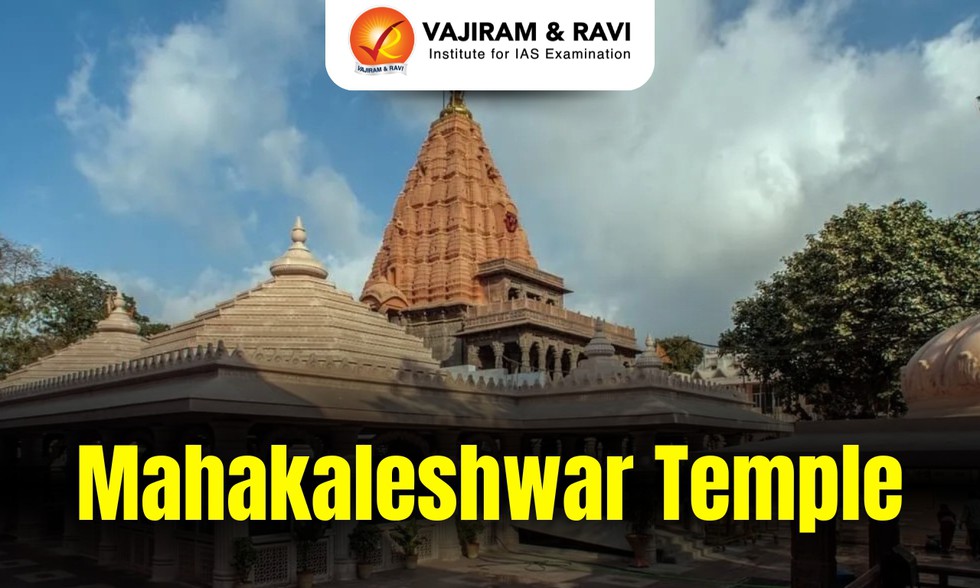
About Mahakaleshwar Temple:
- It is a Hindu temple located on the banks of the River Shipra at Ujjain in Madhya Pradesh.
- It is dedicated to Lord Shiva. It is one of the 12 Jyotirlingas in India.
- The history of Mahakaleshwar Temple dates back to ancient times, with references to the temple found in various Hindu scriptures and texts.
- The temple finds mention in the Puranas.
- The renowned poet Kalidas also mentioned this temple in his creations.
- The current structure of the temple was built in the 18th century by the Maratha ruler Ranoji Shinde.
- However, the temple has been destroyed and rebuilt several times throughout history.
- Architecture:
- The architecture of the temple shows the influence of Maratha, Bhumija, and Chalukya styles of structural design.
- The temple complex is spread over five levels, one of which is underground.
- The Sabha Mandap (assembly hall) and Garbha Griha (sanctum sanctorum) are adorned with elaborate sculptures depicting various Hindu deities and mythological scenes.
- The sanctum houses the Jyotirlinga, which is the focal point of devotion and rituals.
- The grand spire (shikhara), intricately carved pillars, and ornate ceilings are proof of the exquisite craftsmanship.
Prelims Pointers
Jan. 28, 2026

About Euratom:
- The European Atomic Energy Community (Euratom) is an international organization established under the Treaty of Rome in 1957.
- Objective: To form a common market for the development of the peaceful uses of atomic energy.
- Membership:
- The original members were Belgium, France, West Germany, Italy, Luxembourg, and the Netherlands.
- It subsequently came to include all members of the European Union (EU).
- Euratom regulates the European civil nuclear industry, which produces almost 30% of energy in the EU.
- Euratom’s work safeguards nuclear materials and technology, facilitates investment, research, and development, and ensures equal access to nuclear supplies, as well as the correct disposal of nuclear waste and the safety of operations.
- It is governed by the Commission and Council, operating under the jurisdiction of the European Court of Justice.
- Its main instruments are the Euratom Supply Agency and its research and nuclear safeguard activities.
- The EU has its own Joint Research Centre (JRC) in the nuclear field.
- Euratom is involved in developing atomic fusion technology, which has the potential of delivering abundant sustainable energy in the future.
Prelims Pointers
Jan. 28, 2026
About Doomsday Clock:
- It is a symbolic clock adopted by atomic scientists to show how close human beings are considered to be to a global catastrophe, with midnight standing for annihilation, or “doomsday.”
- Metaphorically, the clock’s minute hand moves closer to or farther from midnight, depending on the level of threat thought to be posed by nuclear weapons, climate change, or disruptive technologies.
- The clock was created in 1947 by the Bulletin of the Atomic Scientists (BAS), which was founded two years earlier.
Key Facts about Bulletin of the Atomic Scientists (BAS):
- It is a nonprofit organization that sought to warn the public about the danger of nuclear weapons.
- The Bulletin was founded by a group called the Atomic Scientists of Chicago in September 1945 at the University of Chicago.
- Its founding members and sponsors were scientists who had contributed to the development of the first atomic bombs as part of the Manhattan Project, including physicists Albert Einstein, J. Robert Oppenheimer, and Eugene Rabinowitch.
- Concerned about the devastating consequences of this new technology, the group published their first newsletter, the Bulletin of the Atomic Scientists, in December 1945.
Prelims Pointers
Jan. 28, 2026
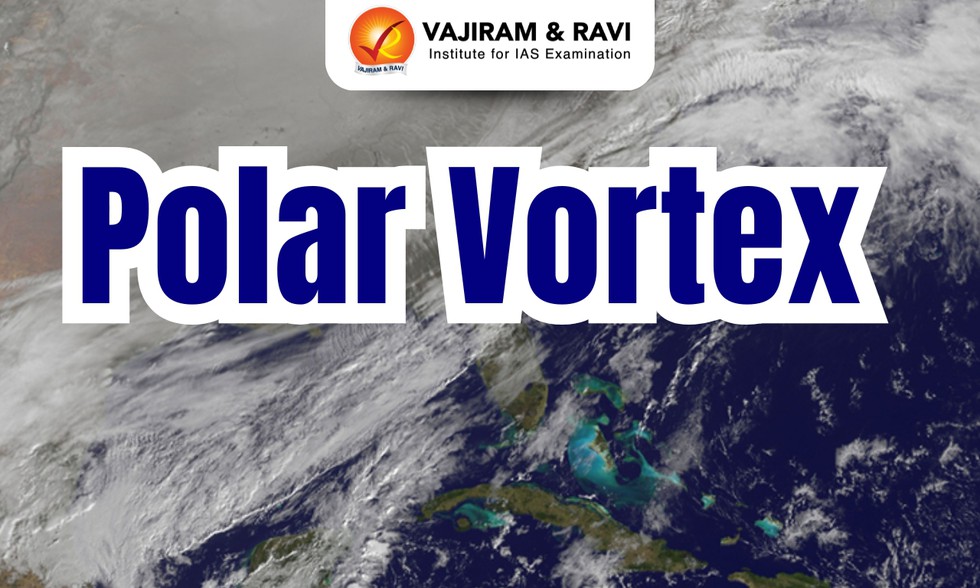
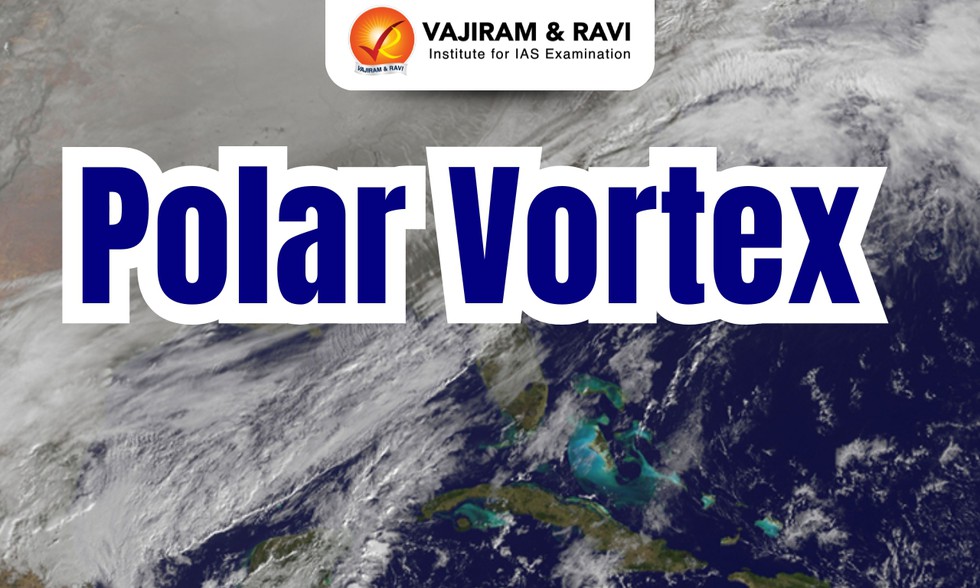
About Polar Vortex:
- The polar vortex is a large area of low pressure and cold air surrounding the Earth’s poles.
- The polar vortex extends from the tropopause (the dividing line between the stratosphere and troposphere) through the stratosphere and into the mesosphere.
- The term “vortex” refers to the counter-clockwise flow of air that helps keep the colder air near the Poles.
- These winds circulate and form a vortex near the North and South Poles of the planet.
- The strength of the polar vortex varies with the season, but it is strongest during the winter season in each hemisphere, when the temperature contrast between the pole and the Equator is greatest.
- It may weaken or disappear entirely during the warmer months of the year.
- Many times, during winter in the northern hemisphere, the polar vortex will expand, sending cold air southward with the jet stream.
- This occurs fairly regularly during wintertime and is often associated with large outbreaks of Arctic air in the United States.
- Portions of Europe and Asia also experience cold surges connected to the polar vortex.
- By itself, the only danger to humans is the magnitude of how cold temperatures will get when the polar vortex expands, sending Arctic air southward into areas that are not typically that cold.
- The Antarctic polar-front jet stream is more uniform and constant than its Arctic counterpart, because Antarctica is surrounded by ocean rather than a mix of land and water.
- Cold-air outbreaks, however, do occur in the Southern Hemisphere, but they are less frequent and strike heavily populated areas less frequently.
Prelims Pointers
Jan. 28, 2026
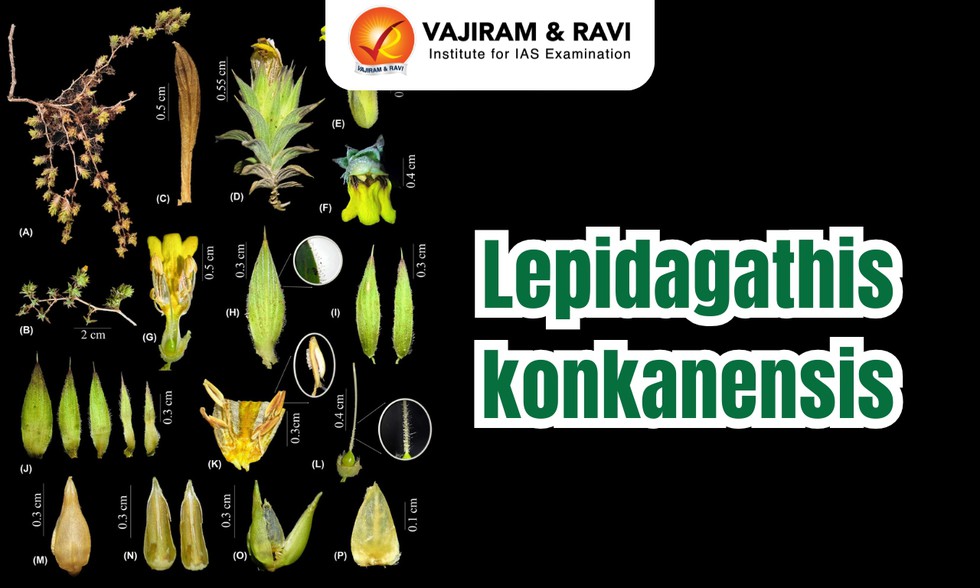
About Lepidagathis konkanensis:
- It is a new species of flowering plant.
- It was discovered in the Ratnagiri district in Maharashtra’s Konkan region.
- It was first encountered during a floristic survey of the region’s lateritic plateaus, harsh, iron-rich environments that often host specialised life forms.
- It is unique with its striking appearance and compact size.
- The plant’s name, konkanensis, serves as a tribute to the Konkan region of Maharashtra where it was found.
- It has been classified as Data Deficient by the IUCN.
Prelims Pointers
Jan. 28, 2026
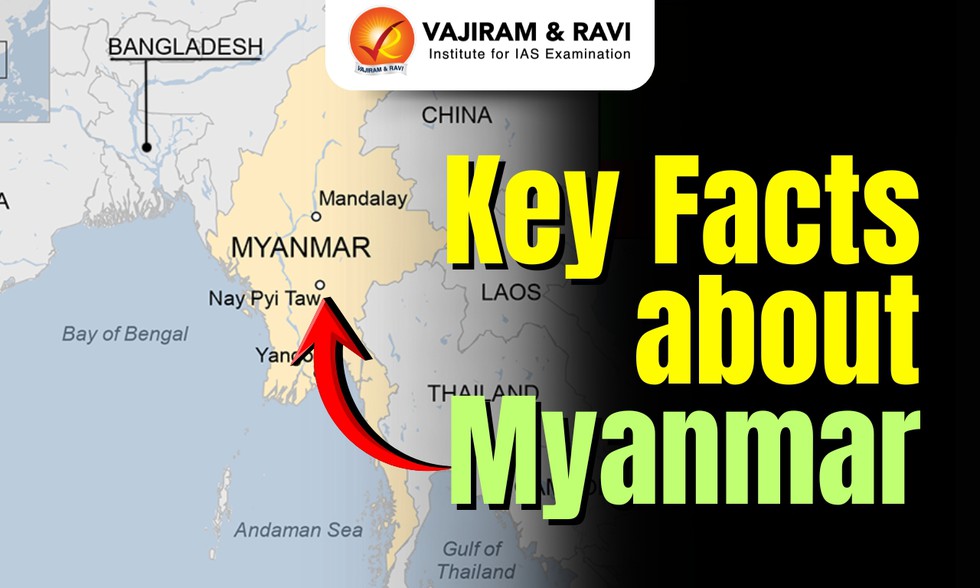
About Myanmar:
- It is the northernmost country of Southeast Asia.
- Bordering Countries: It is bordered by India, Bangladesh, China, Laos and Thailand.
- Maritime Borders: It is bounded by the Andaman Sea in the south and by the Bay of Bengal in the southwest.
- Capital City: Naypyidaw
- Geographical Features of Myanmar
- Climate: Tropical monsoon
- Mountain ranges: It consists of Bago Yoma, Rakhine Yoma, and Shan Hills.
- Highest Point: Hkakabo Razi.
- Major Rivers: It is drained by Mekong, Irrawaddy, Salween and Chindwin.
- Natural resources: Petroleum, timber, tin, copper, tungsten, lead, coal, marble, limestone, natural gas, hydropower etc.
Prelims Pointers
Jan. 28, 2026
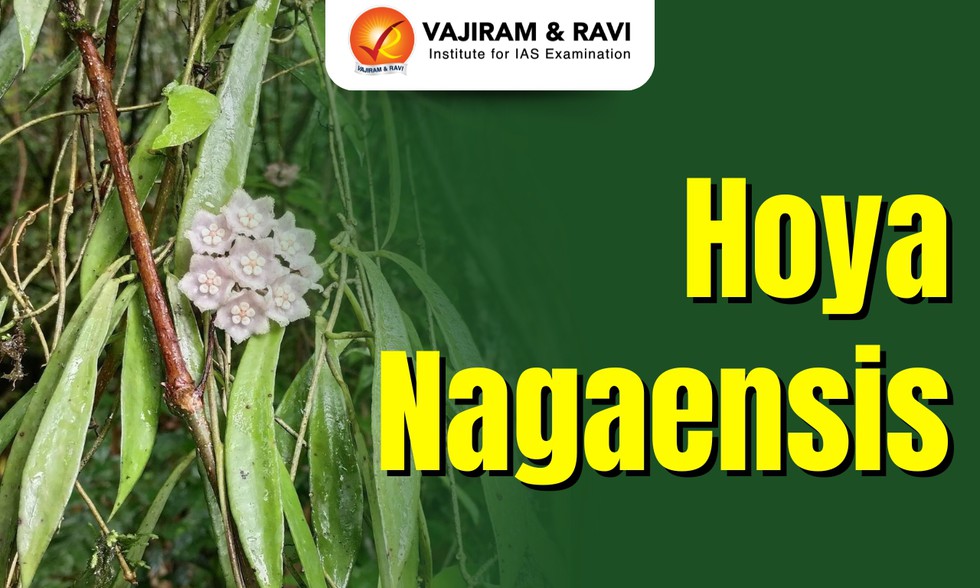
About Hoya Nagaensis:
- It is a new plant species found in
- It is a member of the 'wax plant family' was discovered in the Kavunhou Community Reserved Forest in Phek district.
- It is currently known from only a single location, making it highly vulnerable.
- Features of Hoya Nagaensis:
- The plant displays unique leaf shapes and floral
- It belongs to Hoya genus, a group known for its ornamental value.
- Habitat: It was found growing in a temperate forest ecosystem that remains largely unexplored by science.
- It produces distinctive star-shaped flowers and exudes milk-like latex, a characteristic of many species in the Apocynaceae or milkweed family.
What is Hoya Genus?
- Hoyas, commonly known as wax plants, are a captivating genus cherished by indoor gardeners for their unique flowers and diverse growth forms.
- Native Range: Southeast Asia, Australia, and Polynesia
- Flower Characteristics: Hoya flowers are star-shaped and wax-like appearance.
- Growth Habit: Hoyas are known for their climbing or trailing growth habit.
Prelims Pointers
Jan. 28, 2026
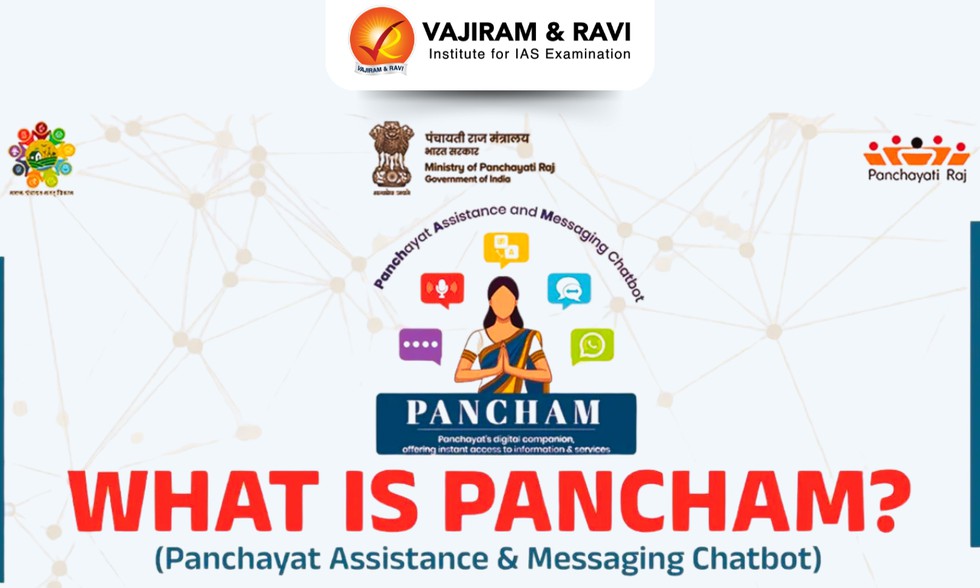
About PANCHAM:
- It is a digital tool developed in collaboration with UNICEF.
- Aim: It is a flagship digital initiative aimed at empowering Panchayat Elected Representatives and Functionaries.
- It is designed as a digital companion for Panchayats, providing timely and contextual guidance, simplified workflows, and easy access to information to support day-to-day governance and service delivery functions.
- Features of PANCHAM:
- Direct Connect: It enables, for the first time, a direct digital connect between the Government of India and Elected Representatives and Panchayat Functionaries across the country.
- Language Support: It is integrated with BHASHINI and will support 22 Indian languages, enabling Panchayat representatives to interact with the platform in their preferred local language.
- Citizen Access: Citizens would be able to access PANCHAM through a QR-code-based entry mechanism.
- It will facilitate quicker decision-making, faster resolution of field-level issues, and stronger feedback loops between the grassroots and decision-making centers.
- Two way communications: PANCHAM facilitates two way communication and officials can send feedback, ask questions, and flag local problems directly to the ministry.
- Information Dissemination: The Ministry would be able to directly disseminate circulars, advisories, key messages, and updates to Panchayat Elected Representatives and Functionaries.
Prelims Pointers
Jan. 28, 2026
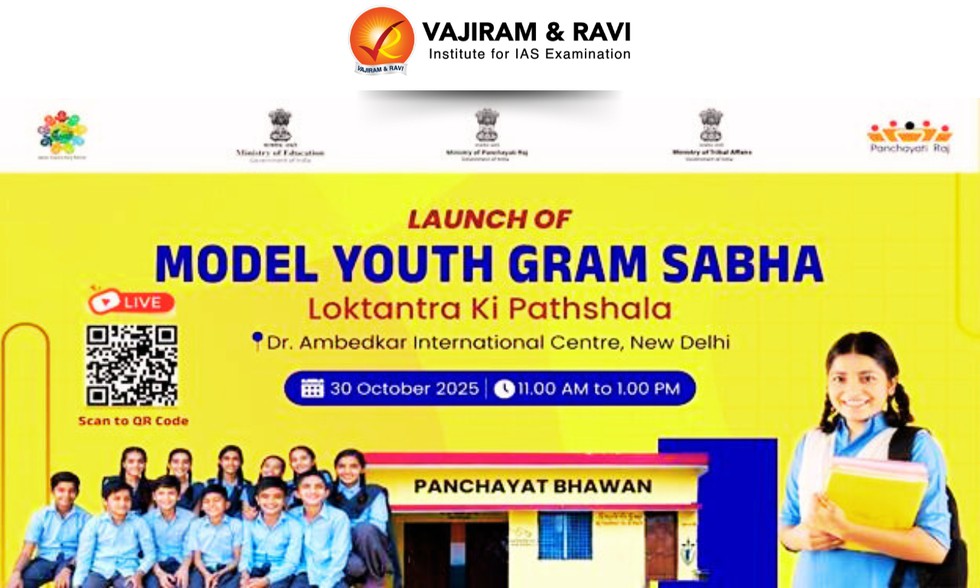
About Model Youth Gram Sabha:
- It is a simulated forum for School Children to participate in mock Gram Sabha sessions.
- Purpose: It is a pioneering initiative to strengthen Janbhagidari and promote participatory local governance by engaging students in simulated Gram Sabha sessions.
- It is an initiative based on the Model UN – an educational simulation of the United Nations – in schools across the country.
- It is an initiative of the Ministry of Panchayati Raj, in collaboration with the Ministry of Education and the Ministry of Tribal Affairs.
- Implementation: It is rolled out across the schools nationwide, including Jawahar Navodaya Vidyalayas, Eklavya Model Residential Schools (EMRSs), and State Government Schools.
- Key Features of Model Youth Gram Sabha
- Focus: Students from classes 9-12 will play the roles of sarpanch, ward members, and village-level officials, including village secretary, Anganwadi worker etc.
- They will hold mock meetings of the Gram Sabha, discuss various issues, and prepare the village budget and development plans.
- Financial Support: The Panchayati Raj Ministry also provide a support of Rs 20,000 to each school for holding the mock Gram Sabha.
Prelims Pointers
Jan. 28, 2026

About Achanakmar Tiger Reserve:
- Location: It is situated in Chhattisgarh.
- It is part of the huge Achanakmar – Amarkantak Biosphere Reserve.
- It is one of three tiger reserves in Chhattisgarh.
- It has a corridor connecting Kanha and Bandhavgarh Tiger Reserve and plays a critical role in the dispersal of tigers among these reserves.
- River: The Maniyari River flows right from the centre of this reserve, which is the forest’s lifeline.
- Tribal Community: It is home to the Baigas, (Particularly Vulnerable Tribal Group), Gond and Yadav communities residing inside of this tiger reserve.
- Vegetation: Tropical moist deciduous vegetation covers the majority of the area.
- Flora: Sal, bija, saja, haldu, teak, tinsa, dhawara, lendia, khamar, and bamboo bloom here, along with over 600 species of medicinal plants.
- Fauna: It includes the tiger, leopard, bison, flying squirrel, Indian giant squirrel, chinkara, wild dog, hyena, sambar, chital, and many species of birds.