Dec. 30, 2025
Prelims Pointers
Dec. 30, 2025

About Gas Hydrates:
- Gas hydrates are ice-like crystalline structures that form when a low-density gas, like methane, ethane, or carbon dioxide, combines but does not chemically bond with water and freezes into a solid under low temperature and moderate pressure.
- Most gas hydrates are formed from methane (CH4), which has led to the terms “gas hydrate” and “methane hydrate” often being used interchangeably.
- They are classified as clathrates, compounds formed by the inclusion of one molecule within cavities in the crystal lattice of another.
- A unique property of clathrates is the absence of chemical bonding, which makes it possible to separate them relatively easily.
- For example, when methane hydrates are warmed or depressurized, it will revert back to water and natural gas.
- On Earth, gas hydrates occur naturally in some marine sediment and within and beneath permafrost.
- They are also speculated to form on other planets.
- Gas Hydrates are important for a variety of reasons:
- Gas hydrate deposits may contain roughly twice the carbon contained in all reserves of coal, oil, and conventional natural gas combined, making them a potentially valuable energy resource.
- Their decomposition can release large amounts of methane, which is a greenhouse gas that could impact Earth’s climate.
- Sudden release of pressurized methane gas may cause submarine landslides, which in turn can trigger tsunamis.
- Gas hydrates in the ocean can be associated with unusual and possibly unique biological communities that use hydrocarbons or hydrogen sulfide for carbon and energy via a process known as chemosynthesis.
Prelims Pointers
Dec. 30, 2025

About Legionnaires' Disease:
- It is a severe form of a lung infection (pneumonia) caused by a bacterium known as legionella.
- The disease got its name when a group of people at an American Legion convention became ill with this type of pneumonia in 1976.
- Transmission:
- Legionella is found naturally in freshwater, such as lakes and rivers. It can also be found in soil.
- Most people who catch Legionnaires’ disease breathe in the bacteria from water or soil.
- You usually can’t get infected by drinking water that contains the bacteria unless you aspirate it (accidentally breathe the water into your lungs).
- It is not contagious, meaning it is not spread from person to person.
- Older adults, people with weakened immune systems, and people who smoke have a higher risk of getting Legionnaires’ disease.
- Symptoms:
- Legionnaires’ disease causes pneumonia-like symptoms that start two to 14 days after exposure to Legionella.
- Patients usually present with fever, cough, shortness of breath, tiredness, headache, muscle pain, and may have gastrointestinal symptoms such as abdominal pain and diarrhoea.
- In severe cases, neurological symptoms (e.g., confusion) and respiratory failure may occur, and some cases may result in death.
- Treatment:
- Treating right away with antibiotics most often cures Legionnaires’ disease.
- But some people still have problems after treatment.
- Currently, there is no vaccine available for LD.
Prelims Pointers
Dec. 30, 2025
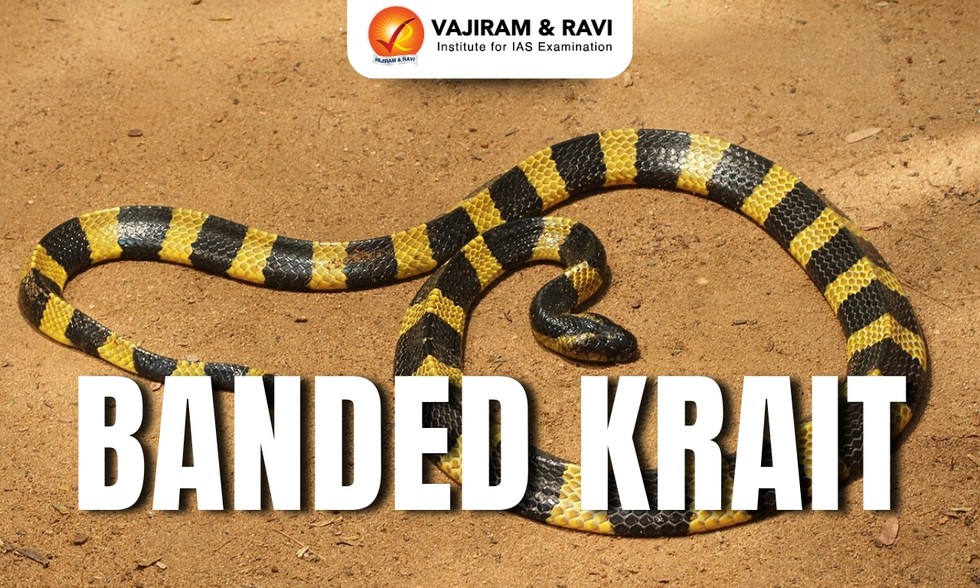
About Banded Krait:
- It is a highly venomous snake native to South and Southeast Asia.
- Scientific Name: Bungarus fasciatus
- Part of the elapid family, which includes cobras and mambas, the Banded Krait is easily recognizable by its vibrant yellow and black crossbands, giving it a distinctive appearance.
- Distribution: These snakes have been recorded eastwards from central India through Bangladesh, Myanmar, Cambodia, Thailand, Laos, Vietnam, and southern China (including Hong Kong) to Malaysia and the main Indonesian islands of Borneo (Java and Sumatra), as well as Singapore.
- Habitat:
- It primarily inhabits wetlands, forests, and areas near water bodies.
- They inhabit termite mounds and rodent holes close to water and often live near human settlements, especially villages, because of their supply of rodents and water.
- Features:
- Banded kraits are carnivores and feed mainly on other snakes.
- Conservation Status:
- IUCN Red List: Least Concern.
Prelims Pointers
Dec. 30, 2025

About YJ-20 Hypersonic Missile:
- The YJ-20, also known as the Eagle Strike-20, is a hypersonic anti-ship missile developed by China.
- It is designed to target high-value naval assets at extended ranges.
- Features:
- It has a distinctive biconic aerodynamic form, a configuration that supports controlled glide at sustained hypersonic speeds after the initial rocket boost.
- This shape is essential for generating protective shockwaves that shield the control surfaces from heat during high-velocity flight.
- Regional military assessments place the missile’s range between 1,000 and 1,500 km with cruising speeds above Mach 6.
- The terminal flight path appears designed to allow a near-vertical descent combined with sharp lateral manoeuvres, a profile intended to compress defender reaction times and disrupt prediction models used by shipborne interceptors.
- It is capable of being launched from multiple platforms, including the Type 055 Renhai-class destroyers and H-6K strategic bombers, offering operational flexibility across maritime and continental strike missions.
Prelims Pointers
Dec. 30, 2025
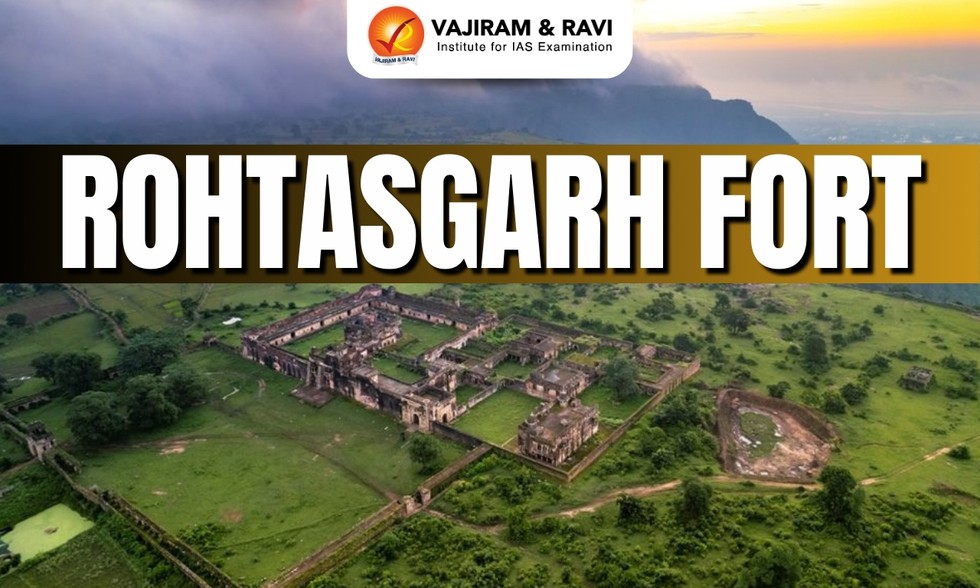
About Rohtasgarh Fort:
- The Rohtasgarh Fort, also known as Rohtas Fort, is located in the city of Rohtas on the banks of the Sone River in Bihar.
- It is one of the largest forts in India.
- It is situated on the top of a hill and is one of the most ancient forts in India, known for its large defensive walls and impressive architecture.
- The fort complex includes gates, palaces, temples, and reservoirs, showcasing Indo-Afghan architectural styles.
- History:
- The fort was built by the ruler of the Solar dynasty, Raja Harishchandra. It was named after his son, Rohitashva.
- Inscriptions at the fort suggest that the fort has passed through the hands of several empires, including the Hindu Shahis, the Ghurids, the Mughals, and eventually the British Raj.
- Sher Shah Suri conquered the fort in 1539 after losing the Fort of Chunar to Humayun, a Mughal ruler.
- The fort, in its present form, was significantly strengthened by Sher Shah Suri.
- The Jama Masjid, built to the west of the fort by Haibat Khan (a close aide of Sher Shah), is made of white sandstone.
- Akbar acquired the fort in 1587 and gave it to Raja Maan Singh, who was appointed the Governor of Bihar.
- In the 16th century, Jahangir’s son, Prince Khurram, sought refuge at the fort.
- In the 17th century, Mir Kasim, the Nawab of Bengal, sought refuge at the fort after losing a battle against the British.
- However, the fort was handed over to British Captain Goddard by the Diwan of Rohtas, and the fort’s defenses were destroyed.
- The fort remained abandoned until 1857, during the First War of Independence, when Babu Kunwar Singh’s younger brother, Amar Singh, sought refuge t
- Finally, the British recaptured Rohtasgarh and soon abandoned it.
Prelims Pointers
Dec. 30, 2025
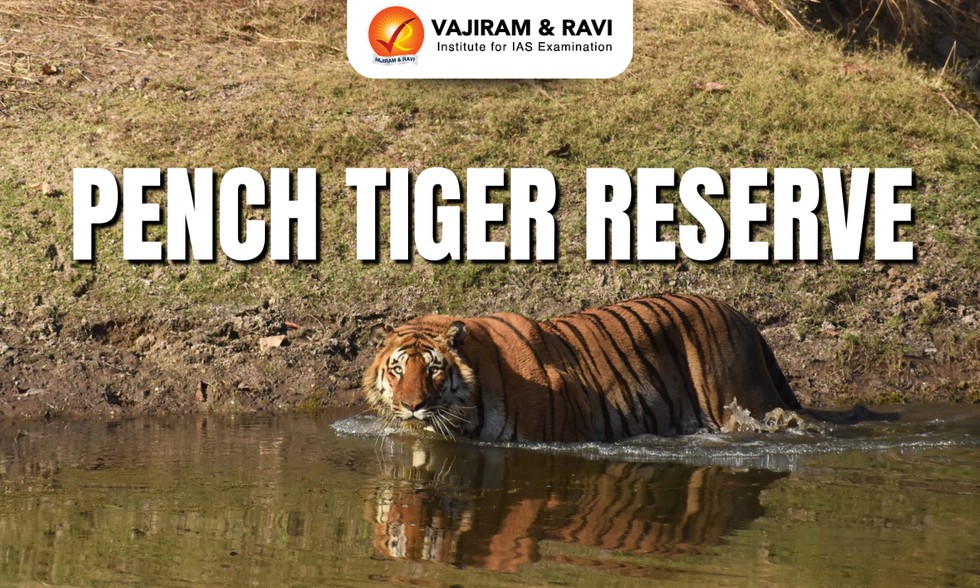
About Pench Tiger Reserve:
- Location: It is located in the southern reaches of the Satpura hills in the Seoni and Chhindwara districts in Madhya Pradesh and shares the southern boundary with Maharashtra.
- It has been declared a National Park and a tiger reserve.
- It derives its name from its life line-the River Pench which flows from North to South.
- It comprises the Indira Priyadarshini Pench National Park, the Pench Mowgli Sanctuary, and a buffer.
- Vegetation: The forests in Pench tiger reserve are classified into three types:
- South Indian Tropical Moist Deciduous (slightly moist)
- Southern Tropical Dry Deciduous Teak Forests and
- Southern Dry Mixed Deciduous Forest
- Flora: The reserve boasts a diverse range of flora, including teak, saag, mahua, and various grasses and shrubs.
- Fauna: The area is especially famous for large herds of Chital, Sambar, Nilgai, Gaur (Indian Bison), and wild boar.
Prelims Pointers
Dec. 30, 2025

About Magnetic Levitation Technology:
- It is a transportation technology which uses electromagnets to lift, guide and propel trains without wheels, allowing the cars to levitate slightly above the tracks.
- It is achieved through magnets in the guideway walls interacting with magnets on the train, move the train forward in an almost frictionless environment.
- Working of Magnetic Levitation Technology
- Maglev trains operate using two key electromagnetic principles: magnetic attraction and repulsion.
- The system typically consists of three main components:
- Levitation: Magnets lift the train above the track, ensuring there is no physical contact. This minimizes wear and tear while providing a smooth ride.
- Guidance: Electromagnets stabilize the train laterally, keeping it centered on the track.
- Propulsion: Linear motors generate magnetic fields that push and pull the train along the track. This replaces the need for traditional engines or fuel.
- The tracks, known as guideways, are embedded with powerful electromagnets, while the trains themselves contain superconducting magnets or electromagnets.
- By carefully controlling the magnetic fields, maglev trains achieve levitation and propulsion with minimal energy loss.
- Benefits of Magnetic Levitation Technology:
- Reduced Friction: With no physical contact between train and track, maglev systems have significantly lower maintenance costs and higher energy efficiency.
- Eco-Friendly: Maglev trains produce zero direct emissions and can be powered by renewable energy sources, making them a sustainable alternative to fossil fuel-based transport.
Prelims Pointers
Dec. 30, 2025
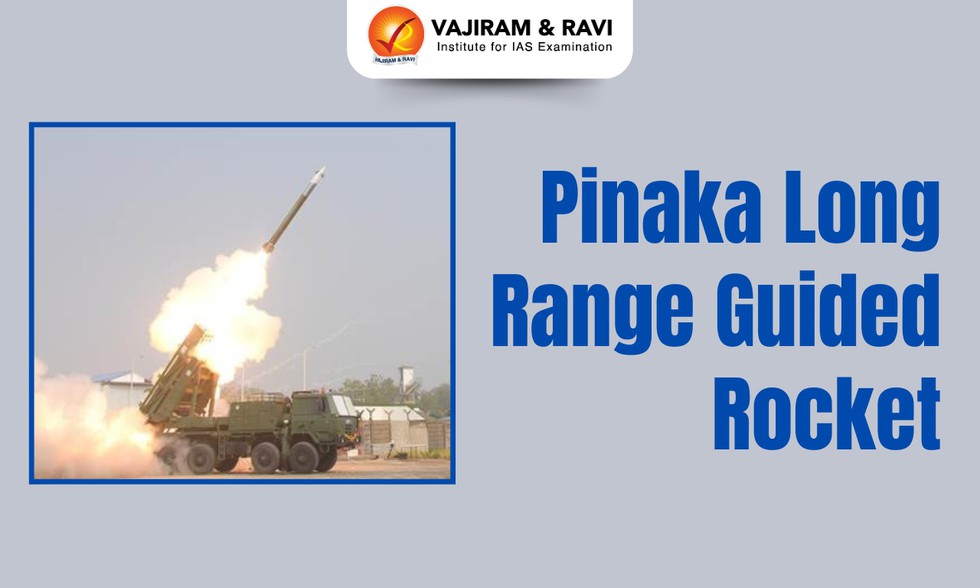
About Pinaka Long Range Guided Rocket:
- It is an extended-range, precision-guided rocket developed for the Indian Army’s Pinaka Multiple Launch Rocket System (MLRS).
- It has been developed by the Armament Research and Development Establishment (ARDE) in association with the High Energy Materials Research Laboratory, Hyderabad-based Research Centre Imarat (RCI) and Defence Research and Development Laboratory (DRDL).
- Features of Pinaka Long Range Guided Rocket:
- Range: Its maximum strike range of around 120 kilometres.
- Backward compatibility: The rockets are backward compatible, meaning they can fit into existing launch systems without any significant structural changes.
- Guidance system for improved accuracy: It makes it highly effective in mountainous terrain, where precision is critical.
- In the Guided Pinaka system, launchers carry eight guided rockets due to additional electronic components.
- It is equipped with a guidance system that significantly improves accuracy, enabling it to engage targets such as enemy artillery positions, command nodes and logistics installations at long distances.
Prelims Pointers
Dec. 30, 2025
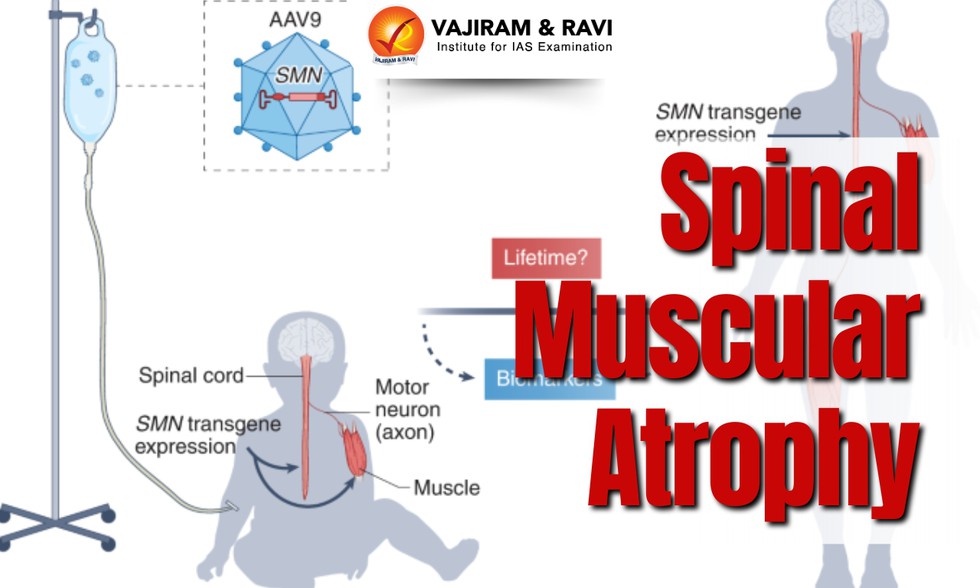
About Spinal Muscular Atrophy:
- It is a rare and progressive neuromuscular disorder that leads to muscle weakness and can cause life-threatening complications.
- It is a debilitating genetic condition which affects motor neurons that control movement, and leads to progressive muscle weakening.
- Cause: Most forms of SMA are caused by mutations of the survival motor neuron 1 gene (SMN1) on the fifth chromosome, resulting in insufficient expression levels of the SMN protein.
- Types of SMA: There are five subtypes of SMA- type 0, 1, 2, 3, 4. Healthcare providers classify them based on the age of onset, as well as the severity and life expectancy.
- Symptoms of Spinal Muscular Atrophy:
- Its symptoms vary and may be mild or disabling, but involve a weakness of the muscles that control movement.
- The weakness in SMA tends to be more severe in the muscles that are close to the center of your body than in the muscles farther away from your body’s center.
- Treatment: There isn’t a cure for SMA. Treatment for SMA mainly seeks to manage symptoms and prevent complications.
Prelims Pointers
Dec. 30, 2025

About Ol Chiki Script:
- It was invented in 1925 by Pandit Raghunath Murmu, a writer and teacher from Mayurbhanj state (now in Odisha) in India.
- Other names: Ol Chiki is also known as Ol Cemet’, Ol Ciki, Ol or the Santali alphabet.
- The Ol Chiki script itself is uniquely structured to suit the Santali language.
- It consists of 30 letters and is fully phonetic, with each letter corresponding to a distinct sound.
- The script was first publicized in 1939 at the Mayurbhanj State exhibition.
- Pandit Raghunath Murmu published various books in Santali in the Ol Chiki script, including novels, poetry, drama, grammars, dictionaries and other information about the language and script.
- It was created as a way to promote Santali culture.
Key facts about Santali Language:
- It is a member of the Munda branch of the Austroasiatic language family, which is an ancient family of languages spoken across parts of South and Southeast Asia.
- It is spoken mainly in Jharkhand and West Bengal states in northern India, and also in northwestern Bangladesh, eastern Nepal and Bhutan.
- It was included in the Eighth Schedule of the Indian Constitution in 2003, with Ol Chiki recognised as its official script, giving the language constitutional status.
Dec. 29, 2025
Prelims Pointers
Dec. 29, 2025
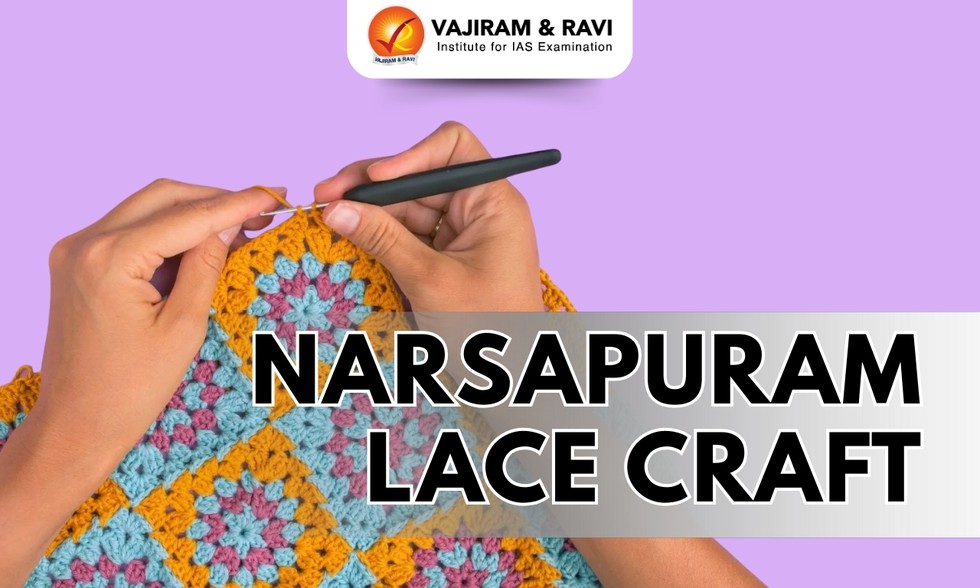
About Narsapuram Lace Craft:
- Narsapur is situated on the bank of Godavari River in the state of Andhra Pradesh.
- History of Narsapuram Lace Craft:
- It is believed that the women of the farming community of this region started creating highly attractive artefacts from colourful lace, about 150 years ago.
- The craft has survived the Indian famine (1899) and the Great Depression (1929).
- Raw Materials: Primarily uses fine cotton threads in various thicknesses and colors.
- Artisans also incorporate silk, rayon, or synthetic threads for decorative pieces, with beads and sequins added to enhance export-quality designs.
- Tool used: The main tool is the crochet hook, available in different sizes to create diverse patterns and textures.
- Design: This craft showcases intricate floral, geometric, and paisley patterns inspired by nature and traditional motifs.
- Narsapur’s famed hand-made crochet industry produces doilies, pillow covers, cushion covers, bed spreads, table-runners, and table cloths etc.
- It was recognized with Geographical Indication tag.
Prelims Pointers
Dec. 29, 2025

About Frequency Comb:
- It is a special kind of laser light whose spectrum, or set of frequencies, resembles the teeth of a comb.
- Frequency combs are simple and compact tools that phase coherently connect the radio frequency domain (say below 100GHz) with the optical domain (say above 200THz).
- Characteristics of Frequency Comb:
- Instead of containing just one colour (one frequency), it emits a large number of evenly spaced frequencies. The spacing is extremely regular.
- Frequency combs are widely-used, high-precision tools for measuring and detecting different frequencies colors — of light.
- It has high stability and precision.
- Applications of Frequency comb:
- It helps scientists compare an unknown light frequency to a stable reference with extraordinary precision.
- It is an important modern tool to calibrate atomic clocks and measure shifts in light caused by gravity.
- It is used to detect explanets.
- It is also used in high-speed spectroscopy.
Prelims Pointers
Dec. 29, 2025

About Industrial Hemp:
- Industrial hemp (Cannabis sativa L.) is botanically related to marijuana, but with very different properties.
- While marijuana is rich with tetrahydrocannabinol (THC), the psychoactive component that makes pot a drug of choice by many, hemp contains only the smallest traces of THC (<0.3%),
- It is an herbaceous, dioecious plant belonging to the Cannabis genus within the Cannabaceae family.
- It is high in fiber and low in active tetrahydrocannabinol (THC).
- Applications of Industrial Hemp:
- It is used for varieties used for recreational, therapeutic, and industrial purposes, commonly referred to as marijuana and hemp, respectively.
- Its stalk can be used to produce biofuel, auto parts, paper, upholstery, and fiber for cloth and other textile items.
- Its stem can also be processed into building materials, industrial products and different kinds of papers.
- Its seeds can be used to produce feed or food or the sources of oil that can be converted into a lotion or cosmetic products.
Prelims Pointers
Dec. 29, 2025
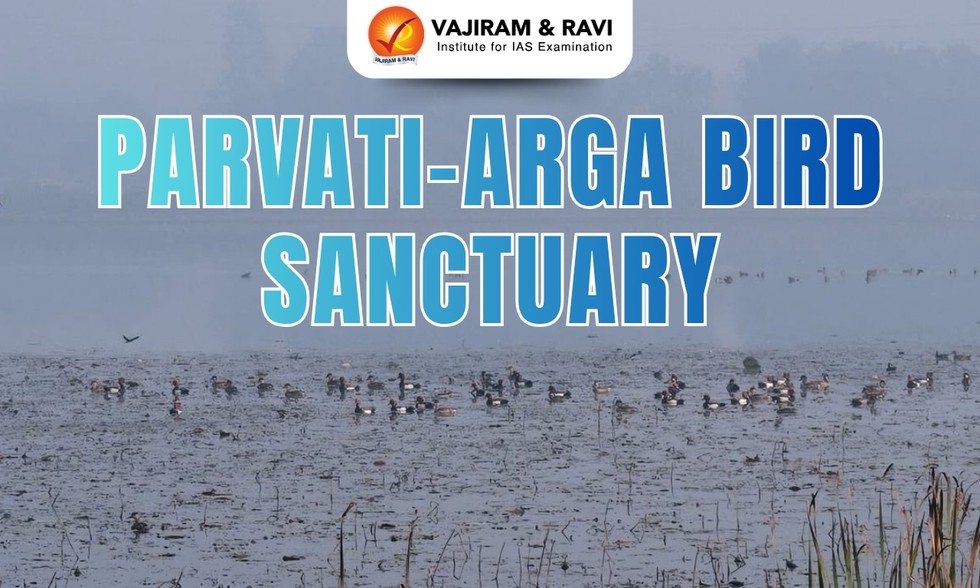
About Parvati-Arga Bird Sanctuary:
- Location: It is situated in Gonda district of Uttar Pradesh.
- It is a permanent freshwater environment consisting of two oxbow lakes namely Parvati and Arga.
- It is designated as Ramsar site.
- Fauna: It is the critically endangered white-rumped vulture (Gyps bengalensis) and Indian vulture (Gyps indicus), and the endangered Egyptian vulture (Neophron percnopterus) have all been recorded.
- Invasive species such as the common water hyacinth (Eichhornia crassipes) is also found here.
- Flora: The Vegetation of the Sanctuary is representative of that of the indo-gangetive ecosystem.
What is Eco-Sensitive Zone?
- It is also known as Ecologically Fragile Areas (EFAs).
- These are areas notified and regulated by the Union Ministry of Environment, Forest and Climate Change (MoEFCC) around Protected Areas, National Parks and Wildlife Sanctuaries.
- Purpose of declaring ESZs:
- To create some kind of shock absorbers to the protected areas by regulating and managing the activities around such areas
- To act as a transition zone from areas of high protection to areas involving lesser protection.
- Extent of ESZ: An ESZ could extend up to 10 km around a protected area.
Prelims Pointers
Dec. 29, 2025
About Scheme for Promotion of International Cooperation for AYUSH:
- It is a Central Sector Scheme.
- It provides support to Indian Ayush drug Manufacturers/ Ayush Service providers to give boost to the export of Ayush products & services.
- Objectives:
- To promote and strengthen awareness and interest about AYUSH Systems of Medicine at international level.
- To facilitate International promotion, development and recognition of Ayurveda, Yoga, Naturopathy, Unani, Siddha, Sowa-Rigpa and Homoeopathy.
- To foster interaction of stakeholders and market development of AYUSH at international level.
- To support international exchange of experts and information for promotion and propagation of AYUSH systems,
- To promote academics and research through establishment of AYUSH Academic Chairs in foreign countries.
- Nodal Ministry: Ministry of AYUSH
- Components of Scheme for Promotion of International Cooperation for AYUSH:
- International exchange of experts & officers,
- Incentive to drug manufacturers, entrepreneurs, AYUSH institutions, Hospitals etc. for international propagation of AYUSH by participating in international exhibitions, trade fairs, road shows etc.
- Support for international market development and AYUSH promotion-related activities,
- Establishment of AYUSH Information Cells and establishment and strengthening of Health Centre/ Institution in foreign countries.
- International Fellowship/ scholarship Programme for foreign nationals for undertaking AYUSH courses in premier institutions in India.
Prelims Pointers
Dec. 29, 2025

About PM-YUVA 3.0 Scheme:
- The Prime Minister’s Scheme for Mentoring Young Authors (PM-YUVA 3.0) aims to nurture young writers under 30 years of age, providing them with mentorship and exposure to hone their creative writing skills.
- The scheme will help to develop a stream of writers who can write on various facets of India, encompassing the past, present, and future.
- PM-YUVA 3.0 intends to bring to the fore the perspectives of the young generation of writers on the following themes:
- Contribution of Indian Diaspora in Nation Building;
- Indian Knowledge System; and
- Makers of Modern India (1950-2025).
- Besides, the scheme will also provide a window for the aspiring youth to articulate themselves and present a comprehensive outlook of the contribution of Indians across fields in ancient and present times.
- The National Book Trust (NBT), India, under the Ministry of Education as the Implementing Agency, will ensure phase-wise execution of the scheme under well-defined stages of mentorship.
- Selection Process:
- The scheme invites applications from aspiring writers through MyGov India’s online portal.
- The shortlisted candidates undergo a multi-stage selection process before the final selection.
- Applicants who had qualified for the PM-YUVA Scheme 1.0 and PM-YUVA Scheme 2.0 are not eligible for the PM-YUVA 3.0 scheme.
- Mentorship and Support:
- Selected authors receive a mentorship program spanning six months.
- The authors undergo workshops, interactions with mentors, and exposure to India’s literary ecosystem.
- At the end of mentorship, a consolidated scholarship is offered.
- A book or a series of books written by the young authors will be published by NBT, India as the outcome of the mentorship programme.
- A royalty of 10% will be payable to the authors on successful publications of their books at the end of the Mentorship Program.
- The books thus published under the scheme may be translated into other Indian languages.
- Selected authors get the opportunity to present their work at literary festivals and international forums.
Prelims Pointers
Dec. 29, 2025
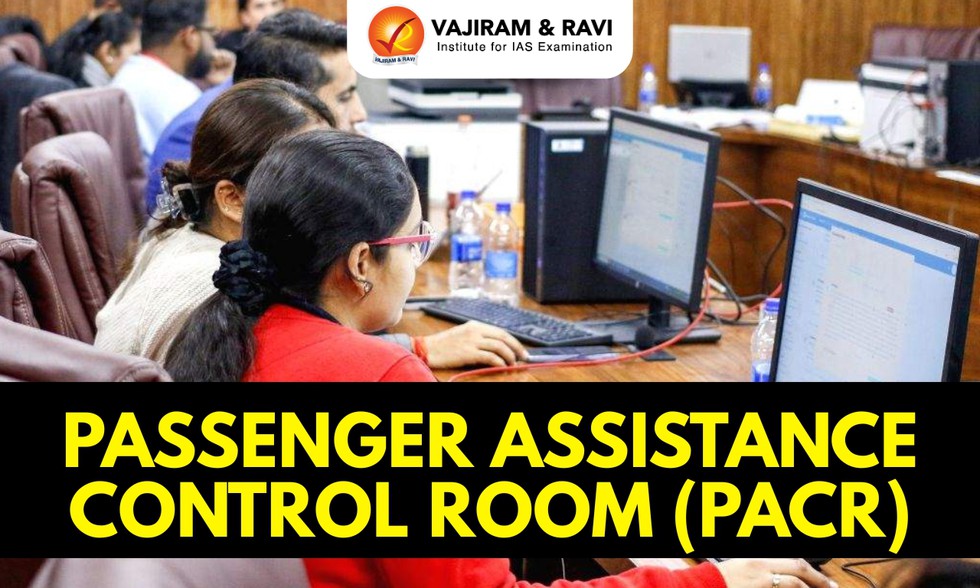
About Passenger Assistance Control Room (PACR):
- It was launched by the Ministry of Civil Aviation, Government of India.
- It is aimed at significantly improving the promptness and effectiveness of addressing air traveller grievances.
- It functions as an integrated hub bringing together officials from the Ministry of Civil Aviation, Directorate General of Civil Aviation (DGCA), Airports Authority of India (AAI), airline operators, and other key stakeholders under one roof at Udaan Bhawan, in New Delhi.
- It operates 24x7, continuously monitoring aviation operations, attending to passenger calls, and coordinating real-time assistance and grievance resolution.
- The AirSewa system has also been fully integrated into the PACR, enabling seamless handling of passenger grievances received through it.
- An omni-channel technology backbone converts passenger inputs into actionable cases, supported by data-driven dashboards that provide live visibility on grievance types, timelines, and stakeholder actions.
- The physical presence of airline representatives within the control room allows immediate coordination and on-the-spot resolution of issues.
- Grievances related to flight delays, cancellations, refunds, and baggage issues are prioritised and addressed in accordance with the provisions of the Passenger Charter.
Prelims Pointers
Dec. 29, 2025
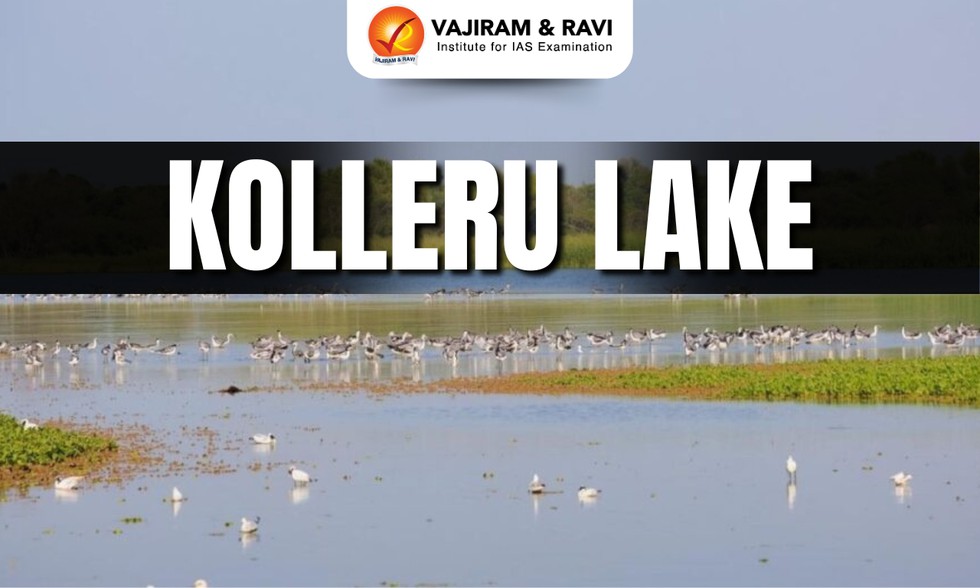
About Kolleru Lake:
- It is one of the largest freshwater lakes in India, located in Andhra Pradesh.
- It is located in the inter-deltaic plain of rivers Krishna and Godavari near the city of Eluru and serves as a natural flood-balancing reservoir for these two rivers.
- It is the largest freshwater lake in Andhra Pradesh.
- Characteristically, it is a shallow lake.
- It receives water from Budameru, Ramileru, Tammileru, and Errakalva rivers.
- It drains into the Bay of Bengal through an outlet called 'upputera'.
- It is also known as the "Peerless Fisherman’s Paradise and Bird Heaven".
- It was declared as a wildlife sanctuary in 1999.
- It was designated as a wetland of international importance in 2002 under the International Ramsar Convention.
- It supports migratory birds annually, including grey pelicans, painted storks, and open-billed storks.
- It is deeply intertwined with local livelihoods, sustaining thousands who depend on fishing, duck farming, and paddy cultivation.
Prelims Pointers
Dec. 29, 2025
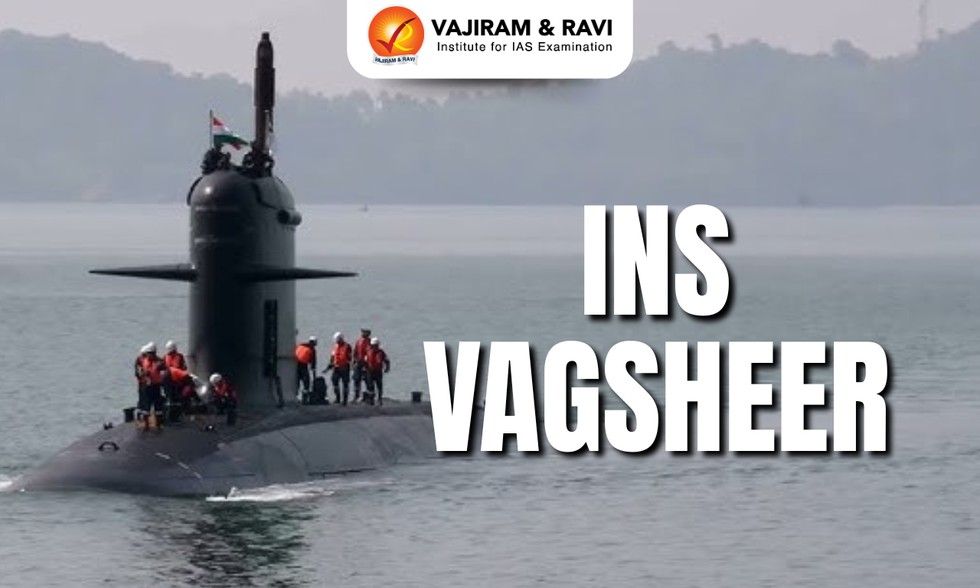
About INS Vagsheer:
- It is the sixth submarine of the first batch of six Kalvari-class, or Scorpene-class, submarines ordered by the Indian Navy under Project-75.
- It is named after the sandfish, a deadly deep-sea predator of the Indian Ocean.
- It was officially commissioned into the Indian Navy in 2025.
- It now joins its sister vessels INS Kalvari, INS Khanderi, INS Karanj, INS Vela, and INS Vagir.
- These submarines have been completely built by Mazagon Dock Shipbuilders Limited (MDL) through French technology transfer.
- Features:
- It boasts advanced stealth technologies, including reduced radiated noise levels and sophisticated hydrodynamic design, making it one of the quietest submarines in the world.
- Armed with torpedoes, anti-ship missiles, and mine-laying capabilities, it excels in anti-surface and anti-submarine warfare, intelligence gathering, and surveillance.
- It consists of indigenously developed systems like the air-conditioning plant, internal communication network, and the Ku-Band SATCOM system.
Prelims Pointers
Dec. 29, 2025

About Parasynnemellisia khasiana:
- It is a new species of fungus.
- It was discovered in the bamboo forests around Mawsynram, Meghalaya.
- It is named after the Khasi Hills.
- The fungus was found on dead stems of a thorny bamboo species (Chimonocalamus griffithianus) while surveying bamboo litter in the Mawsynram area.
- Laboratory analysis confirmed that the organism did not belong to any existing fungal genus.
- As a result, the researchers established a new genus, Parasynnemellisia, with khasiana as its first described species.
- It forms a distinct evolutionary lineage within the fungal family Phaeosphaeriaceae, separating it from superficially similar bamboo-associated fungi found elsewhere in Asia.
What are Fungi?
- A fungus (plural: fungi) is a type of eukaryotic organism belonging to the kingdom Fungi, alongside plants, animals, protozoa, and monera.
- As eukaryotes, their cells contain a nucleus, mitochondria, and a complex system of internal membrane, including the endoplasmic reticulum and Golgi apparatus.
- All fungi possess cell walls made of a tough polysaccharide called chitin; the cell wall provides structural strength to the fungal body.
- Fungi are incredibly diverse, with commonly encountered forms including yeast, molds, truffles, and mushrooms.
- Fungi come in both unicellular and multicellular forms, with yeast representing the simplest unicellular type and molds like Rhizopus, Mucor, and Penicillium are examples of multicellular fungi.
- They’re the most populous kingdom on the planet – an estimated 8 million fungi exist worldwide – and yet, more than 90% of them are currently unknown to science.
- They are found in just about any habitat, but most live on the land, mainly in soil or plant material rather than sea or fresh water.
- They are more closely related to animals than to plants, as they do not photosynthesise.
- Different species of fungi can be mutualistic, parasitic, or serve as decomposers.
- Most of the fungi are saprobes (live on dead organisms). They are important decomposers and recyclers of nutrients within the environment.
Dec. 28, 2025
Prelims Pointers
Dec. 28, 2025

About Buccal Mucosa Cancer (BMC):
- It refers to a type of oral cancer that originates in the inner lining of the cheeks, called the buccal mucosa.
- It usually occurs in the thin, flat cells called squamous cells that line the buccal mucosa and other parts of the mouth. Hence, most BMC cases are Squamous Cell Carcinoma (SCC).
- It is the predominant form of oral cancer in the Indian subcontinent.
- It primarily affects individuals with risk factors such as tobacco use and alcohol use, which causes cellular changes in the cheek lining.
- Symptoms commonly include persistent sores, lumps, pain, and difficulty chewing or moving the cheek.
- Treatment options include surgery, radiation therapy, and chemotherapy, depending on the cancer stage.
- Early detection is essential for improving prognosis and the buccal mucosa cancer survival rate.
Prelims Pointers
Dec. 28, 2025
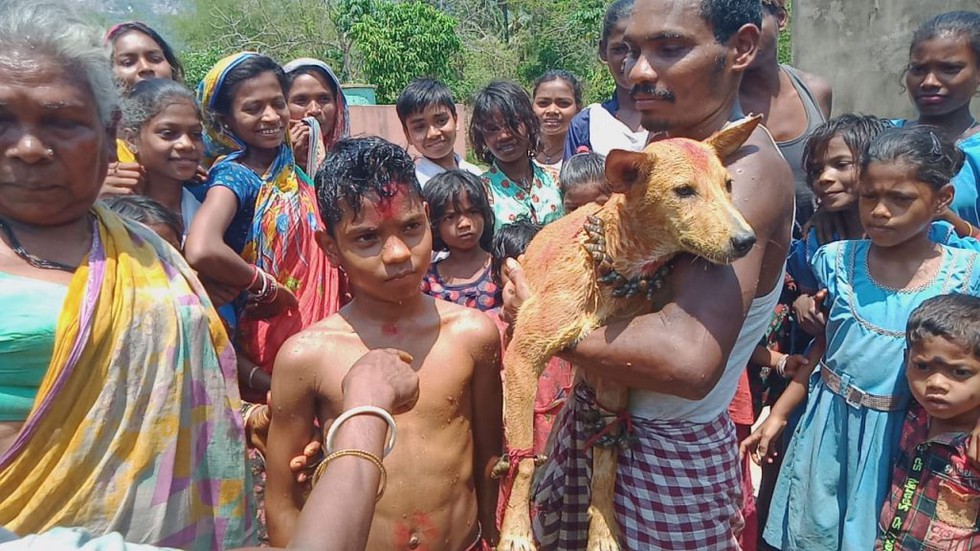
About Ho Tribe:
- The Ho, or Kolha, people are an Austroasiatic Munda ethnic group of India.
- They call themselves the Ho, Hodoko, and Horo, which mean ‘human’ in their own language.
- Distribution:
- They are mostly concentrated in the Kolhan region of Jharkhand and Odisha.
- Ho also inhabit adjacent areas in the neighboring states of Odisha, West Bengal, and Bihar.
- They also live in Bangladesh and Nepal.
- Language: Ho people speak the Ho language, an Austroasiatic language closely related to Mundari.
- Occupation: The majority of the Ho tribe is involved in agriculture, either as landowners or labourers, while others are engaged in mining.
- The men and women of this community wear very minimal dress. The women prefer to wear tribal jewelleries.
- Women have higher status among the Ho than they do in most tribes.
- Dance is very important in Ho culture. Most villages have a dedicated dancing ground, called akhra, usually consisting of a cleared space of hard ground under a spreading tree.
- Traditional Ho music incorporates native instruments, including a dama (drum), dholak, dumeng (mandar), and the rutu (flute).
- Religion:
- The majority of the Ho have their own nature-based religion (Sarnaism) that doesn't fit in with Hinduism.
- They have a village priest called a deuri.
Prelims Pointers
Dec. 28, 2025

About Revamped Distribution Sector Scheme (RDSS):
- It was launched by the Ministry of Power, Government of India to transform the electricity distribution sector.
- It is a Reforms-based and Results-linked Scheme.
- It seeks to modernise India’s power distribution sector through smart metering, network strengthening, and financial reforms, with the goal of creating financially sustainable and operationally efficient DISCOMs.
- The scheme aims to reduce the Aggregate Technical and Commercial (AT&C) losses to pan-India levels of 12-15% and Gap between Average Cost of Supply (ACS) and Average Revenue Realised (ARR) to zero by 2024-25.
- The Scheme has two major components:
- Part A: Financial support for Prepaid Smart Metering & System Metering and upgradation of the Distribution Infrastructure.
- Part B: Training & Capacity Building and other Enabling & Supporting Activities.
- Financial assistance to DISCOMs is provided for upgradation of the Distribution Infrastructure and for Prepaid Smart Consumer Metering & System Metering based on meeting pre-qualifying criteria and achieving basic minimum benchmark in reforms.
Prelims Pointers
Dec. 28, 2025
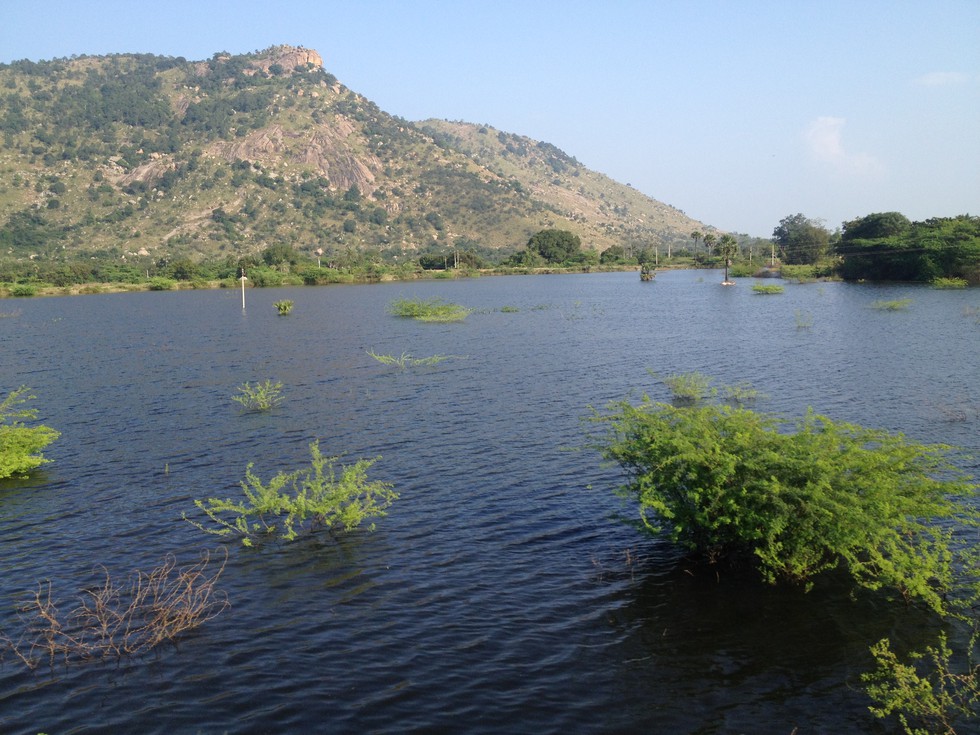
About Dhasan River:
- It is a right bank tributary of the Betwa River, which itself is a tributary of the Yamuna.
- It flows in the Bundelkhand region of Madhya Pradesh and Uttar Pradesh.
- Course:
- The river originates in Madhya Pradesh and forms the southeastern boundary of the Lalitpur District of Uttar Pradesh.
- The river was known as the Dasharna in the ancient period.
- Lehchura Dam is built on this river. It is primarily an irrigation dam providing water for agricultural use via the Dhasan Canal System (DCS).
Prelims Pointers
Dec. 28, 2025
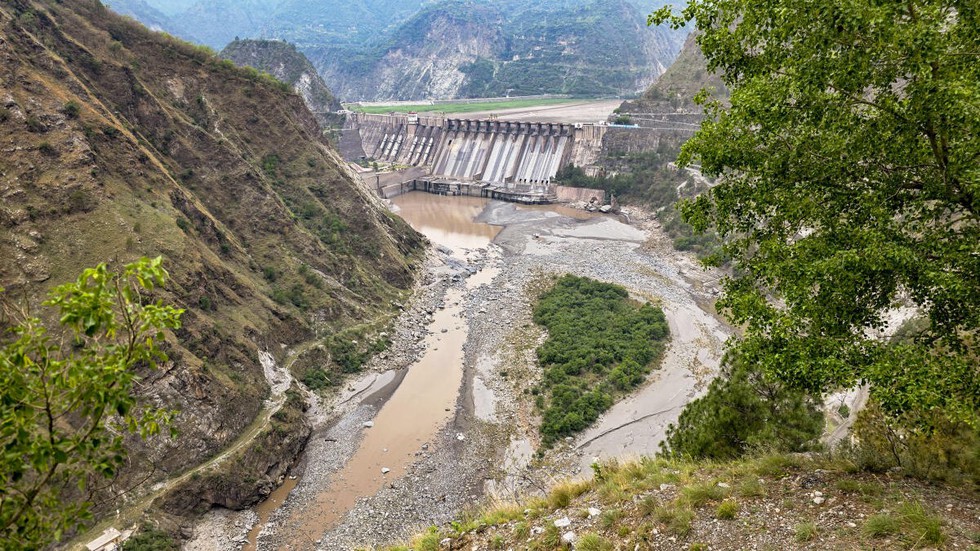
About Dulhasti Stage-II Hydropower Project:
- It is a 260-megawatt hydropower project proposed on the Chenab River in the Kishtwar District of Jammu and Kashmir.
- It is an extension of the existing 390 MW Dulhasti Stage-I Hydroelectric Project (Dulhasti Power Station).
- The project also includes a surge shaft, a pressure shaft, and an underground powerhouse.
Prelims Pointers
Dec. 28, 2025
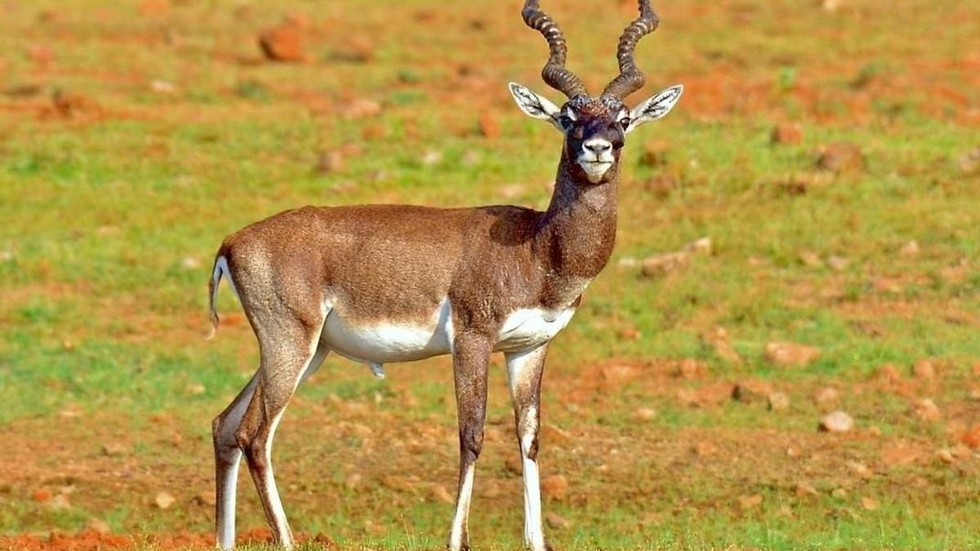
About Vallanadu Wildlife Sanctuary:
- Location: It is located in Tamil Nadu.
- It was established to protect blackbuck antelopes.
- Vegetation: It is a scrub forest
- Fauna: Blackbuck, Spotted Deer, Bonnet Macaque, Jungle Cat, Small Indian Civet, Black-naped Hare; Rose-ringed Parakeet; Common Indian Monitor Lizard etc. are found here.
- Flora: Acacia Albizia amara, Zizyphus sp, Azadirachta indica, Carissa carandus, Euphorbia acalypha etc.
Key Facts about Blackbuck
- It is a species of antelope native to India and Nepal.
- Habitat: The blackbuck mostly lives in open grasslands, dry scrub areas, and thinly forested areas.
- Distribution:It is widespread in the states of Rajasthan, Gujarat, Madhya Pradesh, Tamil Nadu, Odisha, and other areas throughout peninsular India.
- It has been declared as the state animal by the governments of Punjab, Haryana, and Andhra Pradesh.
- Conservation Status: It is classified as ‘Least Concerned’ under the IUCN Red List.
Prelims Pointers
Dec. 28, 2025

About Nitrate:
- It is a compound of nitrogen and oxygen.
- It is naturally found in air, soil and water.
- Plants and animals require nitrates for their survival and growth, and the human body also produces this compound.
- Applications of Nitrate:
- In industry, nitrate is used as fertilizers for crops and lawns.
- It is used in food preservation, certain pharmaceutical medications, as well as the manufacture of munitions and explosives.
- Impact of Nitrate Contamination:
- It gets into water from fertilizer in runoff, manure from animal feeding operations and wastewater treatment plant discharge.
- Health: Excessive nitrate in groundwater causes methemoglobinemia, reducing the ability of red blood cells to carry oxygen, particularly affecting infants and vulnerable populations.
- Environment: Elevated nitrate levels in groundwater can lead to algal blooms in lakes and ponds, severely degrading aquatic ecosystems by depleting oxygen and harming biodiversity.
Prelims Pointers
Dec. 28, 2025
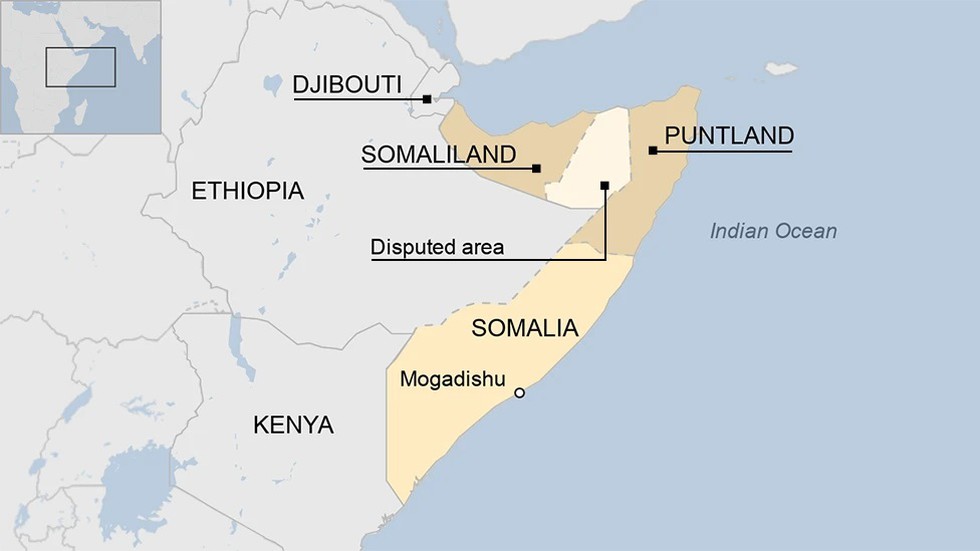
About Somaliland:
- Location: It is located in the Horn of Africa.
- Bordered by: It borders Djibouti, Ethiopia, Somalia, and the Puntland region, with a strategic coastline along the Gulf of Aden.
- Capital City: Hargeisa
- Governance: It functions as a de facto independent state with its own constitution, elected government, judiciary, security forces, currency, and national symbols.
- Governance combines modern democratic institutions with traditional clan-based mechanisms, ensuring stability and conflict resolution.
- It has a bicameral legislature, including the House of Elders (Guurti), and conducts regular elections contributing to institutional legitimacy.
- Port: Berbera Port is being developed as a regional trade and logistics corridor, particularly serving landlocked Ethiopia.
- Economy: The economy is largely livestock-based, with exports to Gulf countries forming a major revenue source.
Prelims Pointers
Dec. 28, 2025
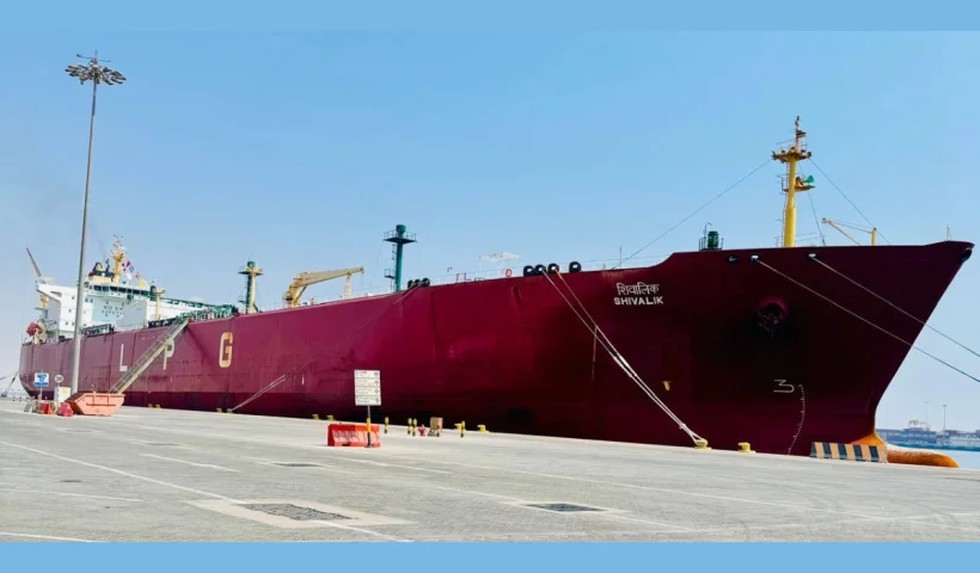
About Shipbuilding Financial Assistance Scheme:
- It is aimed at strengthening India’s domestic shipbuilding capacity and improving global competitiveness.
- Time Period: It will remain valid until 2036.
- Nodal Ministry: Ministry of Ports, Shipping & Waterways
- Features of Shipbuilding Financial Assistance Scheme:
- Financial Assistance: The government will provide financial assistance depending on the vessel category.
- Graded Support: The scheme introduces graded support for small normal, large normal and specialised vessels, with stage-wise disbursement linked to defined milestones and backed by security instruments.
- Shipbreaking Credit Note: Under this, ship owners scrapping vessels at Indian yards will receive a credit equivalent to 40% of the scrap value.
- It provides for the establishment of a National Shipbuilding Mission to ensure coordinated planning and execution of shipbuilding initiatives.
Key Facts about Shipbuilding Development Scheme:
- It focuses on long-term capacity and capability creation.
- Features of Shipbuilding Development Scheme
- Infrastructure Development: It provides for the development of greenfield shipbuilding clusters, expansion and modernisation of existing brownfield shipyards.
- India Ship Technology Centre: It is to be established under the Indian Maritime University to support research, design, innovation and skills development.
- Funding:
- Greenfield shipbuilding clusters will receive 100% capital support for common maritime and internal infrastructure through a 50:50 Centre–State special purpose vehicle.
- Brownfield expansion will be eligible for 25% capital assistance for brownfield infrastructure such as dry docks, shiplifts etc.
- Credit Risk Coverage: The scheme also includes a Credit Risk Coverage Framework, offering government-backed insurance for pre-shipment, post-shipment and vendor-default risks.
Prelims Pointers
Dec. 28, 2025

About Plasser’s Quick Relaying System:
- It is a modern semi-mechanized system automatic machine used for quick railway track replacement.
- It aims to speed up track renewal while minimizing traffic disruption, enhancing safety, reliability, and maintenance efficiency.
- Features of Plasser’s Quick Relaying System:
- It consists of self-propelled cranes which move on an auxiliary track having the same centre line as that of track to be relayed.
- These portal cranes are capable of self-loading and unloading from Bogie Flat Wagons.
- Uses: The system is widely used for new track construction as well as the modernisation of existing track infrastructure.
- Benefits of the system:
- Renewal time: It helps longer track lengths to be renewed within shorter traffic blocks
- Cost-Effective: It is cost effective, as it reduces manual labor and lifecycle maintenance costs.
Dec. 27, 2025
Prelims Pointers
Dec. 27, 2025

About Exclusive Economic Zone (EEZ):
- An EEZ is an area of the ocean, generally extending 200 nautical miles (230 miles) beyond a nation’s territorial sea, within which a coastal nation has jurisdiction over both living and nonliving resources.
- The concept of an exclusive economic zone (EEZ) was adopted through the 1982 United Nations Convention on the Law of the Sea.
- Under international law, within its defined EEZ, a coastal nation has:
- Sovereign rights for the purpose of exploring, exploiting, conserving, and managing natural resources of the seabed, subsoil, and waters above it.
- Jurisdiction as provided for in international law with regard to the establishment and use of artificial islands, installations, and structures; marine scientific research; and the protection and preservation of the marine environment.
- Other rights and duties provided for under international law.
- UNCLOS (United Nations Convention on the Law of the Sea) indicates that the coastal state determines the acceptable level of fishing quotas in its EEZ, with a focus on sustainable management.
- The coastal state is entitled to fish the entire quota or to award the surplus to other countries.
- Provisions under UNCLOS also provide for the regular exchange of information about the populations of resources in an EEZ in order to promote international scientific cooperation.
- EEZs have also been used to determine which country is responsible for removing marine hazards such as space debris.
- UNCLOS establishes rights for how other countries may access the waters in an EEZ.
- Other States have the right for their ships and aircraft to traverse the EEZ and its airspace and to lay cables and pipelines.
What is the Territorial Sea?
- The territorial sea (also called territorial waters), under the UNCLOS, is that area of the sea immediately adjacent to the shores of a country and subject to the territorial jurisdiction of that country.
- Extend: The territorial sea extends to a limit of 12 nautical miles from the baseline of a country’s coast.
- Importance of Territorial waters:
- Within its territorial waters, a country exercises full sovereignty over the air space above the sea and over the seabed and subsoil.
- The government can legislate on matters concerning the safety of navigation, the preservation of the environment, and the prevention, reduction, and control of pollution within its territorial waters.
- Resource use within the territorial sea is strictly reserved to the coastal nation.
- All countries have the right of innocent passage (passage that is not prejudicial to the security of the coastal country) through the territorial sea of another country, although there is no right of innocent airspace passage.
Prelims Pointers
Dec. 27, 2025
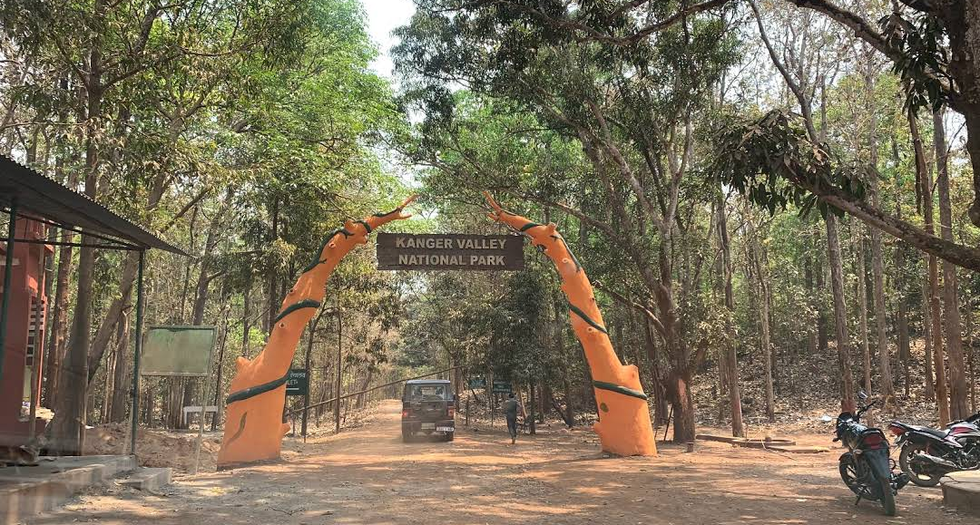
About Kanger Valley National Park:
- It is located in Chhattisgarh.
- The National Park derives its name from the Kanger River, which flows centrally from the Northwest to the Southeast direction.
- The Kanger River is a tributary of the Kolab River, which ultimately joins the Godavari River.
- Topography: It features low flatlands, gentle slopes, steep inclines, plateaus, deep gorges, valleys, and winding stream courses.
- Tirathgarh Falls, which originates from the Kanger River, presents an enchanting view.
- The national park has the famous Kotumsar, Kailash, and Dandak caves.
- Flora: Blend of mixed moist deciduous type of forests with the predominance of Sal, teak, and bamboo.
- Fauna:
- Major wild animals include tigers, mouse deer, leopards, wildcat, sambar, chital, barking deer, langurs, jackals, rhesus macaque, flying squirrel, etc.
- The aerial fauna at the park consists of common hill myna, red jungle fowl, spotted owlet, racket-tailed drongos, parrots, etc.
Prelims Pointers
Dec. 27, 2025
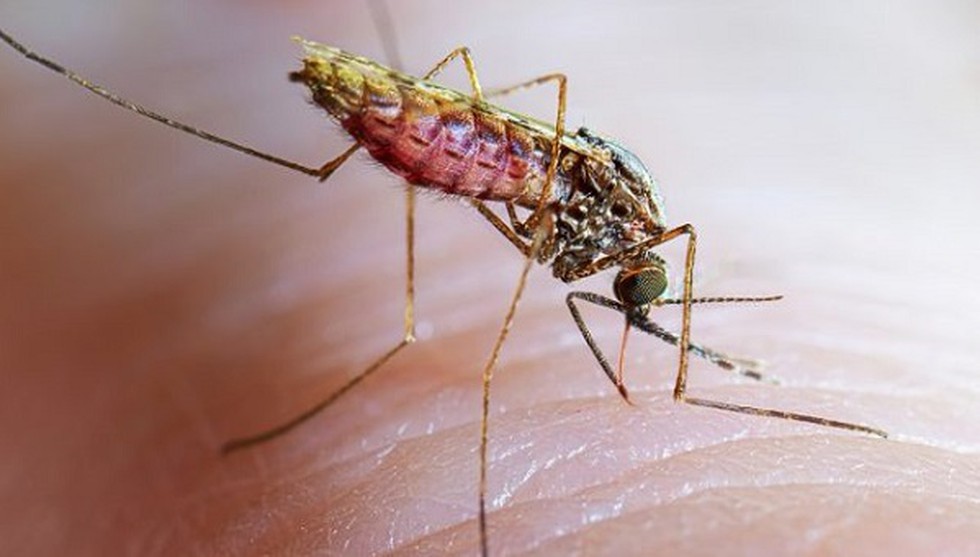
About Anopheles stephensi:
- It is an invasive mosquito species originating from parts of Southeast Asia and the Arabian Peninsula.
- It is a major malaria vector.
- It has recently spread to parts of Africa, posing a growing public-health concern.
- Unlike most malaria vectors, it is adept at colonizing urban environments.
- It can breed in tiny amounts of water year-round and has made a comfortable home in urban areas.
- Throughout its natural range, Anopheles stephensi is an important vector for both Plasmodium falciparum and Plasmodium vivax.
- In urban areas, An. stephensi is found throughout the year but is most abundant in the summer months (between June and August), which coincides with the peak period of malaria transmission.
Prelims Pointers
Dec. 27, 2025

About Santhali Language:
- The Santhali language, which was included in the Eighth Schedule of the Constitution through the 92nd Amendment Act, 2003, is one of the most ancient living languages of India.
- It is spoken by a significant number of tribal people in Jharkhand, Odisha, West Bengal, and Bihar.
- It is primarily used by the Santhal tribal community.
- It is also spoken in Nepal and Bangladesh.
- In India, it is spoken by an estimated 7 million people, according to recent census data.
- It is a member of the Munda branch of the Austroasiatic language family, which is an ancient family of languages spoken across parts of South and Southeast Asia.
- It is quite distinct from the Indo-European language family of languages spoken in much of India.
- It is closely related to other Munda languages, such as Ho, Mundari, and Korku.
- These languages share common features such as their agglutinative nature (where words are formed by stringing together smaller units of meaning) and their use of tones.
- Santhali has a unique and rich tradition, with its own script and oral literature, reflecting the culture and beliefs of the Santhal tribe.
- Santhali uses the Ol Chiki script, a writing system that was developed in 1925 by Pandit Raghunath Murmu, a Santhal scholar and writer.
Prelims Pointers
Dec. 27, 2025

About Global Capability Centres (GCCs):
- Global Capability Centres (GCCs), or Captive Centres, are offshore offices or subsidiaries set up by multinational corporations (MNCs) to handle various business processes and services.
- GCCs connect organizations to a global pool of top-tier talent, equipped with the latest technology and training needed to stay ahead of industry trends, continually innovate, and create sustained growth.
- These centres are responsible for a wide range of tasks, including IT support, research and development (R&D), data analytics, finance, human resources, and other back-office functions.
- Over time, many GCCs have evolved from being simple support centres to becoming strategic hubs that drive innovation and high-value business functions.
- GCCs in India:
- Earlier, GCCs were established in India primarily to reap cost benefits.
- Customer support, data processing, and IT services that these centres mainly focused on.
- Due to its abundant skilled labour force and lower operational cost, India proved to be an ideal location for setting up GCCs.
- However, GCCs have evolved over time to expand massively and now include critical business functions such as R&D, analytics, digital transformation, and innovation.
- Key GCC hubs are located in Bengaluru, Hyderabad, Pune, Chennai, Mumbai, and the National Capital Region (NCR).
Prelims Pointers
Dec. 27, 2025

About Rabies:
- Rabies is a vaccine-preventable, zoonotic, viral disease.
- It is caused by the Rabies virus (RABV) which affects the central nervous system.
- It infects mammals, including dogs, cats, livestock and wildlife.
- It is one of the Neglected Tropical Diseases (NTD)that predominantly affects already marginalized, poor and vulnerable populations.
- Transmission: It spreads to people and animals via saliva, usually through bites, scratches, or direct contact with mucosa (e.g. eyes, mouth, or open wounds).
- Clinically, it has two forms:
- Furious rabies: It is characterized by hyperactivity and hallucinations.
- Paralytic rabies: It is characterized by paralysis and coma.
- Symptoms of Rabies:
- The incubation period for rabies is typically 2–3 monthsbut may vary from one week to one year.
- Initial symptoms include generic signs like fever, pain, and unusual or unexplained tingling, pricking, or burning sensations at the wound site.
- As the virus moves to the central nervous system, progressive and fatal inflammation of the brain and spinal cord develops.
- Once the virus infects the central nervous system and clinical symptoms appear, rabies is fatal in 100% of cases.
- Prevention: Vaccinating dogs, including puppies, is the most cost-effective strategy for preventing rabies in people because it stops the transmission at its source.
Prelims Pointers
Dec. 27, 2025
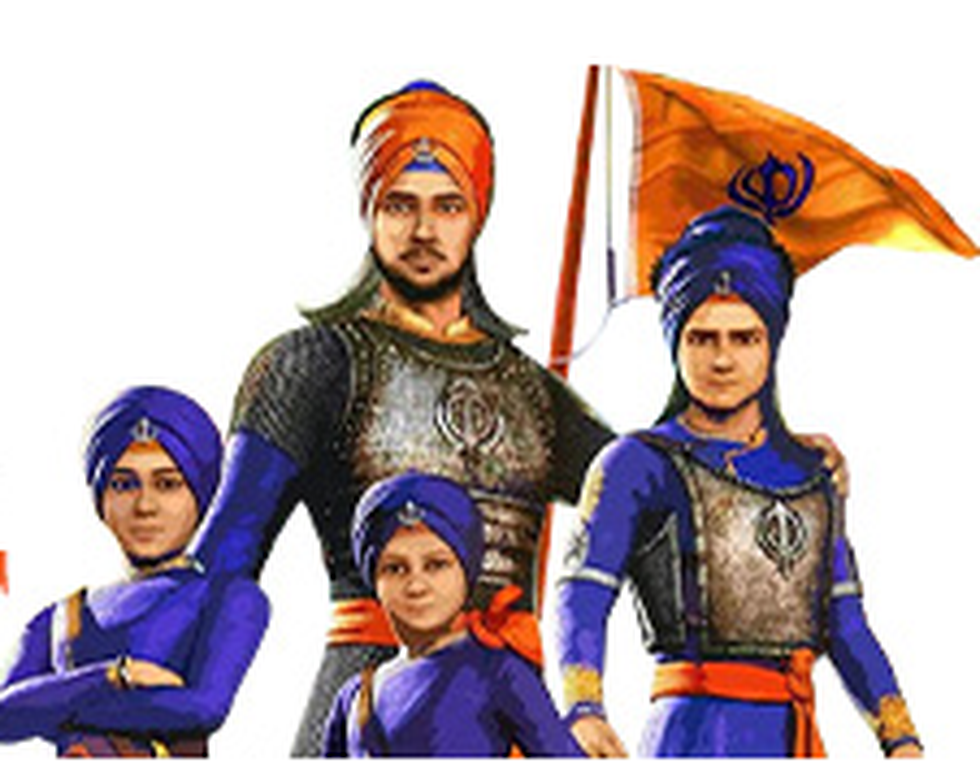
About Veer Bal Diwas:
- It is observed on December 26 every year, since 2022.
- It is commemorated in remembrance of the martyrdom of Guru Gobind Singh ji’s (the tenth Sikh Guru) sons Sahibzada Zorawar Singh ji and Sahibzada Fateh Singh ji.
- The objective is to honour the bravery of the two young heroes of the country.
- Historical Context of Veer Bal Diwas:
- Guru Gobind Singh, along with his family and disciples, were compelled to flee as the Mughal Army encircled the Anandpur fort.
- During the chaos, Guru Gobind Singh’s youngest sons, Zorawar Singh and Fateh Singh, were captured by the Mughal forces.
- The two young boys courageously refused to abandon their faith, and consequently they were bricked alive on December 26, 1704.
Key facts about Guru Gobind Singh:
- Guru Gobind Singh was the 10th Sikh guru, following the demise of his father, Guru Tegh Bahadur, the ninth Sikh Guru.
- Contribution to Sikh religion:
- He is renowned for founding the principles of Khalsaor the Five ‘K’s i.e kesh (uncut hair), kanga (wooden comb), kara (iron or steel bracelet), kirpan (dagger) and kachera (short breeches).
- He fought against the Mughals in the Battle of Muktsar in 1705.
- He declared Guru Granth Sahib as Sikhism’s holy scripture in 1708, before his death.
Prelims Pointers
Dec. 27, 2025
About National Council for Cement and Building Materials:
- It was established in 1962 as an apex research and development organization.
- Objective: To promote research and scientific work connected with cement and building materials trade and industry.
- It functions under the administrative control of Department for Promotion of Industry and Internal Trade (DPIIT), Ministry of Commerce and Industry, Government of India.
- Functions of National Council for Cement and Building Materials:
- NCB’s areas of work span over the entire spectrum of cement manufacturing and usage.
- It serves as the nodal agency for providing the Government the necessary support for formulation of its policy and planning activities related to growth and development of cement industry.
- It is devoted to protect the interests of consumers of cement and concrete in the country.
- It has its corporate centre and main laboratories located at Ballabgarh (near New Delhi).
- It has well established regional centre at Hyderabad and a Centre at Ahmedabad (Gujarat) &
Prelims Pointers
Dec. 27, 2025

About T Chamaeleontis:
- It is a young but sun-like star in the small southern constellation of Chamaeleon.
- It is located about 350 light-years from Earth.
- It can be found in southern celestial hemisphere.
- It is approximately 70 % of the size of Sun and temperature on its surface is around 4838 °C.
- It is surrounded by a planet-forming disk called circumstellar disk that contains a wide gap, likely carved out by an emerging protoplanet.
- Normally, the dense inner regions of such disks act like a protective wall or veil blocking much of the star’s ultraviolet light from reaching the colder, outer regions.
- This gap makes the system a key target for studying how young planets interact with their natal disks and shape their surrounding environments during the early stages of planet formation.
What are Polycyclic Aromatic Hydrocarbons (PAHs)?
- These are flat, ring-shaped molecules of carbon and hydrogen.
- They make up a fifth of all carbon in interstellar space.
- Origin: There is a hypothesis that meteors brought PAHs from space to young earth and created the first building blocks of life.
- Properties of Polycyclic Aromatic Hydrocarbons:
- They have a relatively low solubility in water but are highly lipophilic and are soluble in most organic solvents.
- These hydrocarbons, on earth, are formed through incomplete combustion or pyrolysis of organic materials, such as fossil fuels and biomass.
- When PAHs collide with other particles or absorb high-energy radiation, they can have more internal energy than their weakest chemical bond can handle.
Prelims Pointers
Dec. 27, 2025
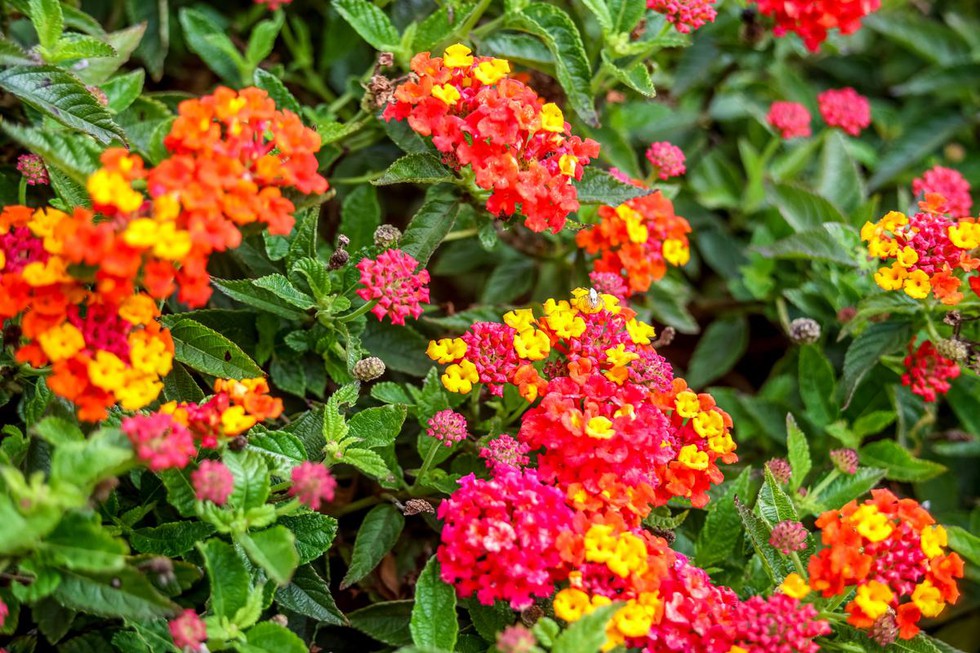
About Lantana camara:
- It is an annual or perennial, small, broadleaf evergreen shrub in the verbena family.
- It is an invasive alien plant species.
- Origin: It is native to the tropical and sub-tropical regions of Central and South America.
- It is an exotic weed that aggressively proliferates and forms a dense mesh of bushes.
- In India, it was first introduced in the early 18th century as an ornamental plant by the British and since then, it has invaded almost all the tropical areas across the country.
- Impact of Lantana camara on Environment:
- Lantana grows in a notoriously aggressive way, releasing chemicals into the soil that suppress other vegetation.
- Its leaves, flowers, and berries contain toxins that make them harmful to livestock.
- Its roots dig deep into the soil and spread wide in search of water and nutrients.
- Its timber is used for making furniture and also as fuelwood, etc.
- Its biomass can be used to produce organic compost and vermicompost, which will be better for organic farming.