Nov. 30, 2025
Prelims Pointers
Nov. 30, 2025

About Perseverance Rover:
- Perseverance, nicknamed “Percy“, is a semi-autonomous rover the size of a small car designed to explore the surface of Mars.
- It is part of NASA’s ongoing Mars 2020 Mission.
- Landing: Successfully landed on the surface of Mar’s Jezero Crater in 2021.
- It is the first rover to actually land in an ancient Martian river delta, located inside the Jezero crater.
- Objective: Seek signs of ancient life and collect samples of rock and regolith (broken rock and soil) for possible return to Earth.
- The rover will be able to detect organic matter and minerals, map the chemical composition of rocks and sediments, and zoom in on distant rocks and rugged terrain for further inspection.
- It is the first rover to record sounds on Mars and broadcast them back to Earth.
- It is the first rover to create oxygen on Mars. Perseverance carries an instrument called MOXIE, which can generate oxygen from Mars’ carbon dioxide atmosphere.
- Features:
- Perseverance is built from the same basic design as Curiosity, which landed on Mars about a decade before Perseverance.
- Power source: Multi-Mission Radioisotope Thermoelectric Generator (MMRTG). It converts heat from the radioactive decay of plutonium into electricity.
Key Facts about Ingenuity Helicopter:
- It is a small, autonomous aircraft.
- Objective: Technology demonstration to test the first powered flight on Mars.
- The helicopter rode to Mars attached to the belly of the Perseverance rover.
- It became the first aircraft in history to make a powered, controlled flight on another planet.
- Ingenuity uses solar power to charge its batteries and can operate autonomously.
Prelims Pointers
Nov. 30, 2025
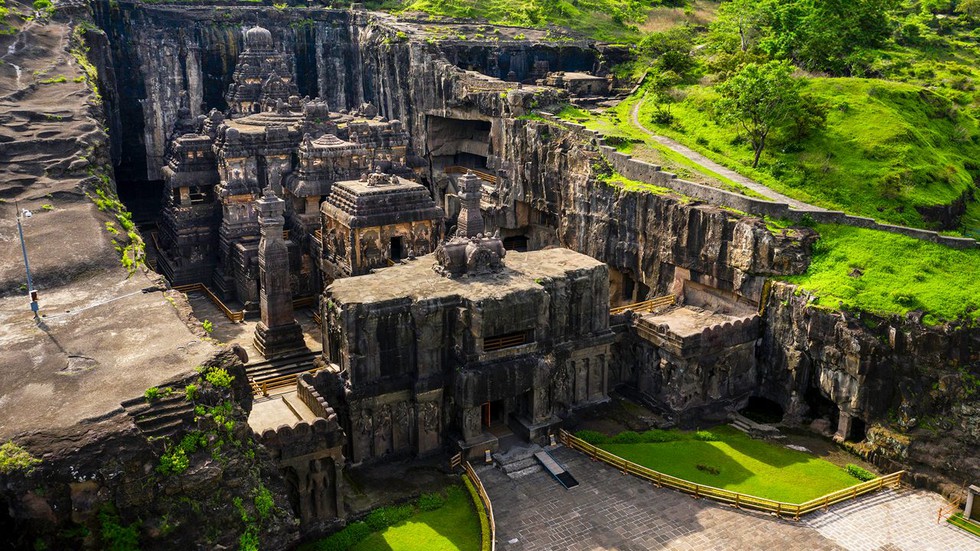
About Ellora Caves:
- They are located near the village of Ellora in Maharashtra.
- Inscribed as a UNESCO World Heritage Site in 1983, the Ellora Caves are an extraordinary complex of rock-cut monasteries and temples carved into a high basalt cliff.
- These structures date from the 6th to the 10th century CE and represent three major religions—Buddhism, Hinduism, and Jainism.
- The sculptures range from depictions of deities, celestial beings, and mythological scenes to portraits of royalty and everyday life.
- The architectural brilliance of Ellora is most evident in the Kailasanatha Temple, the site’s grandest and most breathtaking structure.
- It is one of the largest monolithic structures in the world.
- The structure is carved vertically from a single rock.
- The temple features ornate pillars, detailed sculptures, massive courtyards, and elaborate carvings that depict stories from Hindu epics like the Ramayana and Mahabharata.
- The Buddhist caves include large chaityas (prayer halls) and viharas (monasteries), while the Jain caves are known for their intricate detailing and depictions of Jain Tirthankaras.
Prelims Pointers
Nov. 30, 2025
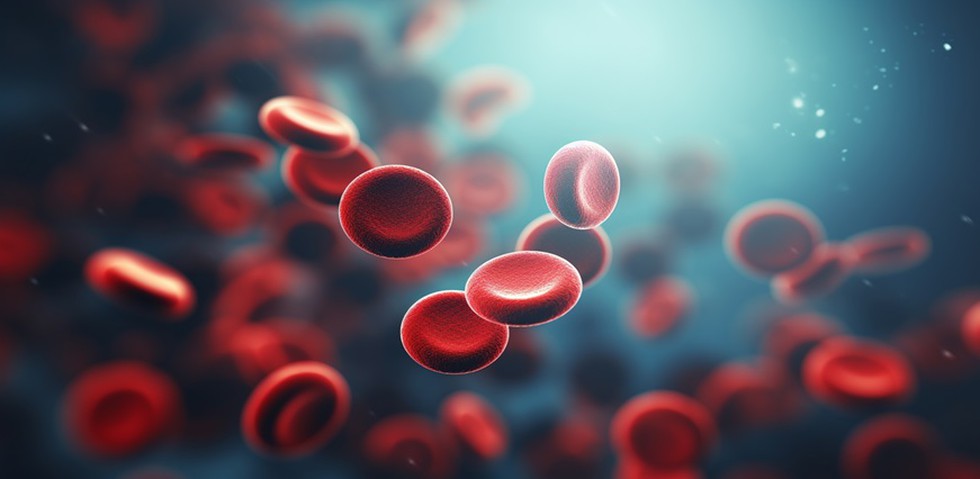
About Thalassemia:
- It is an inherited blood disorder.
- It affects the body’s ability to produce normal hemoglobin.
- Hemoglobin is a protein in red blood cells (RBCs). It allows the RBCs to transport oxygen throughout your body.
- In thalassemia, the body produces fewer healthy hemoglobin proteins, and bone marrow produces fewer healthy RBCs.
- The condition of having fewer RBCs is called anemia.
- As RBCs serve the vital role of delivering oxygen to tissues in body, not having enough healthy RBCs can deprive your body’s cells of the oxygen they need to make energy and thrive.
- Thalassemia is caused by inheriting a gene mutation (change in the normal DNA) from one or both parents.
- Traits for thalassemia are more common in people from Mediterranean countries, like Greece and Turkey, and in people from Asia, Africa, and the Middle East.
- There are different types of thalassemia. The type someone has depends on which gene mutation they inherit.
- Symptoms: Thalassemia can cause mild or severe anemia and other complications over time (such as iron overload).
- Symptoms of Anemia Include:
- Trouble breathing.
- Feeling cold.
- Pale skin.
- Severe thalassemia may cause death.
- Treatments:
- Blood transfusions – regular blood transfusions treat and prevent anemia; in severe cases these are needed around once a month.
- Chelation therapy – treatment with medicine to remove the excess iron from the body that builds up as a result of having regular blood transfusions.
- The only possible cure for thalassemia is a stem cell or bone marrow transplant, but this is not done very often because of the risks involved.
Prelims Pointers
Nov. 30, 2025

About SIM Binding:
- SIM binding refers to a form of device binding in which a user's mobile device is securely linked to their SIM card.
- This approach enhances security by ensuring that authentication processes are tied not just to the device but specifically to the unique identity of the SIM card, reducing the risk of unauthorised access.
- This prevents the user from hackers, spammers, and fraudsters to misuse numbers.
Recent Government Directions:
- The Department of Telecommunications (DoT) has asked all over-the-top communication platforms operating in India to complete the SIM-binding-to-device exercise within the next 90 days.
- The DoT has directed these apps to make sure their services work only when the correct SIM card is in the phone.
- If the app stops working the moment the SIM is removed, the government believes it will close one loophole that scammers use to stay untraceable.
- Several financial applications, including banking and Unified Payment Interface (UPI) apps, already enforce strict active-SIM rules to prevent fraud.
Prelims Pointers
Nov. 30, 2025
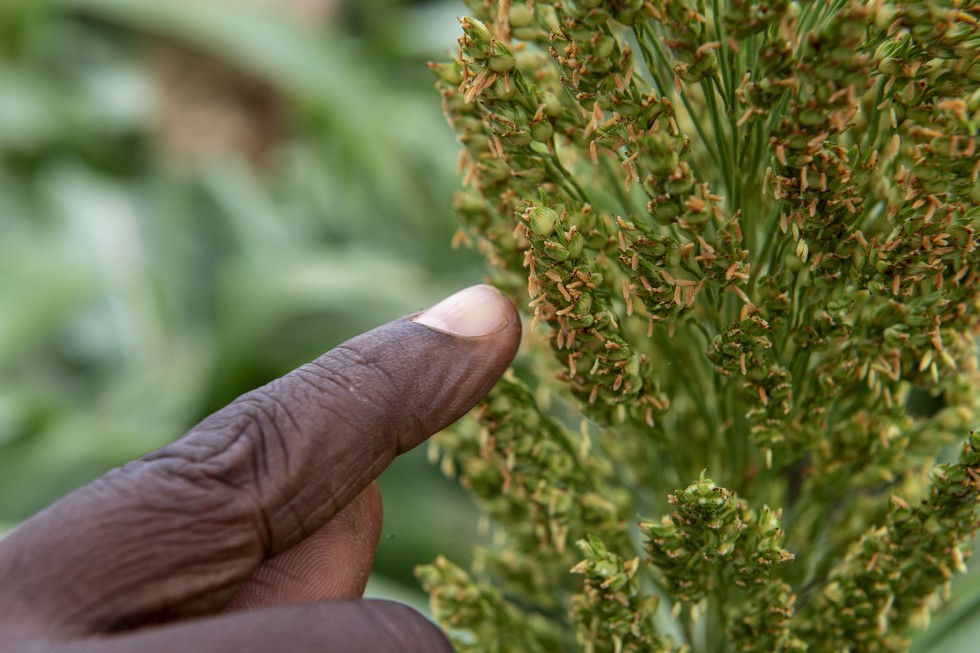
About International Treaty on Plant Genetic Resources for Food and Agriculture (ITPGRFA):
- It was adopted by the Thirty-First Session of the Conference of the Food and Agriculture Organization (FAO) of the United Nations in 2001.
- Entering into force in 2004, it is the only legally binding international agreement that specifically deals with the conservation and sustainable management of plant genetic resources for food and agriculture (PGRFA).
- The countries which participate in the treaty exchange and share genetic material and information for most of the world’s most important food crops.
- Objectives:
- Conservation and sustainable use of PGRFA.
- Fair and equitable sharing of the benefits arising out of their use, in harmony with the Convention on Biological Diversity, for sustainable agriculture and food security.
- The treaty ensures that farmers and plant breeders access, easily, the raw genetic material needed to develop new crop varieties, including those with higher yields and those that are resilient to climate change.
- The International Treaty makes it possible to share plant genetic resources across borders through a unique Multilateral System of Access and Benefit-sharing (MLS).
- MLS applies to 64 major crops and forages over which recipients cannot claim Intellectual Property Rights (IPR) or any other rights.
- The exchange of material from the MLS is operationalised through the standard material transfer agreement (SMTA), a legal document that governs the terms under which genetic material is shared.
- Those who access genetic materials through the Multilateral System agree to share any benefits from their use.
- Fair sharing of benefits from use can be achieved through information exchange, access to and transfer of technology, capacity building, and sharing of the financial and other benefits of marketing.
- This treaty established and operates a special initiative operated for the benefit of developing countries–the Benefit-sharing Fund (BSF).
- BSF supports agricultural projects for farmers, public institutions and others in developing countries to conserve and use PGRFA to improve food crop production, fight plant pests, and adapt to the effects of climate change.
Prelims Pointers
Nov. 30, 2025
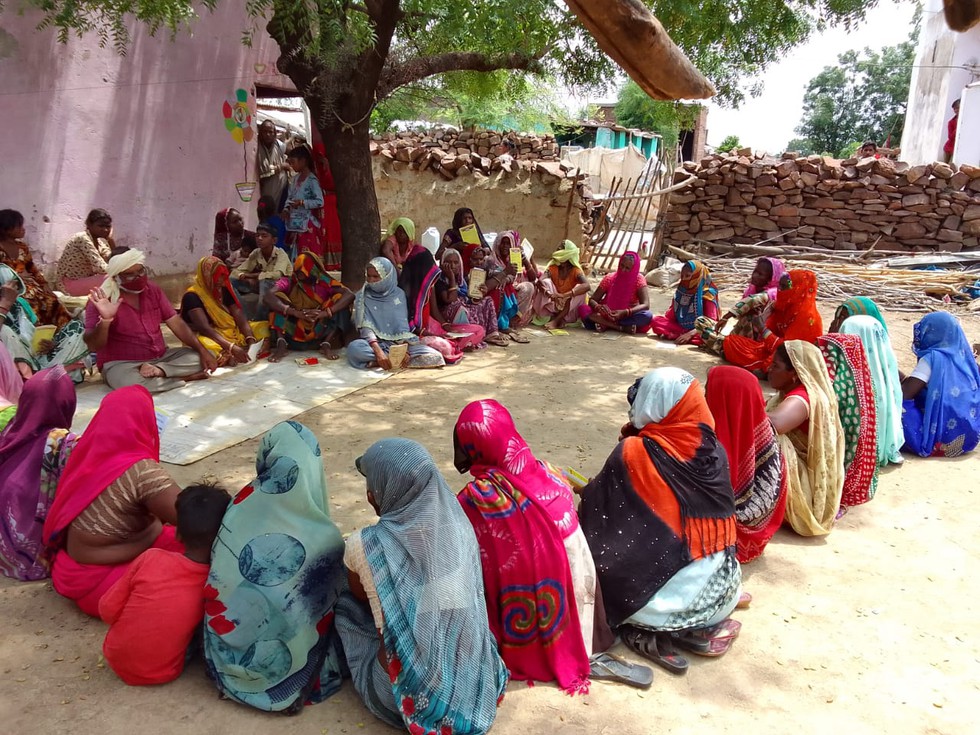
About Sahariya Tribe:
- It is one of the Particularly Vulnerable Tribal Groups (PVTG).
- The Sahariya community is also called by the names Seher, Sair, Savar, Saonar, Sahra, etc.
- They live in Madhya Pradesh and Rajasthan.
- Living condition and Social Structure:
- They mostly live in a separate area in the village, which is called ‘Seharana’ which is generally a cluster of houses.
- The houses are made of some stone boulders, and the roofing is also made of stone slabs – locally called Patore. In some villages, mud structures are also constructed.
- Religion and Language
- Language: While the Sahariyas have lost their original language, they speak the local dialects of the regions they inhabit.
- They are known for their dance, the Saharia Swang, which is performed on the festival of Holi.
- Livelihood: They are predominantly forest dwellers and make their living from forest produce, additionally cultivating small plots of land.
- They are particularly skilled in making catechu from khair trees.
Prelims Pointers
Nov. 30, 2025
About Asia Power Index:
- It is published annually by the Australia-based think tank, Lowy Institute.
- It assesses the ability of nations, particularly of those in the Asian continent, to influence their external environment.
- It is the seventh edition it evaluates the countries and territories across Asia, based on indicators across eight thematic measures, including Military Capability and Defence Networks, Economic Capability and Relationships, Diplomatic and Cultural Influence and Resilience and Future Resources.
Highlights of Asia Power Index 2025:
- India ranks third for two measures economic capability and future resources.
- India’s economic and military capability, have both increased in the 2025 edition of the Asia Power Index.
Prelims Pointers
Nov. 30, 2025

About Hansa-3 (NG) Trainer Aircraft:
- It is India’s first indigenous flying trainer aircraft.
- It was designed and developed by CSIR-National Aerospace Laboratories, Bangalore, under the aegis of the Council of Scientific and Industrial Research (CSIR).
- Features of Hansa-3 (NG) Trainer Aircraft:
- It has an advanced electronic fuel injection system, which controls the fuel and air mixtures electronically and provides optimum fuel air mixture at every altitude.
- It is an ideal aircraft for Commercial Pilot Licensing (CPL) due to its low cost and low fuel consumption.
Prelims Pointers
Nov. 30, 2025
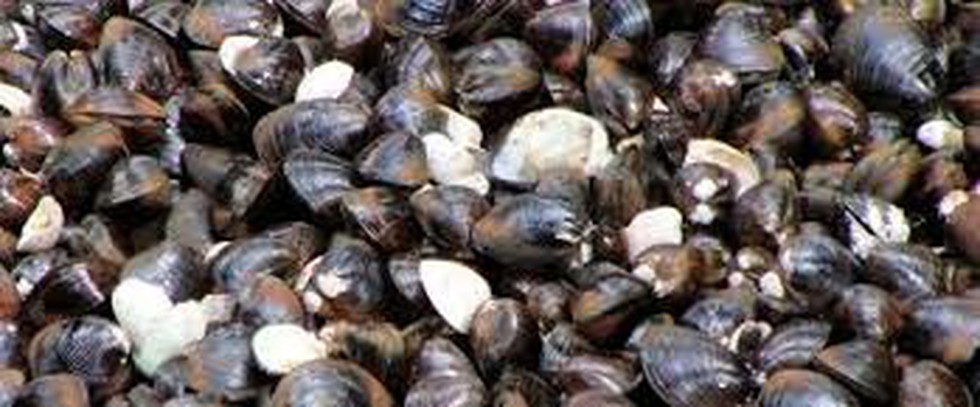
About Short Neck Clam:
- It is a valuable bivalve mollusk.
- It is India’s first Marine Stewardship Council (MSC) certified
- It is the major fishery resource of the brackish water Ashtamudi Lake in Kerala, India
- Economic Significance:
- It is used in cement production and to make carbide for use in welding.
- They are also used for lime burning for construction, in paddy field and fish farms for neutralizing acid soil and as slaked lime.
- Reasons for its decline: Environmental pollution, invasion of non-native species like the Charru mussel, climate change, including altered salinity and water temperature, have significantly reduced the clam population.
Prelims Pointers
Nov. 30, 2025
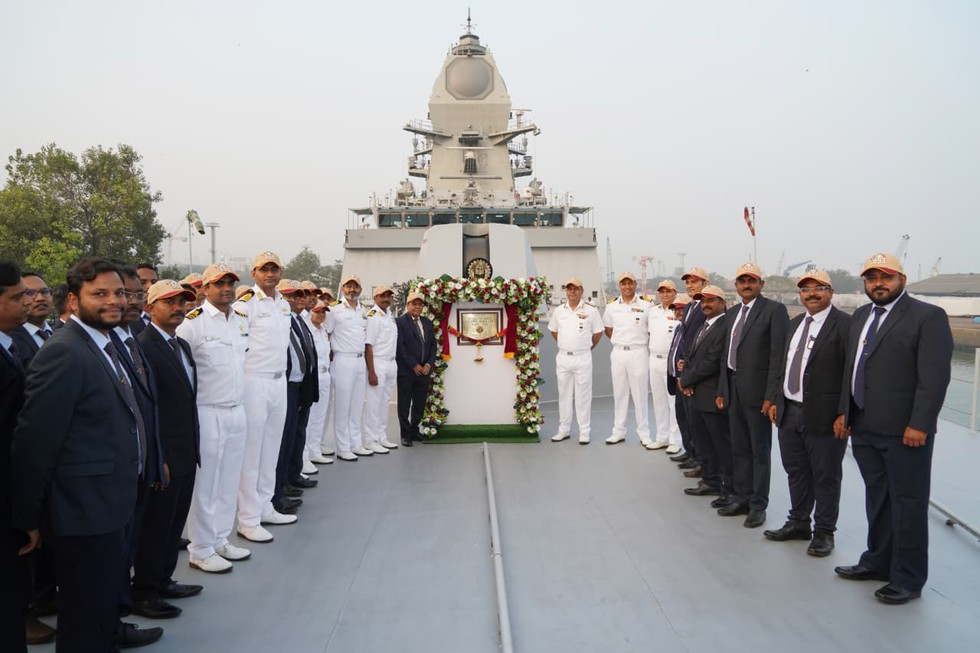
About INS Taragiri:
- It is the fourth ship of Nilgiri Class (Project 17A) ship built by Mazagon Dock Shipbuilding Ltd (MDL)
- It is a reincarnation of the erstwhile INS Taragiri, a Leander-class frigate that was part of the Indian Naval fleet.
- It is designed by the Warship Design Bureau (WDB).
- Features of INS Taragiri:
- P17A ships are fitted with an advanced weapon and sensor suite compared to the P17 (Shivalik) class.
- Propulsion: It is configured with Combined Diesel or Gas (CODOG) propulsion plants, comprising a diesel engine and a gas turbine that drive a Controllable Pitch Propeller (CPP) on each shaft, and state-of-the-art Integrated Platform Management System (IPMS).
- Weapon suit: The potent weapon and sensors suite comprises BrahMos SSM, MFSTAR and MRSAM complex, along with rockets and torpedoes for anti-submarine warfare.
What is Project 17A?
- It was launched by the defence forces of India to construct a series of stealth guided-missile frigates.
- Under the Project 17A programme, four ships by Mumbai-based Mazagon Dock Shipbuilders Limited (MDL) and three by Garden Reach Shipbuilders and Engineers Limited (GRSE) are being built.
Nov. 29, 2025
Prelims Pointers
Nov. 29, 2025
About Central Board of Indirect Taxes and Customs (CBIC):
- CBIC, formerly known as the Central Board of Excise and Customs (CBEC), is one of the Boards constituted under the statute the Central Boards of Revenue Act, 1963.
- It is the apex body under the Department of Revenue, Ministry of Finance, responsible for administering indirect taxes in India.
- It deals with the tasks of
- Formulation of policy concerning levy and collection of Customs, Central Excise duties, Central Goods & Services Tax and IGST.
- Prevention of smuggling and administration of matters relating to Customs, Central Excise, Central Goods & Services Tax, IGST, and Narcotics to the extent under CBIC's purview.
- The Board is the administrative authority for its subordinate organizations, including Custom Houses, Central Excise and Central GST Commissionerates, and the Central Revenues Control Laboratory.
- The CBIC is headed by a Chairman and has 6 members in addition to the Chairman.
Prelims Pointers
Nov. 29, 2025
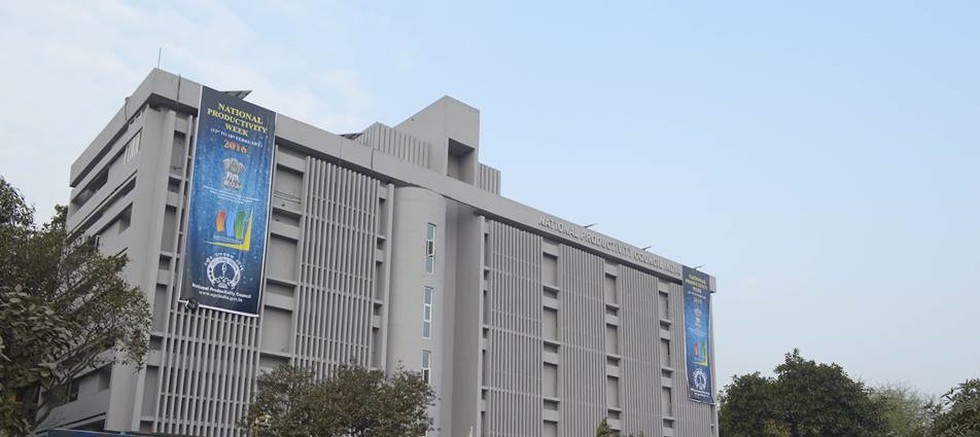
About National Productivity Council (NPC):
- NPC, established in 1958, is an autonomous organization under the Department for Promotion of Industry & Internal Trade, Ministry of Commerce and Industry.
- It is a non-profit organization with equal representation from employers’ & workers’ organizations and the Government, apart from technical & professional institutions and other interests.
- Headquarters: New Delhi
- Objectives:
- To increase awareness of productivity in general, especially of the concepts and techniques aimed at strengthening the microeconomic foundations of economic development, rooted in operating practices and strategies of the organizations.
- To function as a think tank of the Government on measures needed to enhance focus on productivity
- To be among the premier productivity consultancy and training organizations of the country in the first phase and of the South & Southeast Asian region in the long run.
- To raise financial resources to sustain its operations on its own on a self-generating and continuing basis.
- Functions:
- Consultancy to organizations on productivity improvement.
- Training of personnel at different levels.
- Dissemination of productivity information through seminars, workshops, conferences, etc.
- Productivity Research and Database.
- Productivity Publications.
- Productivity Awards.
- It is a constituent of the Tokyo-based Asian Productivity Organisation (APO), an Inter-Governmental Body of which the Government of India is a founding member.
Prelims Pointers
Nov. 29, 2025
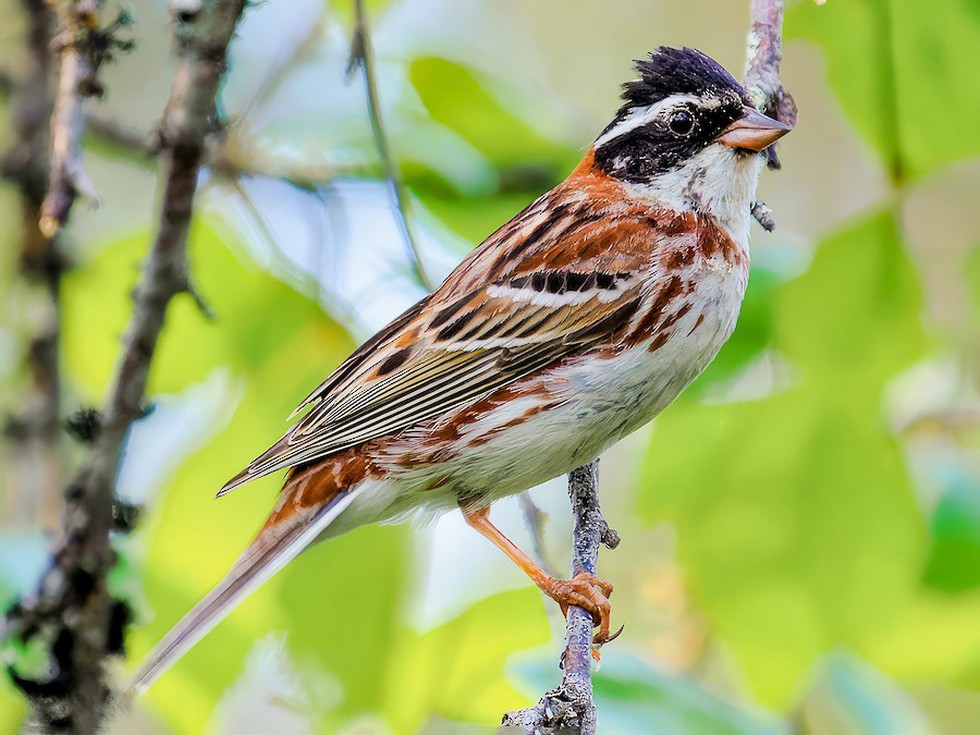
About Rustic Bunting:
- It is a passerine bird in the bunting family Emberizidae.
- Scientific Name: Emberiza rustica
- Distribution:
- Its breeding range extends from the Nordic regions to eastern Siberia.
- It migrates to southeast Asia and parts of East Asia, including Japan, Korea, and eastern China, during the winter months.
- There are only a handful of records of it being seen across India – predominantly in the northeast and across the Himalayan belt.
- Conservation Status:
- IUCN Red List: Near Threatened
Prelims Pointers
Nov. 29, 2025

About Syntactic Foam:
- A syntactic foam is a composite material that is produced by filling a metal, polymer, or ceramic with pre-formed inorganic hollow spheres known as micro balloons.
- Properties:
- Lightweight with high strength: The use of hollow microspheres allows foam to maintain a low weight while offering excellent compressive strength.
- Superior buoyancy: Its inherent low density makes it ideal for subsea applications where buoyancy is critical.
- Thermal and acoustic insulation: It reduces thermal conductivity and dampens noise, improving performance in marine and aerospace environments.
- Corrosion and water resistance: The closed-cell structure prevents water absorption, enhancing its longevity in saltwater and chemically aggressive environments.
- Applications:
- Subsea and offshore: Ideal for Remotely Operated Vehicles (ROVs), Autonomous Underwater Vehicles (AUVs), and pipeline insulation.
- Aerospace: Used in satellite components and structural parts where weight reduction is essential without sacrificing strength.
- Defense and Military: Employed in sonar domes, buoyancy modules, and lightweight armor due to its impact resistance.
- Automotive and Sports: Increasingly adopted for lightweight, high-impact applications such as crash protection and performance gear.
What is the Samudrayaan Project?
- It is India’s first manned mission to explore the deep ocean.
- It is aimed to develop a self-propelled manned submersible to carry three human beings to a water depth of 6,000 meters in the ocean with a suite of scientific sensors and tools for deep ocean exploration.
- It is designed to study the deep ocean resources and conduct biodiversity assessments as well.
- The project is part of the larger Deep Ocean Mission, which supports the Central Government’s Blue Economy policy.
- Nodal Ministry: Ministry of Earth Sciences (MoES).
What is MATSYA 6000?
- It is a manned submersible vehicle developed by the National Institute of Ocean Technology (NIOT), Chennai.
- It was developed under the Samudrayaan mission to facilitate humans in the deep ocean in exploring mineral resources.
Prelims Pointers
Nov. 29, 2025
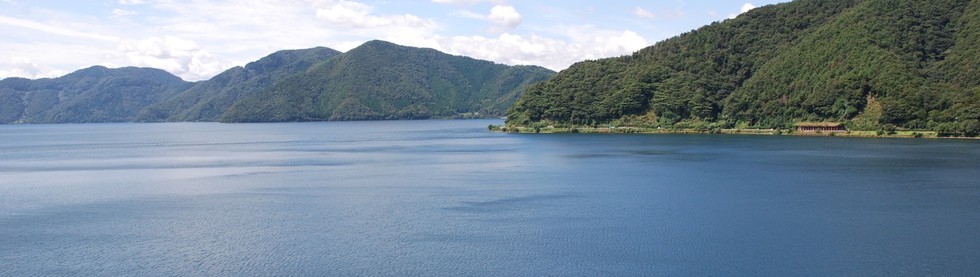
About Lake Biwa:
- It is the largest freshwater lake in Japan.
- Its name refers to the biwa, a Japanese musical instrument that the lake resembles in shape.
- It is believed to be one of the world's oldest lakes, formed at least four million years ago.
- It is a breeding ground for freshwater fish, including trout, and supports a pearl culture industry.
- It was designated as a Ramsar site in 1993.
Prelims Pointers
Nov. 29, 2025
About Indian Pharmacopoeia Commission:
- It is an autonomous institution of the Ministry of Health and Family Welfare, Government of India.
- It is created to set standards of drugs in the country.
- Functions of Indian Pharmacopoeia Commission
- Its basic function is to update regularly the standards of drugs commonly required for treatment of diseases prevailing in this region.
- It publishes official documents for improving Quality of Medicines by way of adding new and updating existing monographs in the form of Indian Pharmacopoeia (IP).
- It further promotes rational use of generic medicines by publishing National Formulary of India.
- It prescribes standards for identity, purity and strength of drugs essentially required from the health care perspective of human beings and animals.
- It also provides IP Reference Substances (IPRS) which act as a fingerprint for identification of an article under test and its purity as prescribed in IP.
What is Pharmacopoeia?
- The Pharmacopoeias are official compendia of quality standards of the drugs being imported, manufactured for sale, stocked or exhibited for sale or distributed in India.
Prelims Pointers
Nov. 29, 2025
About India Internet Governance Forum:
- It is the Indian chapter of the United Nations Internet Governance Forum (UN IGF) which was established in 2021.
- It is a global multi-stakeholder platform that fosters dialogue on public policy issues related to the Internet.
- It aims to maximize the opportunities of the Internet while addressing associated challenges and risks.
- IIGF promotes collaborative discussions among representatives from government, civil society, industries, technical communities, think tanks, and industry associations.
- It is guided by a 14-member multi-stakeholder committee, IIGF Known for its inclusive and collaborative approach.
- Role of IIGF: It plays a vital role in shaping policies for an open, secure, and accessible Internet, addressing issues such as cybersecurity, digital inclusion, data privacy, and emerging technologies.
- Theme of the fifth edition of IIGF: “Advancing Internet Governance for an Inclusive and Sustainable Viksit Bharat.”
What is Internet Governance?
- It is the process of developing norms and principles that impact the way the Internet is used and functions.
- It includes solving technical issues, setting regulatory frameworks, and policymaking to respond to social, economic and security matters, as well as questions of trust, standard-setting, accountability and jurisdiction.
Prelims Pointers
Nov. 29, 2025

About Golden Jackal:
- It is also known as the common jackal or reed wolf is a medium-sized wolf-like canid.
- It is strictly nocturnal in areas inhabited by humans, but may be partly diurnal elsewhere.
- It digs caverns for shelter, or use crevices in rocks, or caverns that were dug by other animals.
- Habitat: These animals are abundant in valleys and along rivers and their tributaries, canals, lakes, and seashores, but are rare in foothills and low mountains.
- Distribution: North and East Africa, Southeastern Europe and South Asia to Burma.
- They are quite widespread across India. Right from the Himalayan foothills, down to the Western Ghats, the Golden Jackal has a wide distribution.
- Diet: They are These opportunistic foragers have a rather diverse diet.
- Conservation Status
- IUCN: Least Concern
- CITES: Appendix III
- Wildlife Protection Act, 1972: Schedule I
Prelims Pointers
Nov. 29, 2025

About MH-60R Seahawk Helicopter:
- It is often called the “Romeo” is a state-of-the-art naval helicopter.
- It is manufactured by US defence major, Lockheed Martin.
Features of MH-60R Seahawk Helicopter:
- All Weather Capability: It is an all-weather helicopter designed with state-of-the-art avionics and sensors.
- Multi mission: It is designed for anti-submarine warfare (ASW), anti-surface warfare (ASuW), maritime surveillance, search and rescue, medical evacuation, and ship-borne operations.
- Advanced Sensors: It is one of the world’s best submarine-hunting helicopters, equipped with advanced sensors like the AN/AQS-22 ALFS dipping sonar, sonobuoys, and multi-mode radar.
- It also carries the powerful Mk-54 torpedo, allowing it to detect, track, and engage underwater threats.
- For surface warfare missions, the MH-60R can carry AGM-114 Hellfire missiles, lightweight torpedoes, and machine guns.
- It is combined with electro-optical sensors and radar systems can identify hostile ships, fast attack craft, or suspicious vessels and neutralise them with precision.
Prelims Pointers
Nov. 29, 2025
About National Mission for Mentoring:
- It is flagship initiative of the Department of School Education and Literacy, Ministry of Education.
- It is in line with the National Education Policy (NEP) 2020.
- It was launched in 2022 in selected 30 Central Schools across the country.
- It provides platforms for professionals and experts where they can share knowledge, skills and expertise as a Mentor with Mentee teachers and help them in their journey to become effective teachers.
- Aim: It aims to create a supportive environment, enhance mentorship experiences and contribute to individual and collective growth.
- National Council for Teacher Education (NCTE) has been assigned to develop and design the modalities for National Mission for Mentoring (NMM).
- NCTE released a comprehensive document on the mission (NMM – The Blue Book) with a detailed roadmap of its framework and implementation strategy.
- Important stakeholders: Mentor (the guide), Mentee (the teacher) and The Nodal officers/administration
- Implementation strategy:
- Building capacity: Seminars and workshops are conducted to teach “Master Mentors” who can subsequently teach others.
- Incentivisation: Although participation is voluntary, the NMM manual encourages participants to do so with certificates, performance credits and other incentives.
Nov. 28, 2025
Prelims Pointers
Nov. 28, 2025

About Arunachalesvara Temple:
- It is located at the base of Arunachala Hill in Tiruvannamalai in Tamil Nadu.
- It is dedicated to Lord Arunachalesvara, a form of Lord Shiva.
- The temple’s origin dates back thousands of years, with references in ancient scriptures and Tamil Saiva texts.
- The current structure, however, was built during the period of the early Chola kings (9th century AD), expanded during the period of the later Cholas, Hoysala (Bhosala) kings, and Vijayanagarar Nayakar kings,
- Architecture:
- The temple is a fine example of Dravidian architecture.
- The temple complex is among the largest in the country.
- The Rajagopuram is regarded as among the tallest temple towers in the country built by the Nayaka kings.
- There are nine lofty gopurams, intricately carved with mythological figures and deities.
- It has a massive thousand-pillar hall built by the ancient kings.
Prelims Pointers
Nov. 28, 2025
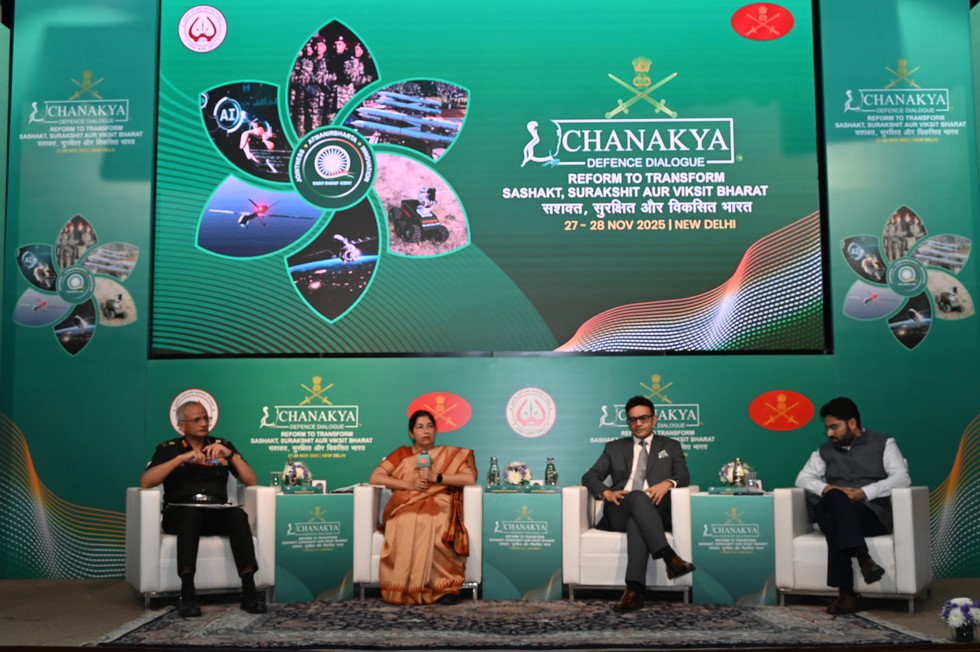
About Chanakya Defence Dialogue 2025 (CDD 2025):
- CDD is an annual platform that encourages discussion on contemporary security issues, technological advancements in defense, and strategic partnerships.
- It is organised by the Indian Army, in collaboration with the Centre for Land Warfare Studies (CLAWS).
- It is the third edition of the dialogue.
- Scheduled as a two-day conference, the gathering will feature military leaders, global strategic experts, diplomats, industry leaders, and young scholars.
- The 'Chanakya Defence Dialogue', named after the ancient Indian strategist Chanakya, aims to create a comprehensive platform for strategic deliberation on India’s future security architecture.
- It examines India’s security challenges and technological frontiers in an increasingly contested global landscape.
- The dialogue’s outcomes are expected to inform future military policies and enhance cooperative security arrangements, potentially influencing regional peace and stability.
Prelims Pointers
Nov. 28, 2025

About Vitamin B12:
- It is a water-soluble vitamin.
- It is also called cobalamin.
- It is a vitamin the body uses to make and support healthy nerve cells.
- It's also used to make healthy red blood cells and the genetic material inside cells called DNA.
- Human body cannot produce B12 on its own, so it must be obtained through foods high in vitamin B12 or supplements.
- It is naturally found in animal foods such as fish, meat, poultry, eggs, milk, and milk products.
- It is not present in plant foods unless fortified.
- The body stores vitamin B12 in the liver.
- The body can store vitamin B12 for 2 to 5 years, and it can get rid of any excess or unwanted vitamin B12 in the urine.
- Vitamin B12 Deficiency:
- People who follow a vegetarian or vegan diet can sometimes have low levels of Vitamin B12. This is because plant foods don't have vitamin B-12.
- Older adults and people who have had stomach surgery also are at risk because they may not absorb the vitamin as well.
- People with digestive conditions such as celiac disease and Crohn's disease also are at risk of low vitamin B-12 levels.
- People with very low vitamin B-12 levels can have symptoms such as fatigue, muscle weakness, stomach problems, nerve damage, vision problems, and mood changes.
- They also may have low iron, called anemia, or low blood counts.
Prelims Pointers
Nov. 28, 2025
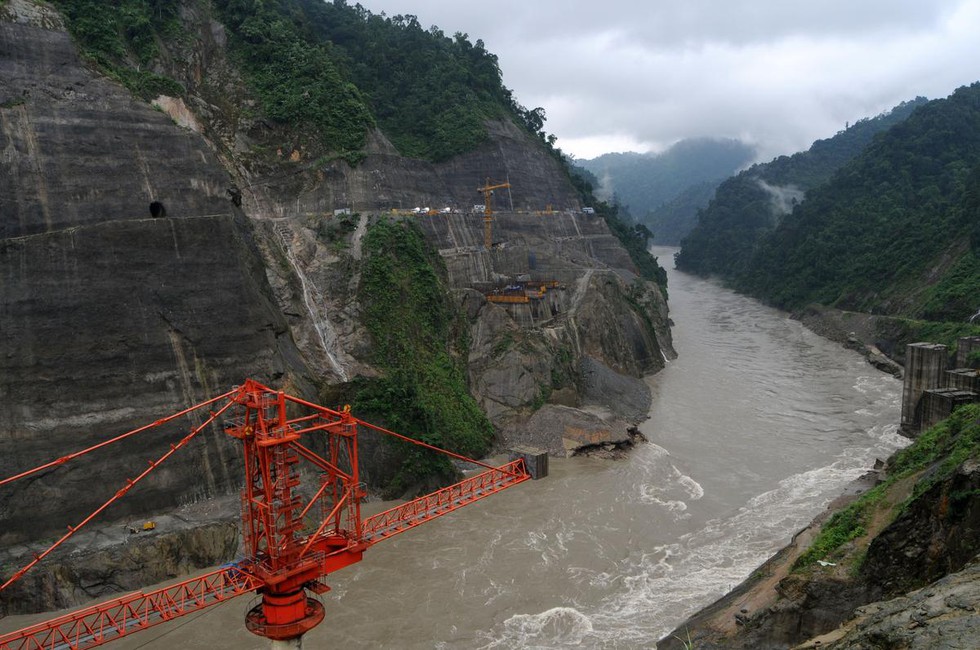
About Etalin Hydroelectric Project:
- It is a 3,097 MW hydropower project planned on Dri and Talo rivers (tributaries of the Dibang river) in Arunachal Pradesh’s Dibang Valley.
- It is one of the largest hydropower projects proposed in the country in terms of installed capacity.
- EHEP is proposed to be developed as a combination of two run-of-the-river schemes.
- The project is being executed by NHPC Limited (formerly known as the National Hydroelectric Power Corporation).
- The project will feature two concrete gravity dams.
- The project area falls under the “richest bio-geographical province of the Himalayan zone” and “one of the mega biodiversity hotspots of the world”.
- The project area is dominated by indigenous populations belonging to Idu-Mishmi tribes.
Prelims Pointers
Nov. 28, 2025
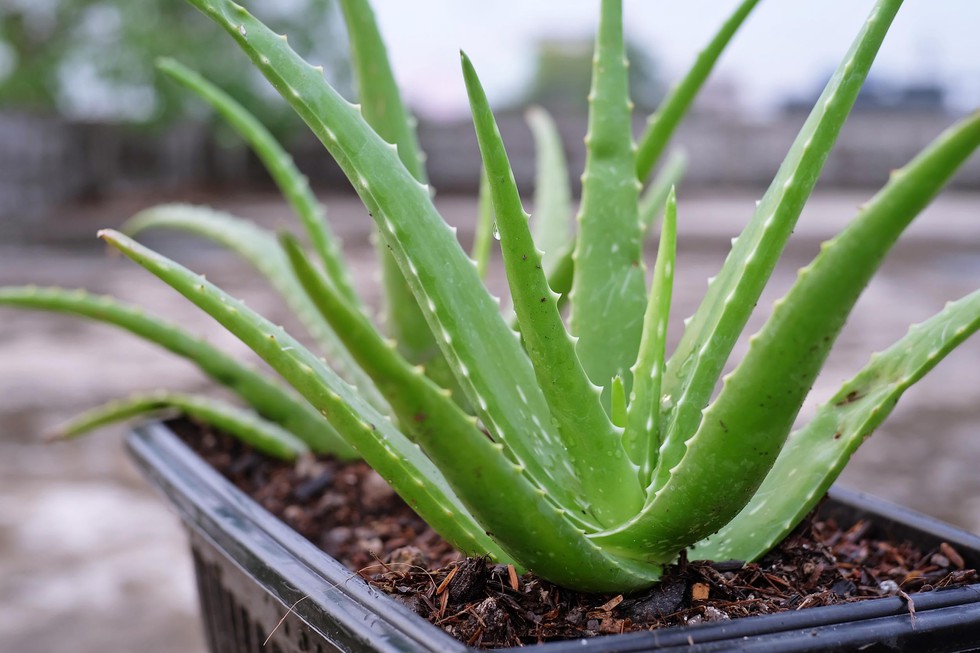
About Aloe Vera:
- It is a succulent plant belonging to the Aloaceae family, known for its medicinal and therapeutic properties.
- Scientific Name: Aloe barbadensis Mill
- Distribution:
- It is native to the arid, desert regions of the Arabian Peninsula, particularly in Oman, Yemen, and Saudi Arabia.
- It thrives in hot, dry climates with well-drained, sandy, or rocky soils.
- It is widely cultivated in various warm regions around the world, including parts of North Africa, the Canary Islands, India, and the southwestern United States.
- It is a thick, short-stemmed plant that stores water in its leaves.
- It is known for its thick, pointed, and fleshy green leaves.
- Each leaf contains a slimy tissue that stores water, making the leaves thick.
- This water-filled tissue is the “gel” that people associate with aloe vera products.
- The gel contains beneficial bioactive compounds, including vitamins, minerals, and antioxidants.
- Uses:
- Aloe vera is known for its antibacterial, antiviral, and antiseptic properties.
- It is best known for treating skin injuries.
- It inhibits the growth of different types of bacteria.
- It is used in arid regions for erosion control due to its shallow root system and ability to stabilize soil.
Prelims Pointers
Nov. 28, 2025
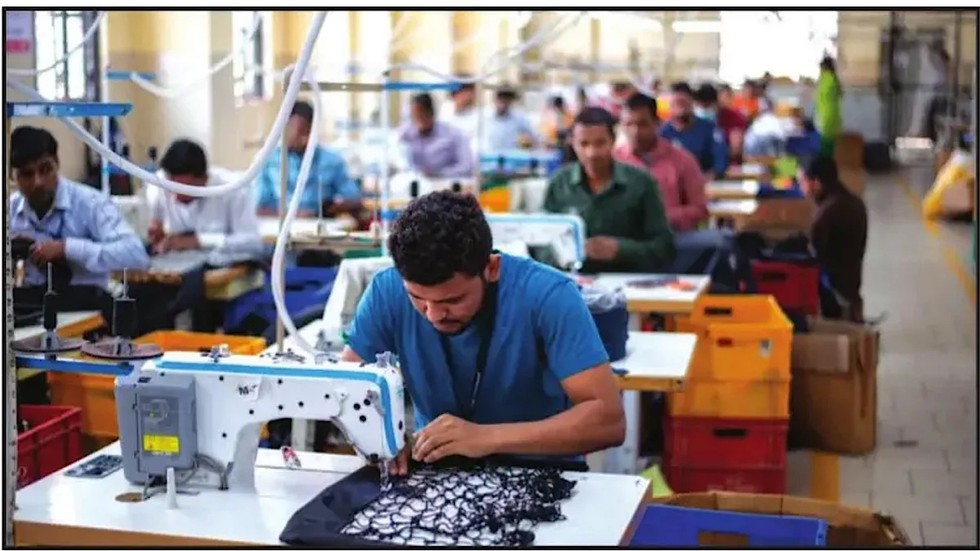
About Tex-RAMPS Scheme:
- It will be implemented as a Central Sector Scheme, fully funded by the Ministry of Textiles.
- It is designed to address critical gaps in research, data systems, and innovation support and capacity development.
- Components of Tex-RAMPS Scheme:
- Research & Innovation: It promotes advanced research in smart textiles, sustainability, process efficiency, and emerging technologies.
- Data, Analytics & Diagnostics: It creates robust data systems including employment assessments, supply chain mapping, and the India-Size study.
- Integrated Textiles Statistical System (ITSS): A real-time, integrated data and analytics platform to support structured monitoring and strategic decision-making.
- Capacity Development & Knowledge Ecosystem: It strengthens State-level planning, dissemination of best practices, capacity building workshops, and organisation of sectoral events.
- Start-up & Innovation Support: It supports for incubators, hackathons, and academia-industry collaborations to nurture high-value textile start-ups and entrepreneurship.
Prelims Pointers
Nov. 28, 2025

About International Institute for Democracy and Electoral Assistance:
- It is an inter-governmental organisation established in 1995.
- It works to strengthen democratic institutions and electoral processes worldwide.
- International IDEA has been granted UN observer status.
- Objective: To support stronger democratic institutions and processes, and more sustainable, effective and legitimate democracy.
- India is a founding member of International IDEA.
- Governance: The Institute's governance consists of a Council of Member States, a Steering Committee, a Finance and Audit Committee, a Board of Advisers and a Secretariat, led by the Secretary-General.
- Each year, the Council elects a Chair and two Vice Chairs among its Members States.
- Core Functions: Its working modalities includes four elements: knowledge production, capacity development, advocacy as well as convening of dialogues.
- It focuses on six work streams namely:
- Electoral Processes
- Constitution-Building
- Democracy Assessment
- Political Participation and Representation
- Climate Change and Democracy
- Digitalization and Democracy
- Secretariat: Stockholm, Sweden
Prelims Pointers
Nov. 28, 2025
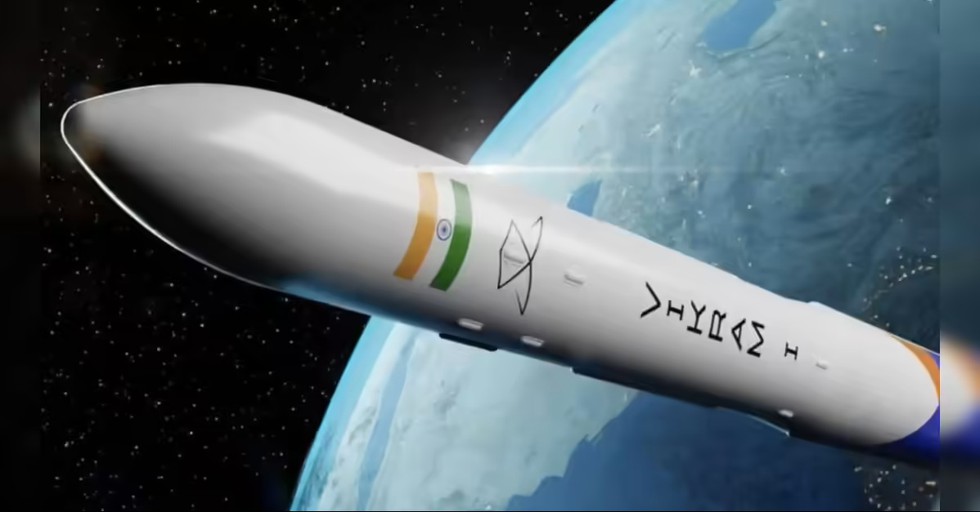
About Vikram-I Rocket:
- It is developed by Skyroot Aerospace.
- It is India’s new private orbital-class launch vehicle named after the notable space pioneer Vikram Sarabhai.
- Features of Vikram-I Rocket
- Thrust: It uses an all-carbon composite structure for enhanced lightweight strength and efficiency.
- Design: It emphasises simplicity, reliability, and the ability to launch within 24 hours from any location.
- Stages: It has four stages and the first three stages are solid-fuelled, providing robust initial thrust, topped by a hypergolic liquid upper stage for precise orbital adjustments.
- Stage 4 uses a cluster of four Raman engines. These are hypergolic engines, (meaning they ignite instantly when two chemicals, MMH fuel and NTO oxidiser, come into contact).
- It is built to target the small-satellite segment and is capable of placing multiple satellites into orbit in a single mission.
- Payload Capacity: It can deploy up to 350 kg into low Earth orbit (LEO) and 260 kg into a sun-synchronous orbit (SSO).
- Innovation: Other key innovations include 3D-printed engines, ultra-low-shock pneumatic separation systems, and advanced avionics for real-time guidance.
Prelims Pointers
Nov. 28, 2025

About Sirpur Archaeological Site:
- Location: It is located in Chhattisgarh located on the banks of river Mahanadi.
- It was the flourishing capital of Dakshina Kosala under the Panduvanshi and later Somavamshi kings.
- It was discovered by Alexander Cunningham.
- Key Features of Sirpur Archaeological Site:
- Excavations revealed temples, Buddhist and Jaina .
- Notable Structures:
- Lakshmana Temple (dedicated to Vishnu), one of India’s finest brick temples which was built around the 7th Century.
- Surang Tila complex: It is built on a high terrace and has multiple shrines in the panchayatana style (one main shrine surrounded by four subsidiary ones).
- Tivaradeva Mahavihara: It houses a significant Buddha statue.
- It was a major Buddhist centre with large viharas, meditation halls and excavated stupas.
- Archaeologists have also uncovered a 6th Century market complex, showing Sirpur was both a religious and commercial hub.
Prelims Pointers
Nov. 28, 2025

About Grey Seal:
- It is a large seal of the family Phocidae.
- It is also known as Atlantic seal and the horsehead seal.
- It is found on both shores of the North Atlantic Ocean.
- Distribution: They are found across the North Atlantic Ocean in coastal areas from mid-Atlantic to the Baltic Sea.
- Habitat: These seals spend the majority of their lives in coastal waters; when on land, they occur on rocky coasts, islands, and sandbars, as well as on ice shelves and icebergs.
- Characteristics of Grey Seals:
- Gray seals are diurnal, being active during the day and sleeping at night.
- It shows a ‘bottling’ behavior.
- These seals do not migrate but they disperse widely after the mating season.
- Diet: Gray seals are carnivores (piscivores). They feed on a wide variety of fish, mostly benthic or demersal species.
- Conservation Status: IUCN: Least Concern
Nov. 27, 2025
Prelims Pointers
Nov. 27, 2025
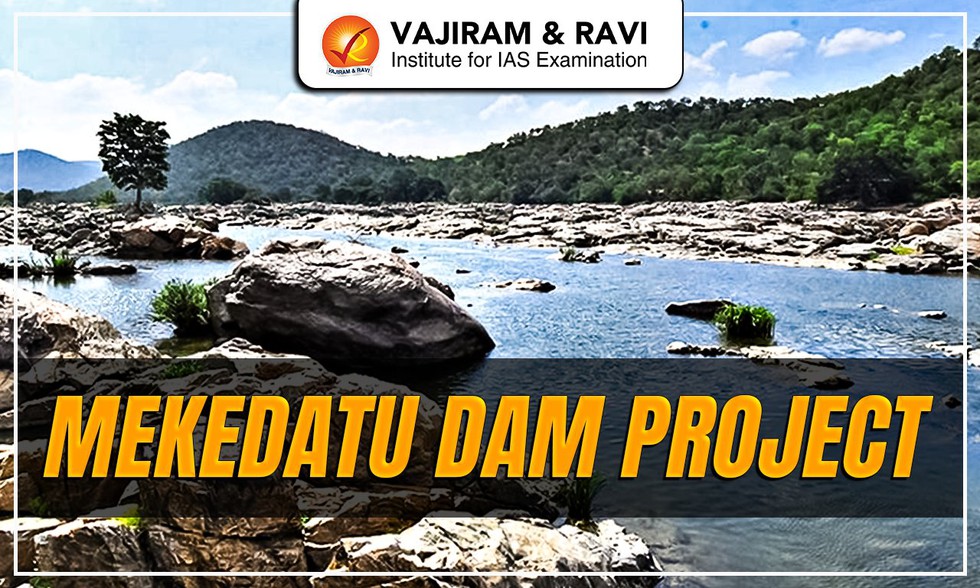
About Mekedatu Dam Project:
- It is a multi-purpose (drinking water and power) project involving the construction of a balancing reservoir near Kanakapura in the Ramanagara district, Karnataka.
- The project is proposed at the confluence of the Cauvery River with its tributary Arkavathi. It would generate 400 MW of hydroelectricity once operational.
- Issue:
- Tamil Nadu, the lower riparian state, has been opposing the project, raising apprehensions that the state would be affected if the project takes shape.
- Tamil Nadu says, Mekedatu area represents the last free point in Karnataka from where Cauvery water flows unrestricted into Tamil Nadu, and the Mekedatu dam project is an attempt by Karnataka to block this free flow of water.
Prelims Pointers
Nov. 27, 2025
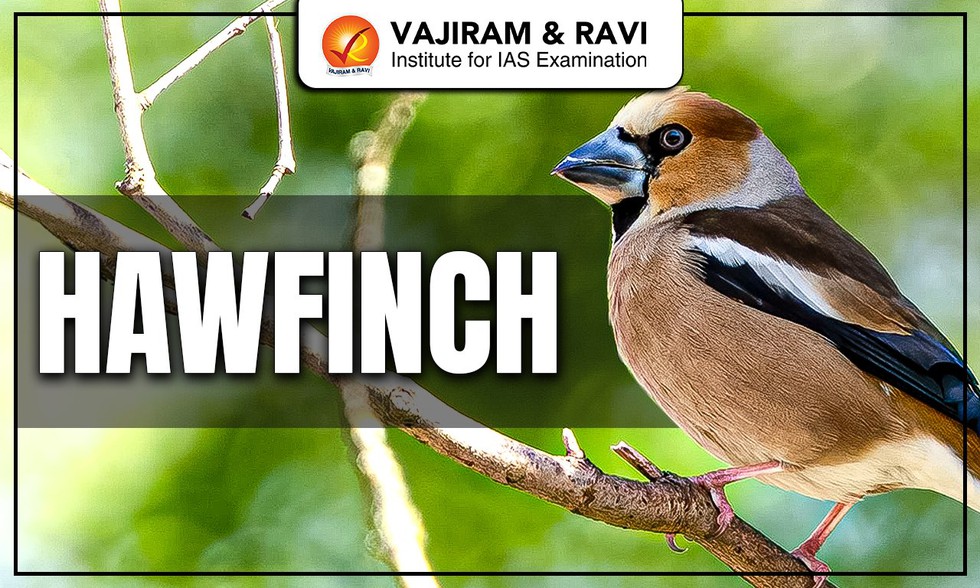
About Hawfinch:
- It is a large passerine bird native to Europe, North Africa, and East Asia.
- It is the biggest bird of the Fringillidae family.
- Scientific Name: Coccothraustes coccothraustes
- Distribution:
- Hawfinches are found across Europe, Eastern Asia (the Palearctic including North Japan), and North Africa (Morocco, Tunisia, and Algeria).
- They are mainly resident in Europe, but many Asian birds migrate further south in the winter.
- Habitat: The hawfinch frequents deciduous and mixed forests.
- Conservation Status:
- IUCN Red List: Least Concern
Key Facts about Jim Corbett National Park:
- It is located in the Nainital district of Uttarakhand.
- It is part of the larger Corbett Tiger Reserve.
- It is part of the sub-Himalayan ecosystem.
- It is India’s oldest national park.
- It was established in 1936 as Hailey National Park.
- It was later renamed in 1957 in memory of Jim Corbett, a famous hunter and conservationist who played a key role in the establishment of the park.
- Rivers:
- The eastern periphery of Corbett National Park is entirely fed by the Kosi River.
- The Ramganga River (West), along with its significant tributaries Sonanadi, Palain, and Mandal, forms the prominent hydrological resource for the Corbett.
- Flora: Almost three-quarters of the park is encompassed by deciduous forest, including peepal, rohini, and mango trees.
- Fauna: Bengal tigers, Indian elephants, leopards, sloth bears, deer.
Prelims Pointers
Nov. 27, 2025
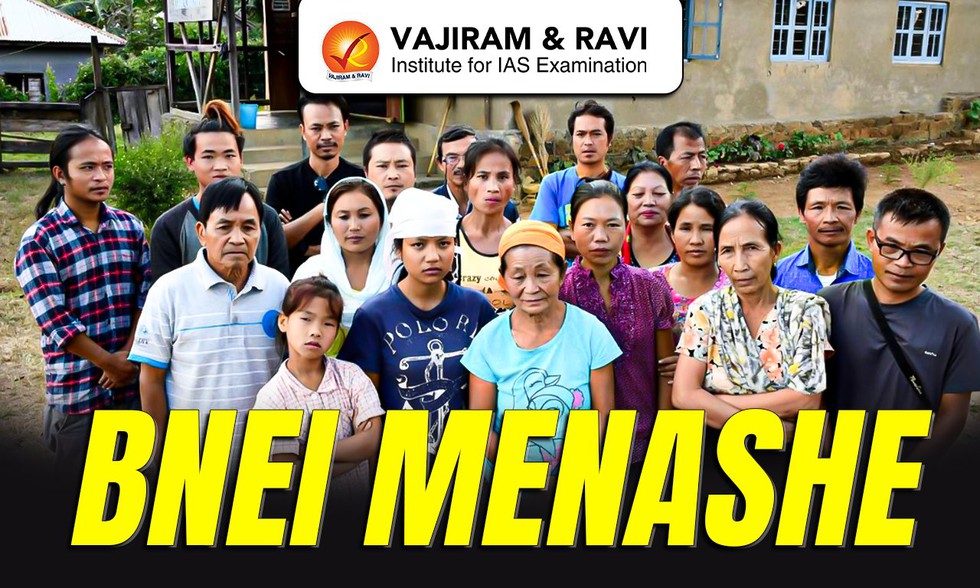
About Bnei Menashe:
- Bnei Menashe is an ethnic community that hails from the northeastern states of Mizoram and Manipur.
- They claim to be the descendants of the biblical tribe of Manasseh, considered one of the "lost tribes" of Israel.
- They are Christians converted into Jews and observe traditional Jewish practices and celebrate holidays such as Sukkot.
- Historians believe this community may have arrived in India within the last 300–500 years.
- Their ancestors were exiled long before the Roman dispersion, but they continued to practice Judaism across the generations, even if not in a contemporary Orthodox way.
- Once they came into contact with Israel and global Jewry in the 1980s, they embraced modern Jewish learning and practice.
- Nearly half of the 'Bnei Menashe' population migrated to Israel over a period of time and became its citizens.
- According to the recent Israeli Government plan, approximately 1,200 community members are expected to immigrate to Israel by the end of 2026.
- A second stage, slated for completion by 2030, will bring an additional people, effectively completing the arrival of the entire community.
Prelims Pointers
Nov. 27, 2025
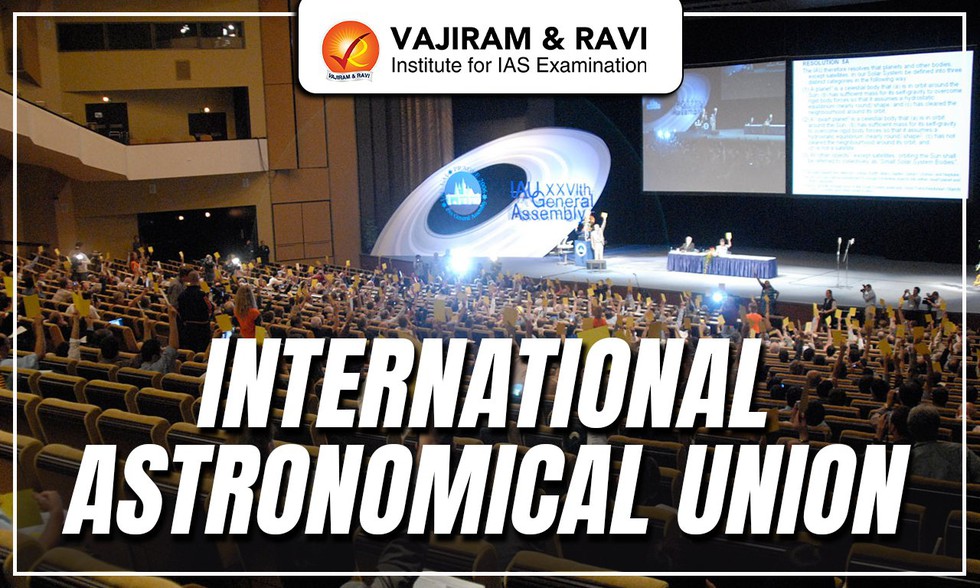
About International Astronomical Union (IAU)
- It was founded in 1919 as a senior body governing international professional astronomical activities worldwide.
- Its mission is to promote and safeguard the science of astronomy in all its aspects, including research, communication, education, and development, through international cooperation.
- Activities:
- Definition of fundamental astronomical and dynamical constants and unambiguous astronomical nomenclature
- Rapid dissemination of new discoveries
- Organization of international observing campaigns
- Promotion of educational activities in astronomy to early informal discussions of possible future international large-scale facilities.
- It is the only organization recognized professionally for the naming of astronomical bodies, which it does solely on the basis of merit, history, or discoverer’s privilege.
- The IAU holds a General Assembly every three years in varying parts of the world. The long-term policy of the IAU is defined by the General Assembly.
- Headquarters: Paris, France.
- Membership:
- Its individual Members — structured into Divisions, Commissions, and Working Groups — are professional astronomers from all over the world, at the Ph.D. level and beyond, who are active in professional research, education and outreach in astronomy.
Prelims Pointers
Nov. 27, 2025

About Euthanasia:
- The word ‘Euthanasia’ is derived from the Greek, ‘Eu’ meaning ‘good’ and ‘thanatos’ meaning ‘death’, put together it means ‘good death’.
- Euthanasia is defined as the hastening of death of a patient to prevent further sufferings.
- Types:
- Active euthanasia refers to the physician's deliberate act, usually the administration of lethal drugs, to end an incurably or terminally ill patient’s life.
- There are three types of active euthanasia in relation to giving consent for euthanasia, namely
- voluntary euthanasia – at patient request,
- non-voluntary – without patient consent,
- involuntary euthanasia – the patient is not in a position to give consent.
- Passive euthanasia refers to withholding or withdrawing treatment which is necessary for maintaining life.
- Common conditions which make patients seek euthanasia are terminally ill cancer patients, acquired immune deficiency syndrome (AIDS), and other terminally ill conditions where there is no active treatment.
- Legality:
- Passive euthanasia is generally accepted worldwide.
- Active involuntary euthanasia is illegal in almost all countries. It is considered criminal homicide in most of the countries.
- Legality in India:
- Passive Euthanasia:
- A five-judge bench of the Supreme Court in Common Cause vs. Union of India (2018) recognised a person’s right to die with dignity.
- It said that a terminally ill person can opt for passive euthanasia and execute a living will to refuse medical treatment.
- The Court permitted an individual to draft a living will specifying that she or he will not be put on life support if they slip into an incurable coma.
- The Court recognised the right to die with dignity as a fundamental right and an aspect of Article 21 (Right to Life).
- Active euthanasia: In India, active euthanasia is a crime.
- Passive Euthanasia:
What is Quadriplegia?
- Quadriplegia, or Tetraplegia, is a condition of paralysis that affects all the limbs and body from the neck to the down.
- The most common cause of quadriplegia is an injury to the spinal cord at the level of the neck.
- Quadriplegia is sometimes treatable, but in most cases injury results in permanent paralysis.
- Quadriplegia is when the person can’t deliberately control or move his muscles, and it can affect a person from the neck to down.
- Depending on how and why it happens, it can affect the ability to move parts of the body, as well as some of the body’s automatic processes that keep the person alive.
Prelims Pointers
Nov. 27, 2025
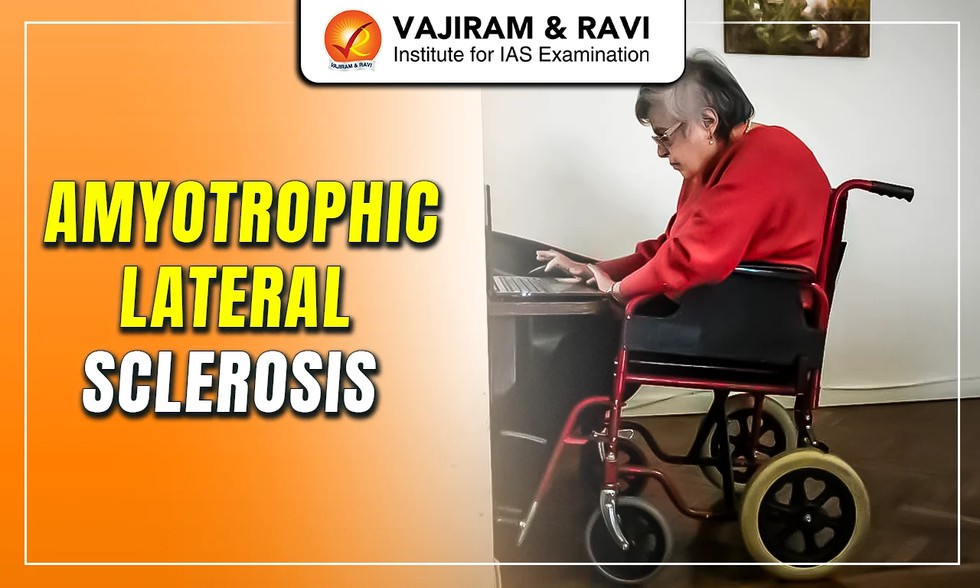
About Amyotrophic Lateral Sclerosis:
- It is also known as Lou Gehrig’s disease. It is a progressive neurological disorder that affects muscle movement.
- It can occur at any age but symptoms commonly develop between the age of 55 and 75. The men are more likely to develop the condition.
- Causes: In few people with ALS, a genetic cause can be identified.
- How does ALS affect the body?
- In people with ALS, the motor neurons degenerate and die and messages sent by the brain do not reach the muscles which results into muscles atrophy (lose strength and become weak).
- Eventually, the brain loses control over voluntary movements including walking, chewing and even breathing, as the condition progresses.
- Symptoms and progression of ALS:
- It includes muscle twitches in the arms, leg, shoulders or tongue; muscle cramps;
- Tightness or stiffness of muscles; muscle weakness in a limb or the neck; and difficulty in chewing or swallowing.
- Treatment for Amyotrophic Lateral Sclerosis:
- There is no treatment to reverse nerve degeneration, but some therapy may help to delay progression.
- A treatment would include physical, occupational and speech therapy to improve quality of life.
- There is no treatment to reverse nerve degeneration, but some therapy may help to delay progression.
Prelims Pointers
Nov. 27, 2025
About Entrepreneur-in-Residence Programme:
- It is one of the programs introduced under National Initiative for Developing and Harnessing Innovations (NIDHI).
- It aims to encourage graduates to take to entrepreneurship as a prospective career option by providing financial and non-financial support in the form of a fellowship.
- Features of Entrepreneur-in-Residence (EIR) Programme
- Financial Support: Recipient is eligible to get financial support of up to INR 30,000/- monthly.
- It is offered to graduate students for a maximum period of 12 months.
- The Programme includes access to the infrastructure facilities at the TBI, mentoring support and guidance, technical and financial advice, industry connections.
- Implementation: It is implemented by the Department of Science and Technology, Government of India in association with NCL Venture Centre, Pune.
What is NIDHI Programme ?
- National Initiative for Developing and Harnessing Innovations (NIDHI) as an umbrella programme for nurturing ideas and innovations (knowledge-based and technology-driven) into successful startups.
Prelims Pointers
Nov. 27, 2025
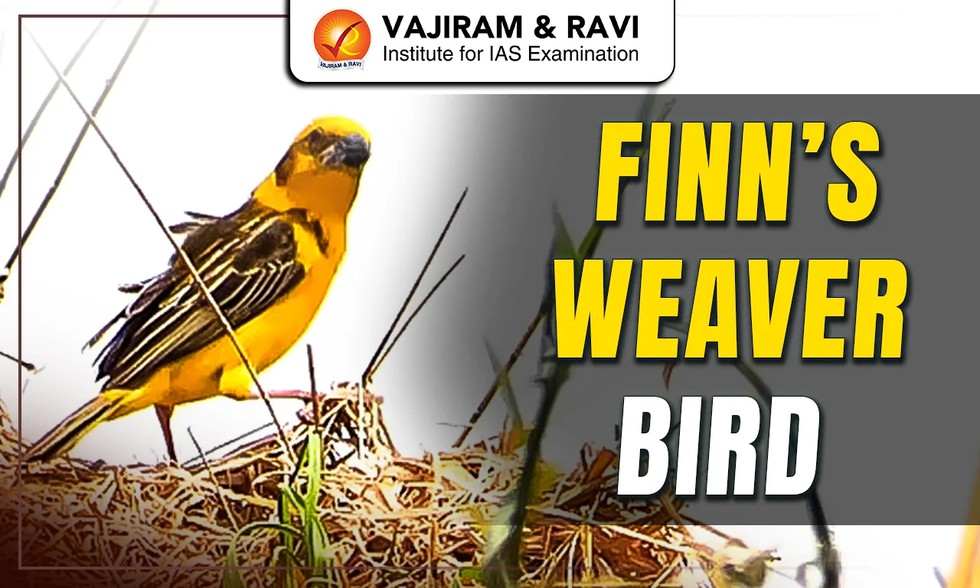
About Finn’s Weaver Bird:
- Finn's weaver (Ploceus megarhynchus ) are also known as Finn's baya and yellow weaver is a weaver bird species.
- Distribution: It is native to the Ganges and Brahmaputra valleys in India and Nepal.
- Habitat: They live close to water bodies. Marshy soil, tall grasses, Semal (silk cotton) and Shisham (rosewood) trees make up their natural habitat.
- Diet: They are largely granivorous.
- Threats: Human activities including expansion of agriculture, grass cutting, construction work, residential buildings, and increase in industrial units across the Terai has disrupted the natural habitat of these birds.
- Conservation Status:
- IUCN: Vulnerable
- WildLife (Protection) Act, 1972: Schedule IV.
Prelims Pointers
Nov. 27, 2025
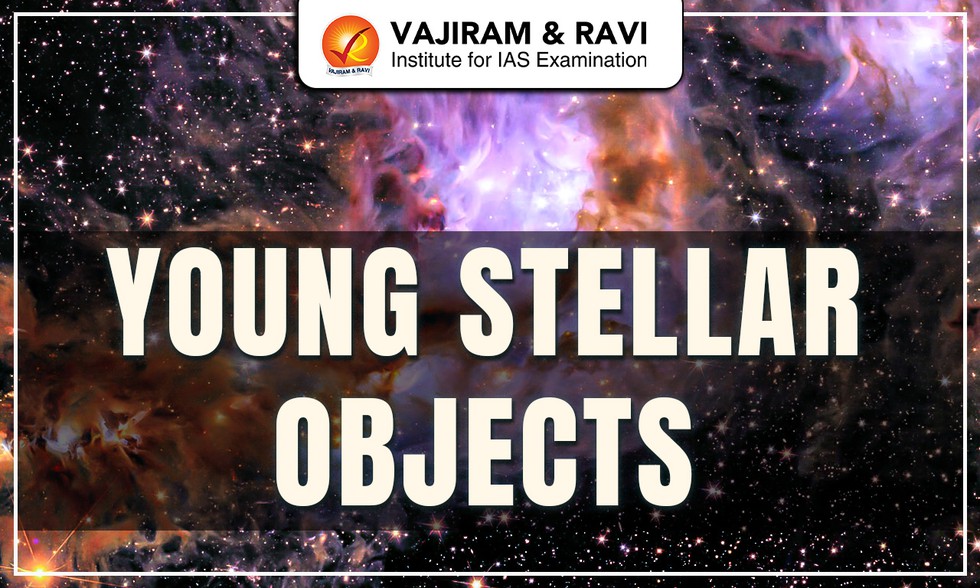
About Young Stellar Objects:
- These are stars in the earliest stages of their lives where stars stably fuse hydrogen in their cores.
- This is the stage before the stars enter the main sequence of what is called the Hertzsprung-Russell diagram (a plot showing stars in various stages of evolution based on their temperature and brightness).
- These objects typically reside within dense molecular clouds rich in gas and interstellar material.
- Formation: YSOs form from the collapse of dense molecular clouds, triggered by events like nearby supernova explosions, stellar radiation, or turbulence in the interstellar medium.
- Types: There are two principal kinds of YSOs: Protostars and Pre-main sequence stars.
- Stages of Young Stellar Objects:
- Class 0 and Class I phases: These are mostly visible in infrared and radio wavelengths due to their thick dust envelopes.
- Class II and Class III: In this phase object becomes visible in optical wavelengths as it clears away its surrounding envelope.
- Significance of studying Observing YSOs :
- Understanding Star Formation: They provide Insights into the processes that lead to star formation, including magnetic activity, stellar winds, and outflows.
- Planet Formation: They help in understanding the conditions that lead to planet formation and the early solar system.
Prelims Pointers
Nov. 27, 2025

About Scheme to Promote Manufacturing of Sintered Rare Earth Permanent Magnets:
- It aims to establish 6,000 Metric Tons per Annum (MTPA) of integrated Rare Earth Permanent Magnet (REPM) manufacturing in India.
- It will support the creation of integrated REPM manufacturing facilities, involving conversion of rare earth oxides to metals, metals to alloys, and alloys to finished REPMs.
- Features of Scheme to Promote Manufacturing of Sintered Rare Earth Permanent Magnets:
- Duration: 7 years (2 years for setting up an integrated REPM manufacturing facility + 5 years incentive disbursement on the sale of REPM.)
- With this initiative, India will establish its first ever integrated REPM manufacturing facilities in India.
What are Rare Earth Magnets?
- These are a type of permanent magnet made from alloys of rare earth elements.
- Properties: Exceptional magnetic strength, high energy density, and superior performance compared to other types of magnets.
- Types: Neodymium (Nd-Fe-B) and Samarium Cobalt (SmCo) are the two most common types of rare earth magnet materials. Both types are extremely strong.
- Neo magnets are composed primarily of neodymium, boron and iron, and samarium cobalt is composed of samarium and cobalt.
- Applications: These are used in electric vehicles, renewable energy, electronics, aerospace, and defence applications.