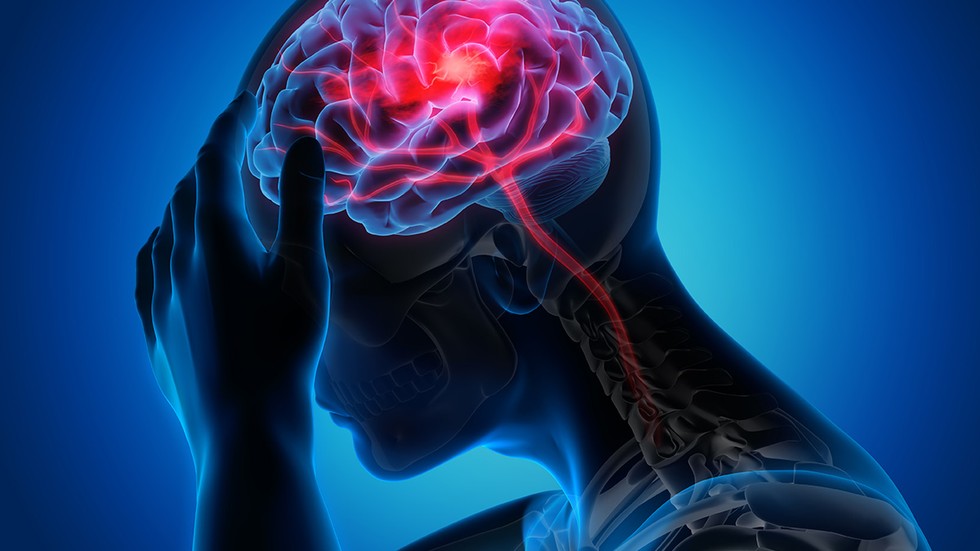
The World Health Assembly (WHA) recently passed the first-ever resolution on strokes, urging member states to recognise the medical condition as a public health priority.
About Stroke:
It is a medical emergency that occurs when blood flow to the brain is interrupted, either due to a blockage or bleeding.
This lack of blood flow can lead to brain cell death and serious complications.
A stroke can cause lasting brain damage, long-term disability, or even death.
The types of strokes are:
Ischaemic stroke: A blood clot blocks a blood vessel in your brain, leading to loss of blood flow.
Haemorrhagic stroke: Intracerebral haemorrhage (ICH) by rupture of a blood vessel in the brain leading to bleeding.
Transient ischaemic attack (TIA): A short period of symptoms similar to those of a stroke, caused by a brief blockage of blood flow to the brain. A TIA usually lasts only a few minutes and doesn't cause long-term damage.
Most of the stroke burden is attributable to 10 modifiable risk factors, including high blood pressure, air pollution, smoking, high LDL cholesterol, diet high in sodium, high fasting blood glucose, kidney dysfunction, excess body weight, physical inactivity, and harmful use of alcohol.
Non‑modifiable risk factors are:
Age
A prior stroke
Pre-existing cardiac conditions (e.g., atrial fibrillation and heart failure) and chronic kidney disease.
The symptoms of a stroke often happen quickly. They include:
Sudden numbness or weakness of the face, arm, or leg (especially on one side of the body).
Sudden confusion, trouble speaking, or understanding speech.
Sudden trouble seeing in one or both eyes.
Sudden difficulty walking, dizziness, loss of balance, or coordination.
Sudden severe headache with no known cause.
Treatment:
Treatments for stroke include medicines, surgery, and rehabilitation.
Prevention of another stroke is also important, since having a stroke increases the risk of getting another one.
Prevention may include heart-healthy lifestyle changes and medicines.
Dear Student,
You have still not entered your mailing address. Please enter the address where all the study materials will be sent to you. (If applicable).